
Resources for Understanding Nuclear Issues
From Confessions of a Nuclear War Planner to Things That Go Boom, the Corporation’s Sharon Weiner and Samara Shaz curate a list of recommended sources for learning more about the nuclear issues of our times
Sep 5, 2023
Nuclear weapons policy has assumed a new urgency in recent years. Government leaders and policymakers are dealing with nuclear modernization projects, the war in Ukraine, nonproliferation efforts, and constantly evolving global dynamics. This makes it is a good time to learn more about nuclear issues as a whole.
At Carnegie Corporation of New York, many of our grantees are dedicated to reducing nuclear dangers and disseminating knowledge about these realities through research, data-driven analysis, educational initiatives, interactive hubs, and more. Here we outline some of their work, along with other resources for those who might be interested in expanding their knowledge of nuclear issues.
READ:
- For an engaging introduction to U.S. nuclear weapons, look to Daniel Ellsberg’s The Doomsday Machine: Confessions of a Nuclear War Planner (Bloomsbury, 2017) and Eric Schlosser’s Command and Control (Penguin, 2014).
- Richard Rhodes’s The Making of the Atomic Bomb (Simon & Schuster, 1986) demystifies the technical aspects of nuclear issues and is rooted in human dilemmas.
- Spencer R. Weart’s Nuclear Fear: A History of Images (Harvard University Press, 1989) provides insights into the mindset that shapes nuclear systems.
- For a discussion of how to reduce nuclear dangers, read the 1991 Daedalus article “Arms Control in a Revolutionary Future: Europe” by Catherine Kelleher, founding president of Women in International Security.
ONLINE RESOURCE HUBS:
- The Arms Control Association, the Nuclear Threat Initiative (NTI), and the Carnegie Endowment for International Peace are all nongovernmental organizations that frequently publish on nuclear issues.
- MIT’s Laboratory for Nuclear Security and Policy looks at technical support for nuclear diplomacy.
- Princeton University’s Program on Science and Global Security focuses on scientific, technical, and policy research, as well as on analysis and outreach to advance policies for a safer and more peaceful world.
- Harvard’s Managing the Atom, the Bulletin of the Atomic Scientists (including the Bulletin’s Doomsday Clock, which tracks our proximity to global catastrophe), and the Federation of American Scientists’ Nuclear Notebook provide additional perspectives on the nuclear issues of our times.
LISTEN AND WATCH:
- The podcast Things That Go Boom, hosted by Laicie Heeley, explores “the ins, outs, and whathaveyous of what keeps us safe.”
- At the Brink highlights stories about nuclear weapons and their history.
- A 2018 TEDx talk by atmospheric scientist Brian Toon focuses on the destruction of nuclear war, even a small one.
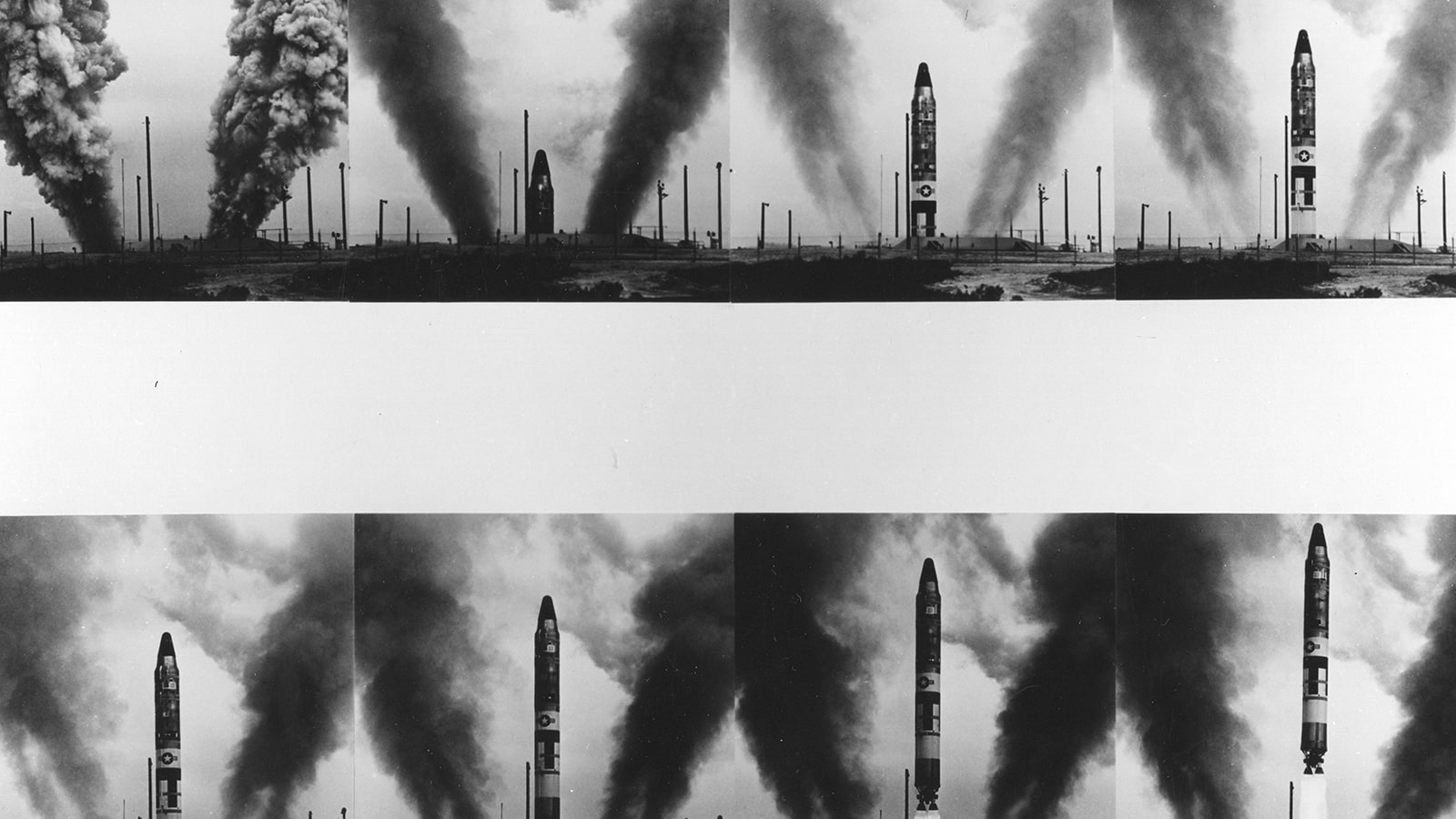
- The movie version of Command and Control focuses on a deadly accident at a Titan II missile complex in Damascus, Arkansas, in 1980.
HISTORICAL CONTEXT:
- For a description of the effects of the bombing of Hiroshima, see John Hersey’s dispatch published in the New Yorker in August 1946.
- For a wealth of historical records, check out the National Security Archive’s Nuclear Vault or the Atomic Archive.
INTERACTIVE SOURCES:
- Highly Nriched shares accessible, high-quality, and diverse educational materials on the threat of nuclear weapons.
- NTI provides an interactive timeline of the Non-Proliferation Treaty.
- Alex Wellerstein’s interactive NUKEMAP, an online nuclear effects simulator, allows you to explore the impact of a nuclear explosion near you.
Sharon K. Weiner is a senior resident fellow in the International Peace and Security program at Carnegie Corporation of New York and an associate professor at American University’s School of International Service. Her teaching, research, and policy engagement are at the intersection of organizational politics and U.S. national security. Her work also focuses on civil-military relations and nuclear weapons programs and nonproliferation. Samara Shaz is a program assistant for the International Peace and Security program. Previously, she was a research assistant at MIT’s Security Studies Program, investigating the salience of nuclear weapons in American politics.