
Our History
Established in 1911, our foundation is one of the oldest and most influential of American grantmaking foundations.
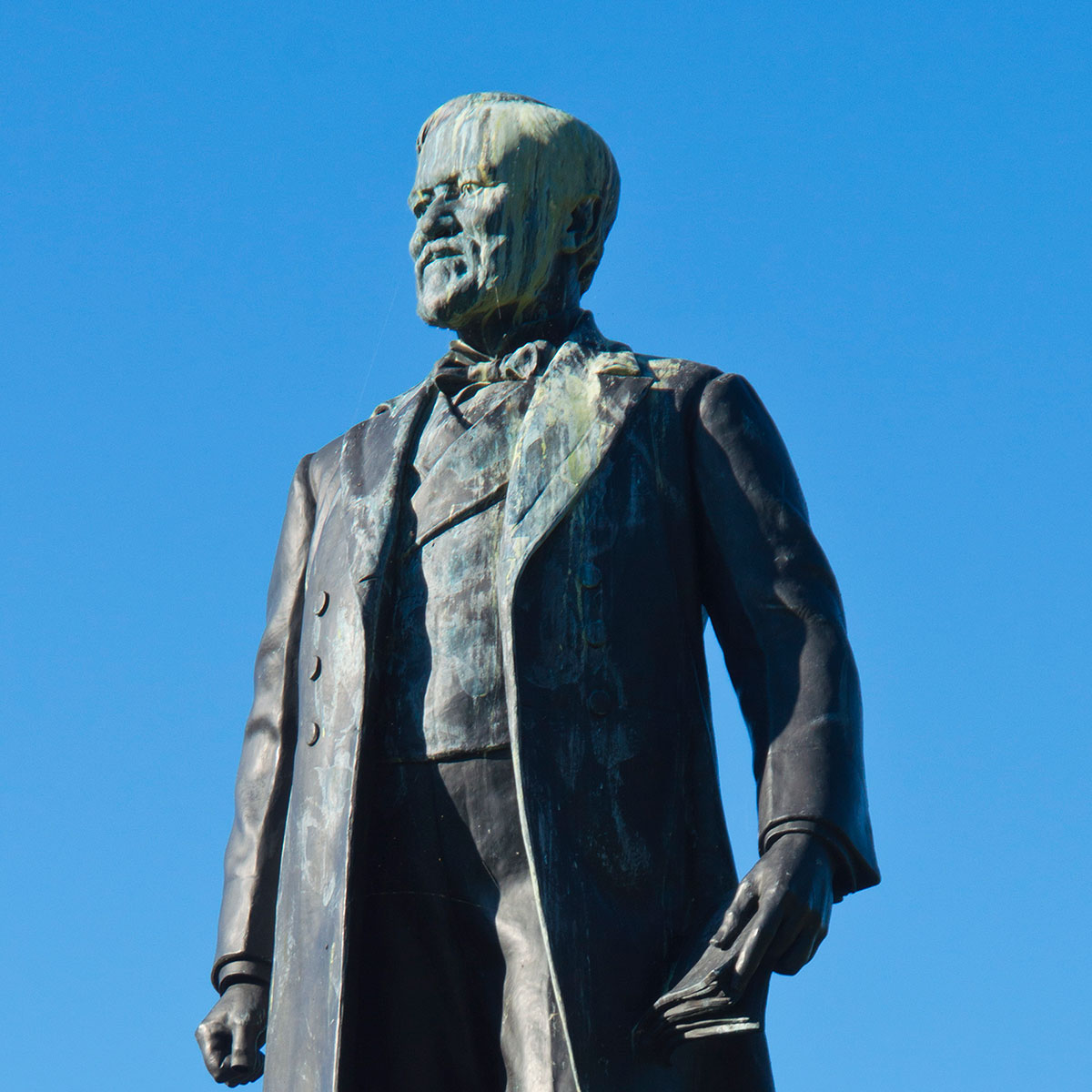
‘To Do Real and Permanent Good in This World’
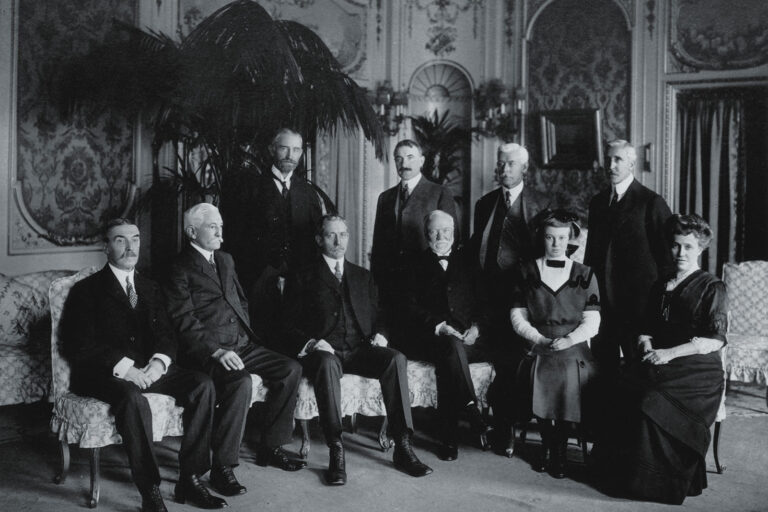
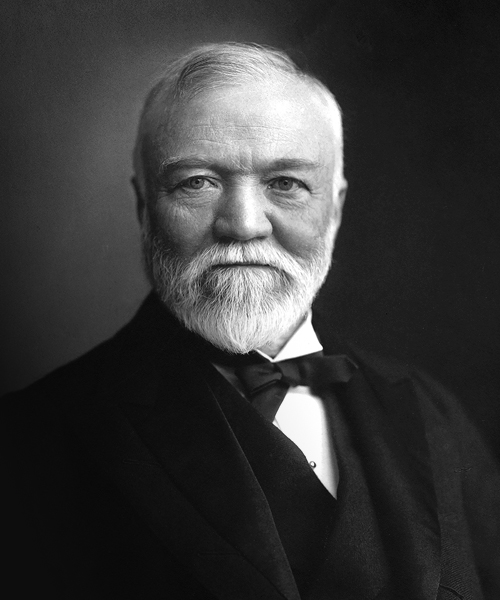
The Andrew Carnegie Foundation was founded by Andrew Carnegie in 1911 as Carnegie Corporation of New York. The foundation was the last of more than twenty organizations Carnegie created in the United States and abroad. One of the oldest and most influential of American grantmaking foundations, the philanthropy changed its name to the Andrew Carnegie Foundation in 2026.
In his 1889 essay “The Gospel of Wealth,” Carnegie described the necessity and challenges of trying “to do real and permanent good in this world.” By 1911, Carnegie had endowed five organizations in the United States and three in the United Kingdom, and had given away more than $43 million for public library buildings and close to $110 million for other purposes. On the advice of Elihu Root, the Nobel Peace Laureate and long-time friend and legal adviser, Carnegie established a trust to which he transferred the bulk of his remaining fortune to be given away during his lifetime, and endowed it with the responsibility to distribute his wealth after his death.
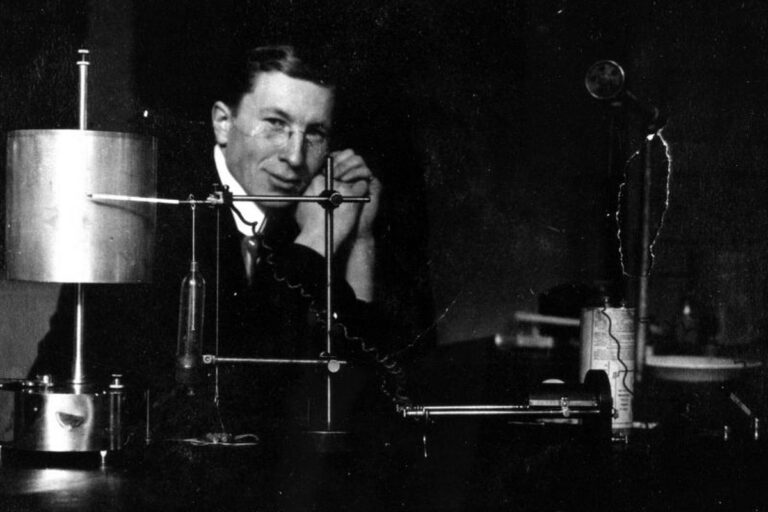
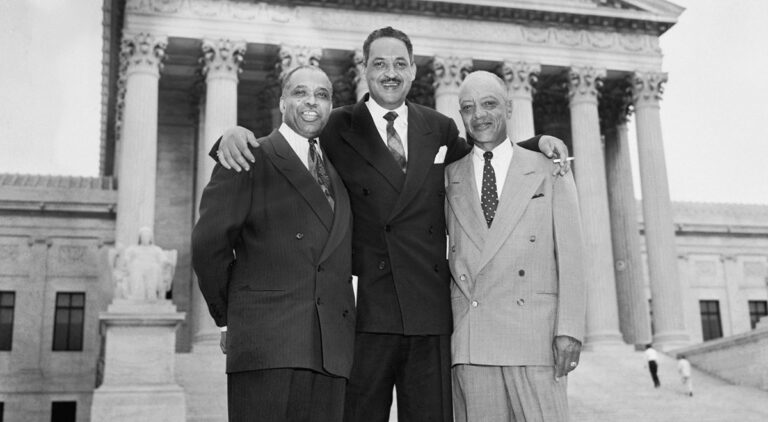
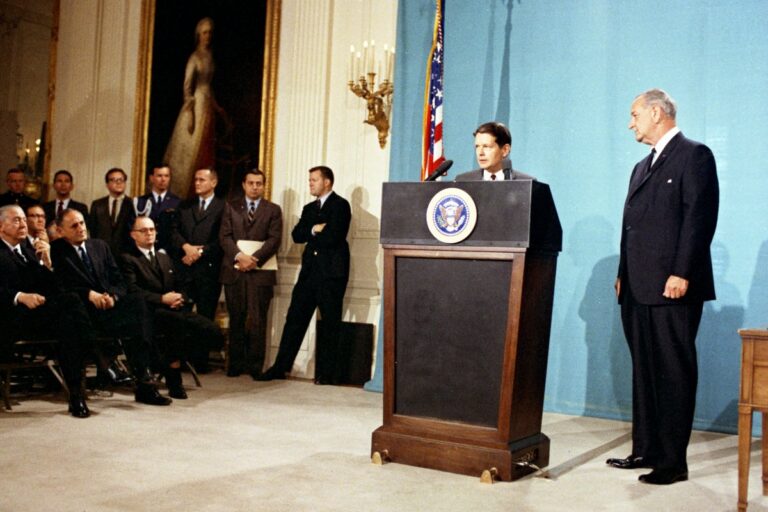
By 1912, Carnegie had given the foundation $125 million, making it the largest single philanthropic trust ever established up to that time. Carnegie’s fortune has since supported everything from the discovery of insulin and the dismantling of nuclear weapons to the creation of Pell Grants and Sesame Street. For more than a century, Carnegie’s commitment to “real and permanent good in this world” has improved the lives of millions of people.
A Legacy of Grantmaking