
Libraries
Carnegie has been one of the largest philanthropic funders of free public libraries. Andrew Carnegie saw them as the best gift that one could give to a community.
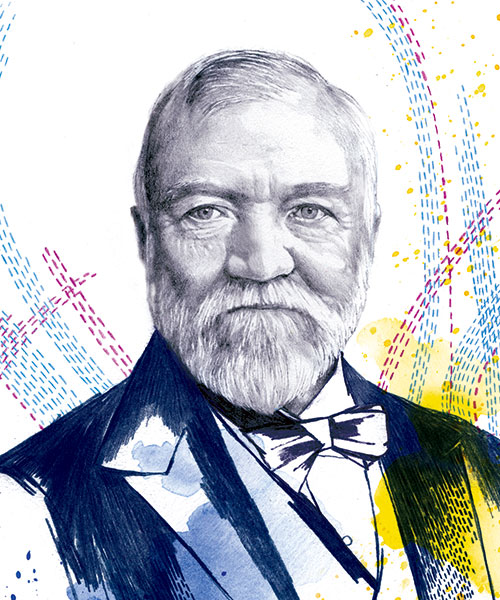
“There is not such a cradle of democracy on earth as the free public library.”
Andrew Carnegie
Founder

Carnegie’s Support for Libraries Today
From the early construction of nearly 1,700 libraries across America to helping establish the endowment of the American Library Association, funding the nation’s first graduate library school, and digitizing collections around the world, the Andrew Carnegie Foundation has been one of the largest philanthropic funders of libraries. We support libraries as sources of knowledge and understanding and as public institutions that strengthen social cohesion in our communities, help reduce political polarization, and provide access to the fact-based information and skills needed for civic participation and upward mobility.
Read all library stories.
Find Your Carnegie Library
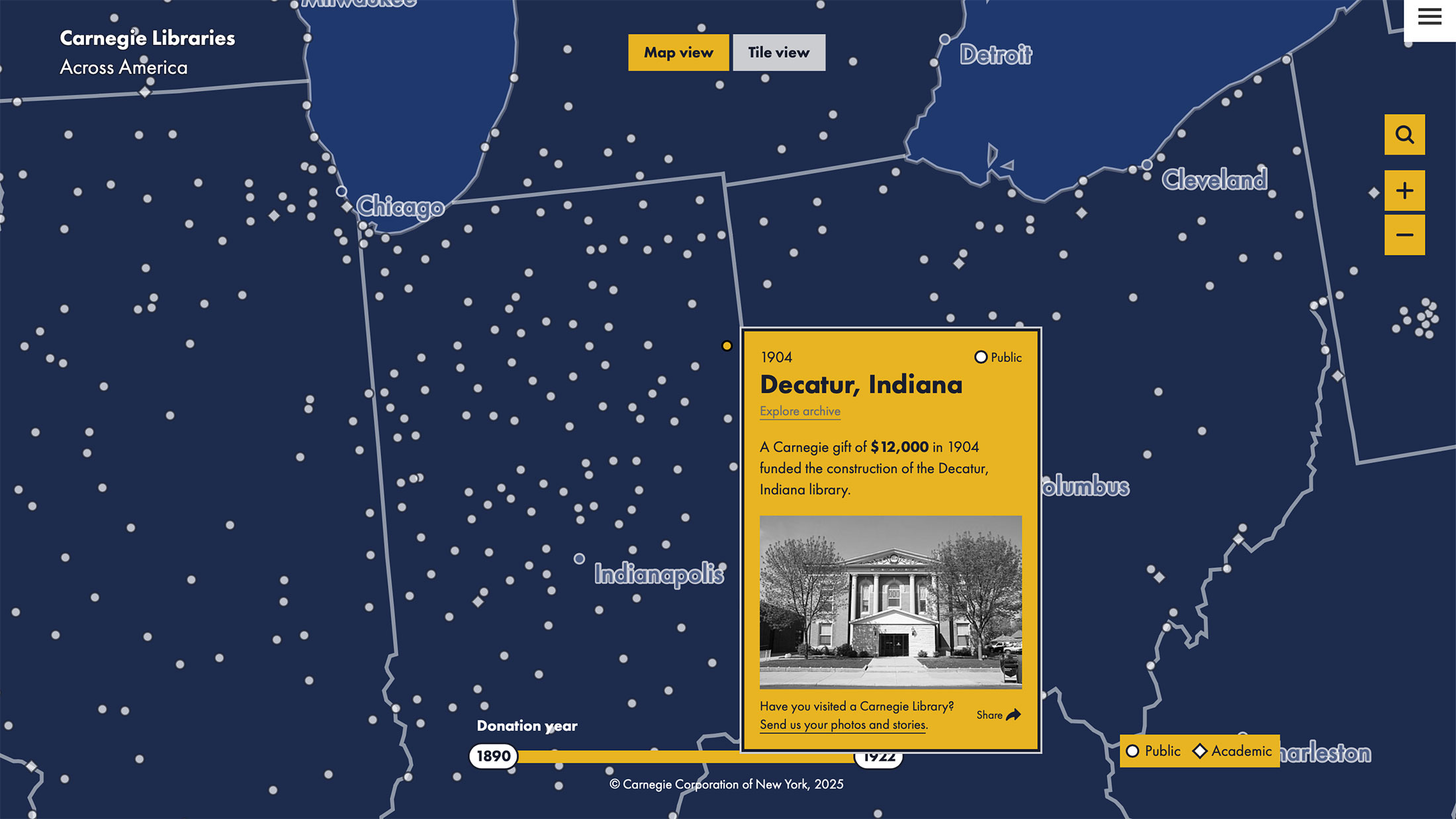
Carnegie Libraries hold a special place in American history and in the hearts of generations of Americans. Use our interactive map, based on historical records, to learn about the nearly 1,700 public libraries Andrew Carnegie built in the United States, and find materials from Carnegie’s archives for each location.
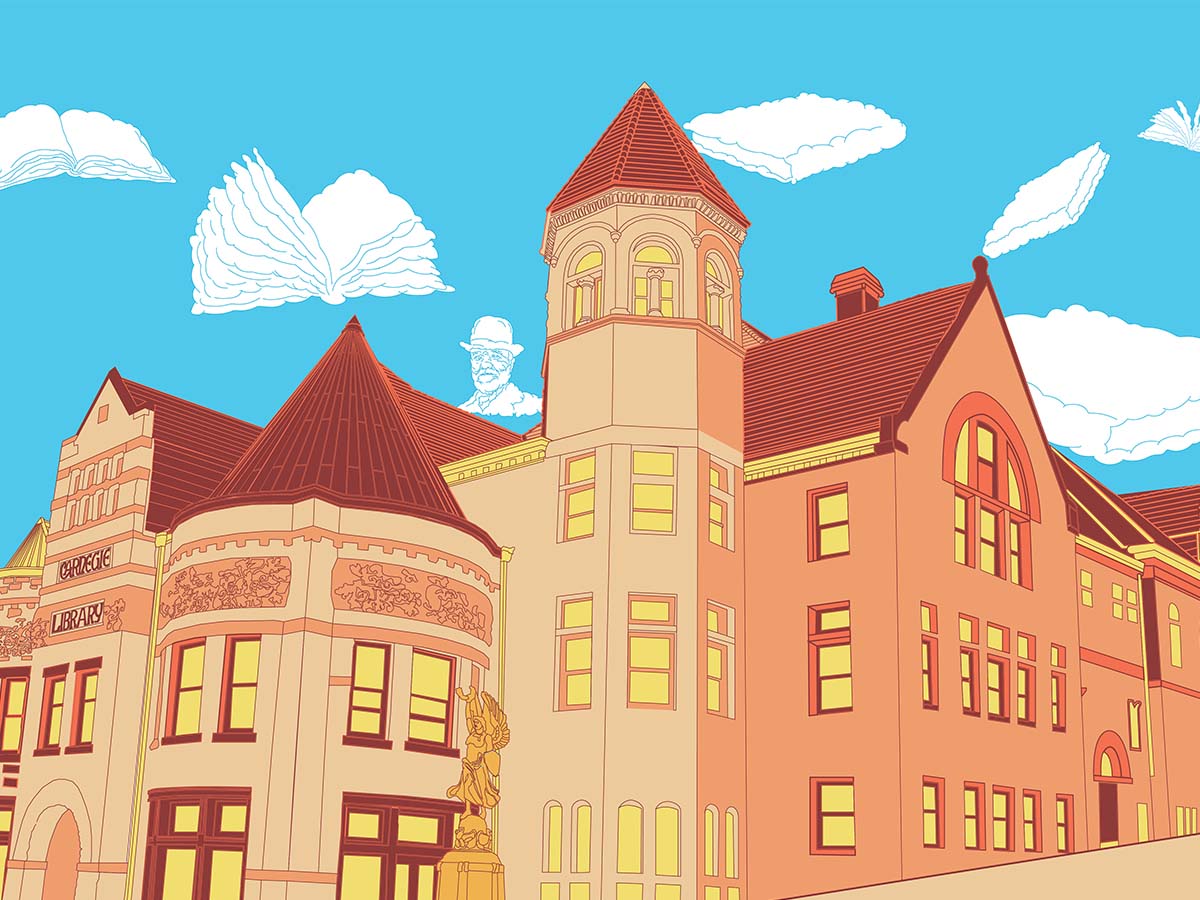
Carnegie Libraries Crossword Puzzle
Artist Tommy Mishima gamifies one of Andrew Carnegie’s most influential acts of philanthropy
Discover Carnegie Library Stories
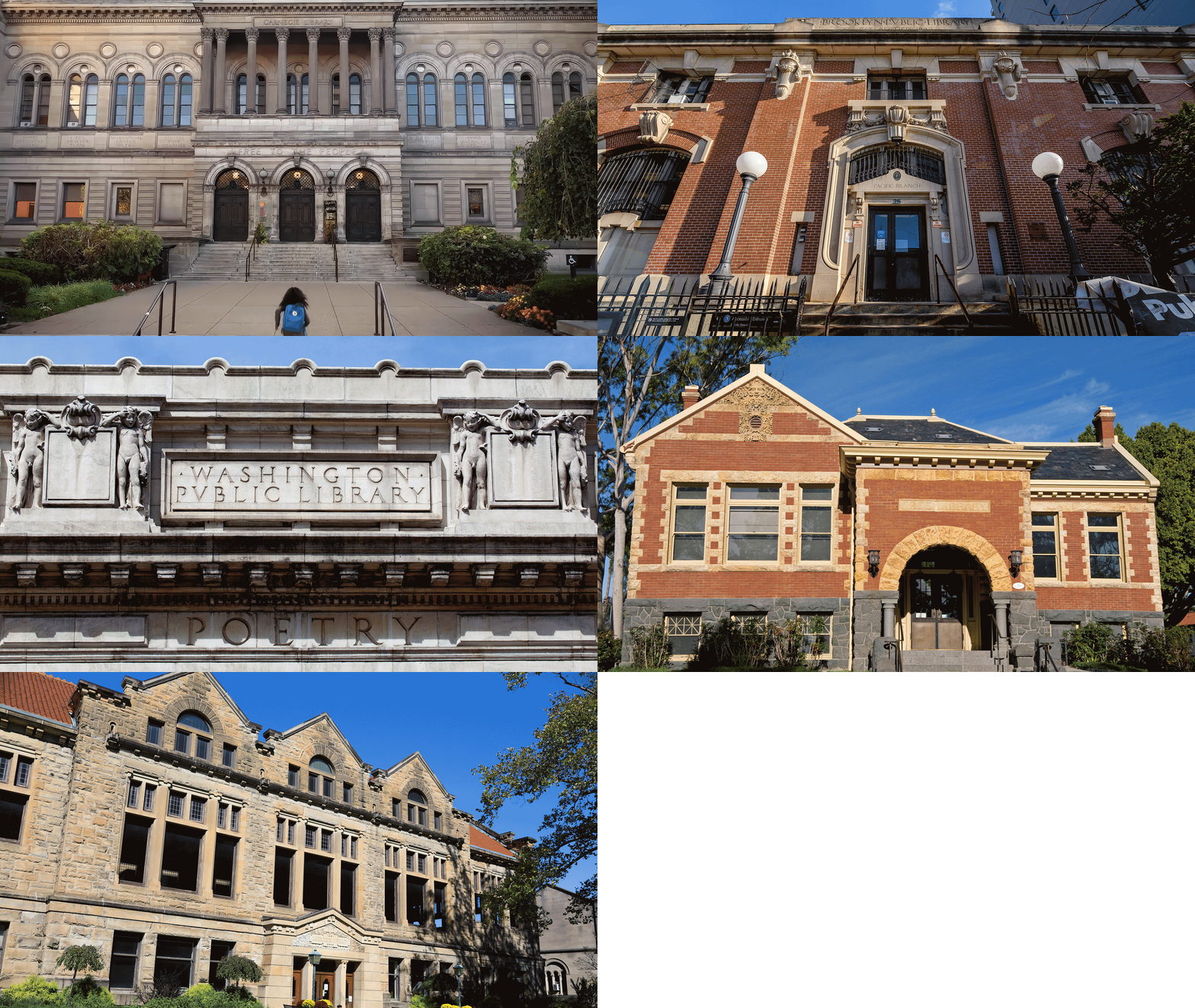
In 2026, the foundation gave $10,000 gifts to the more than 1,350 Carnegie Libraries still in operation in the United States as part of Carnegie Libraries 250, a special initiative commemorating the 250th anniversary of the Declaration of Independence. See how Carnegie Libraries are using the funds, and submit your own photographs and personal stories about the Carnegie Libraries you have visited.
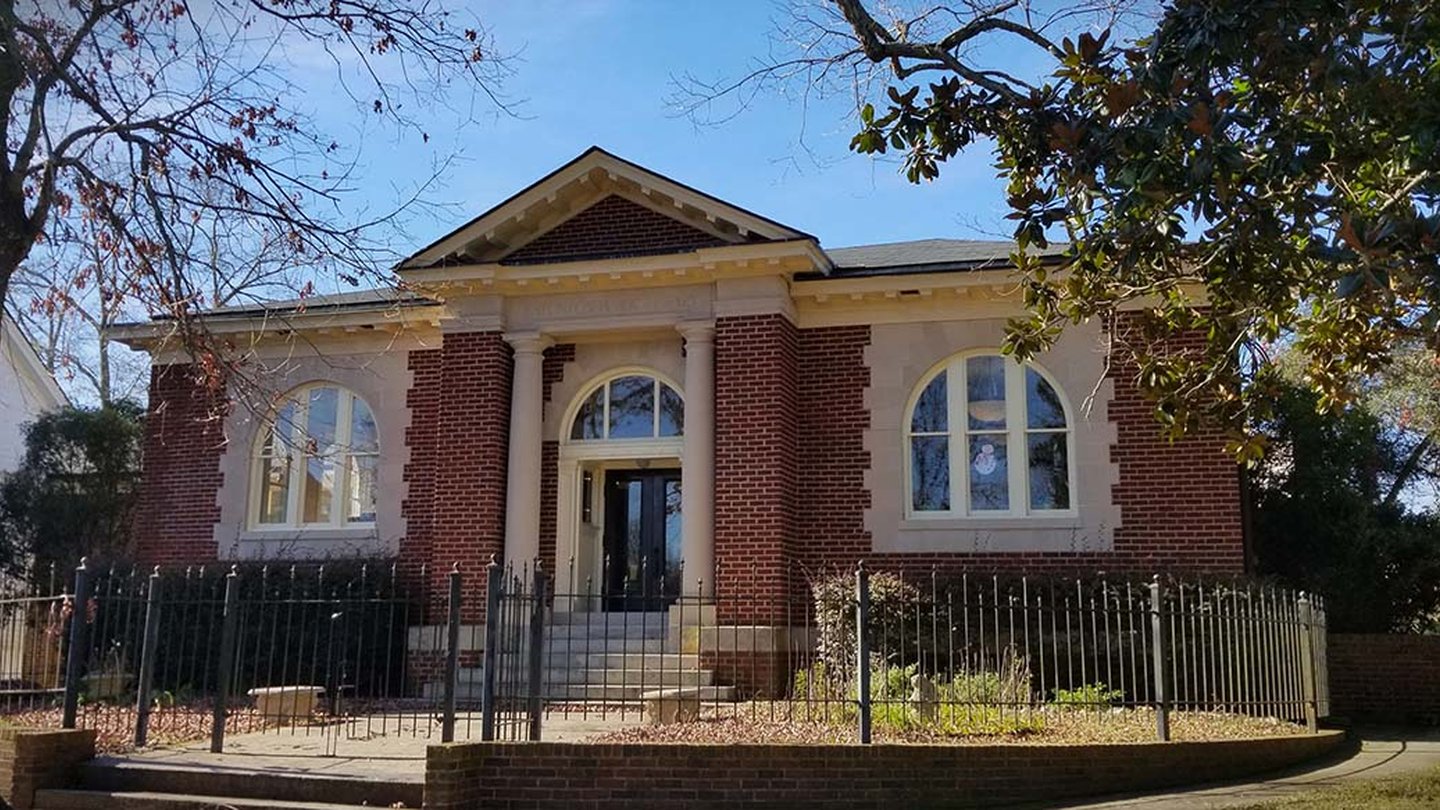
The Next Generation of Writers Finds Inspiration at a Carnegie Library in Rural Georgia
The Eatonton-Putnam County Library started as a one-room branch. Nearly 110 years later, its building and mission continue to grow
Read More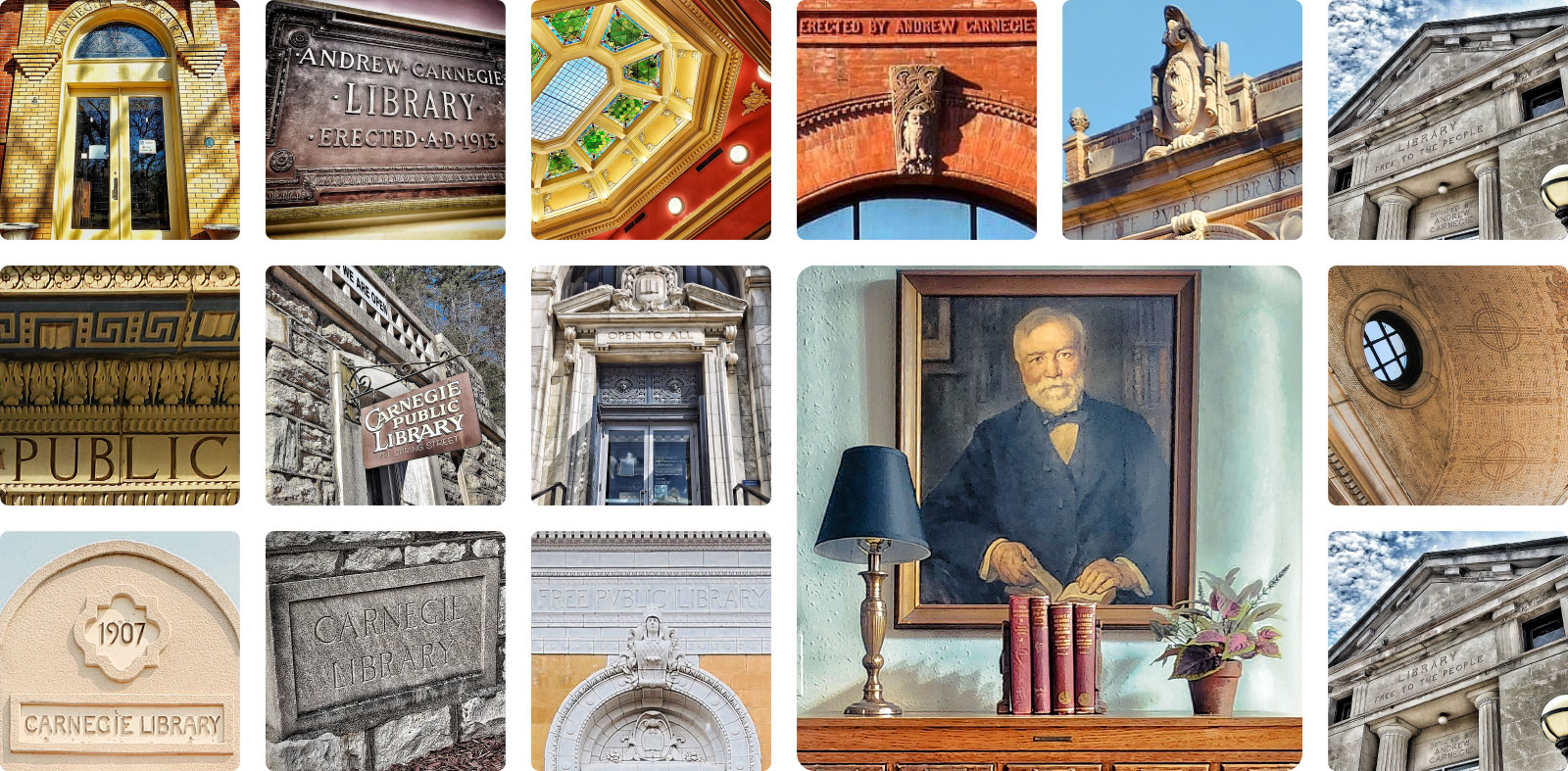
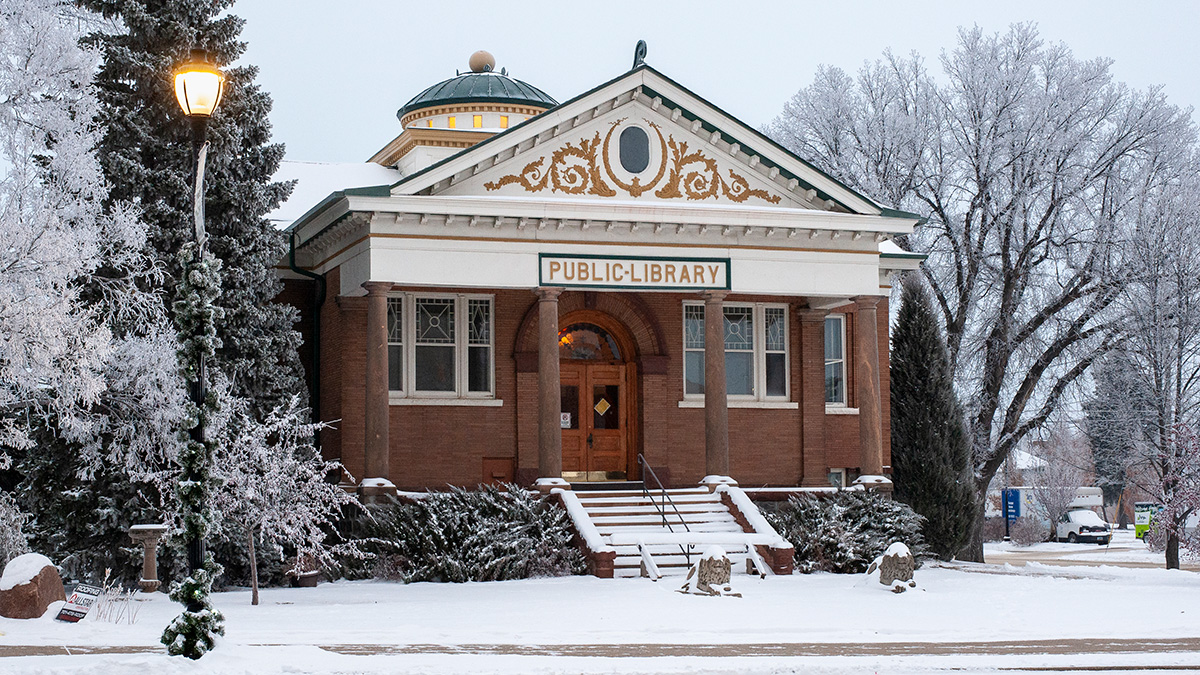
In a Snowy North Dakota Town, Bake Sales and Raffles Provide a Restored Dome for a Carnegie Library
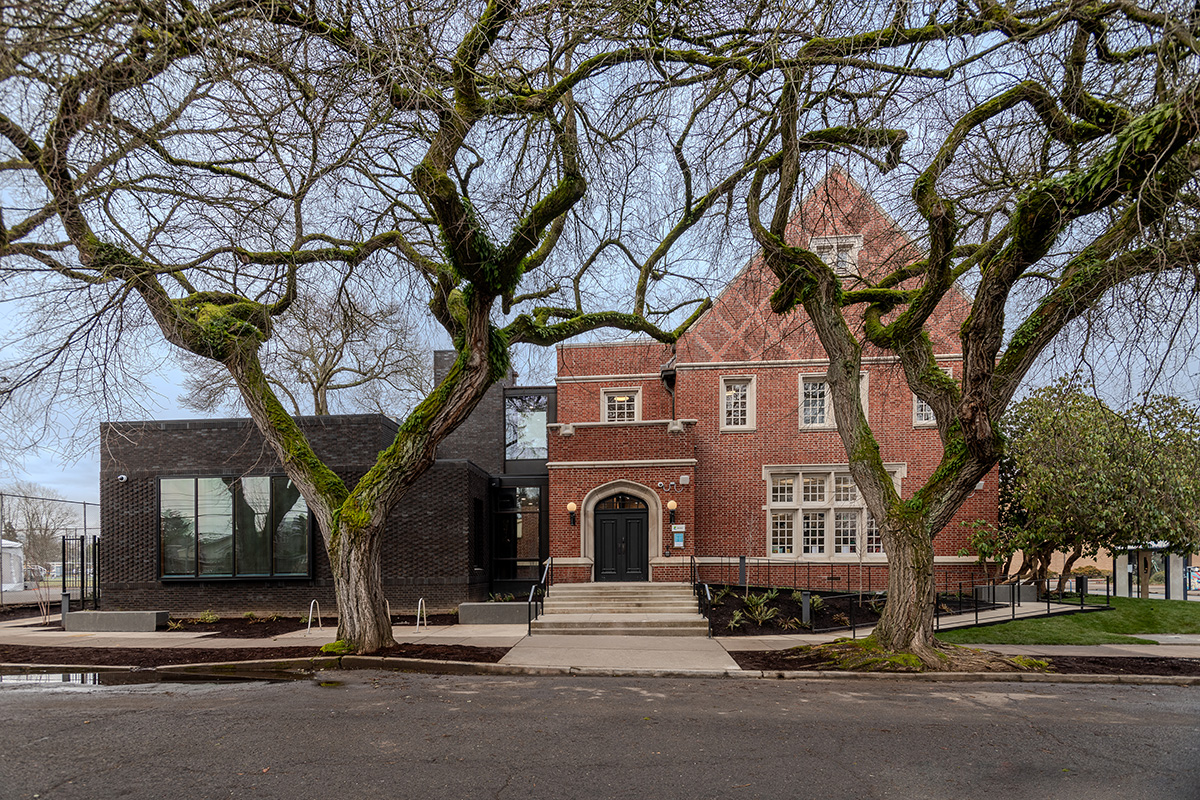
A Portland Community Votes to Invest $13 Million in Its Carnegie Library
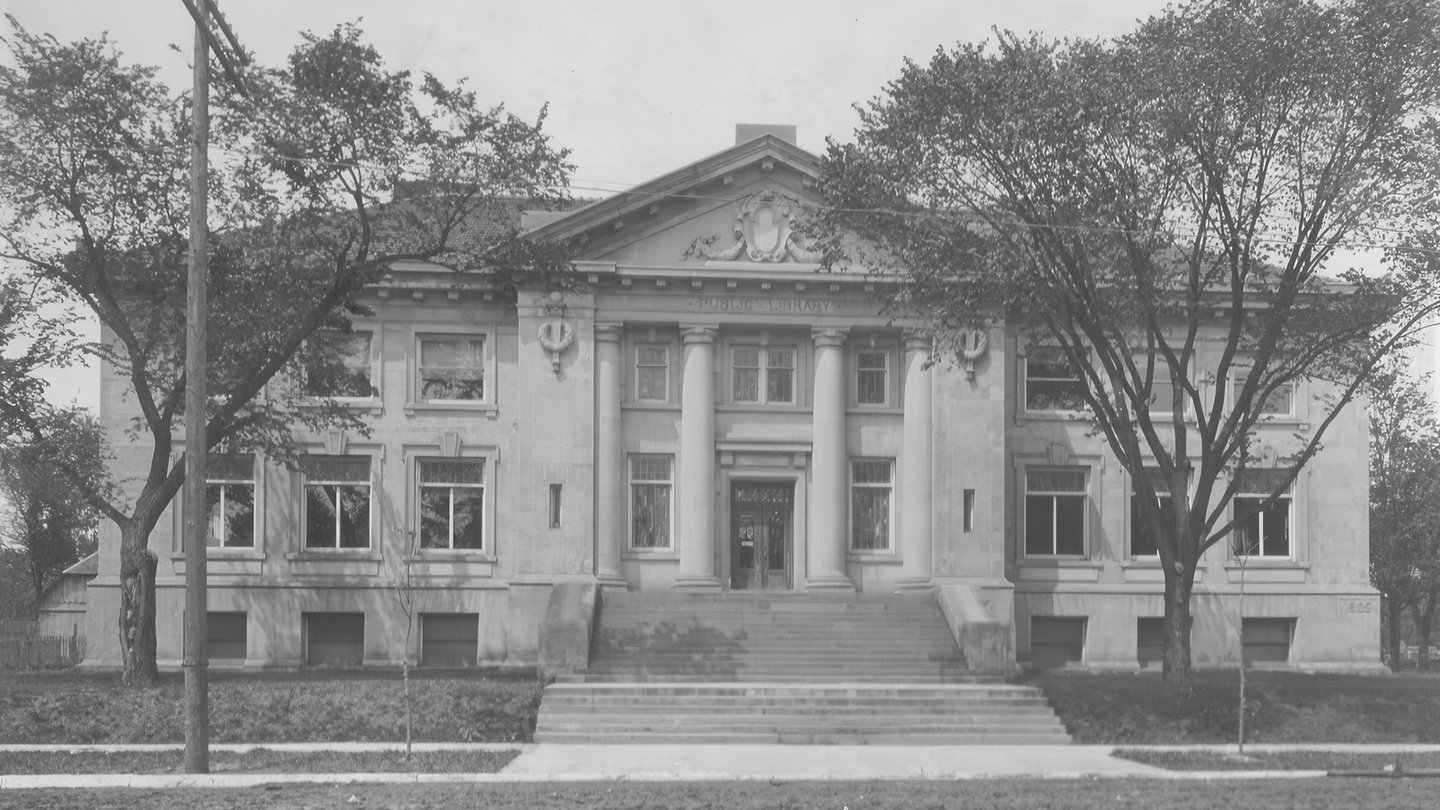
Andrew Carnegie’s Library Legacy
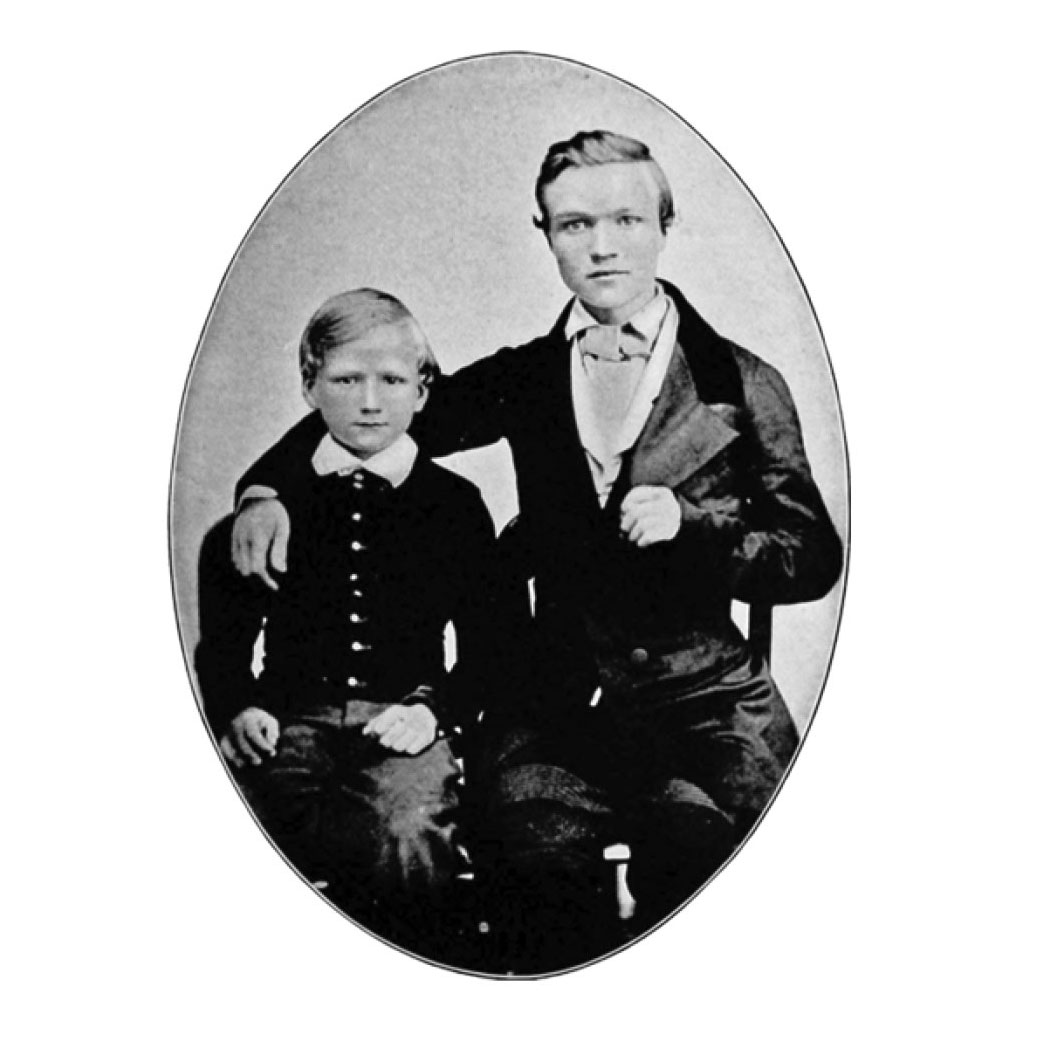
Andrew Carnegie’s formal schooling ended when he was 12 years old. When he became one of the world’s richest men later in life, his first major philanthropy was libraries, having benefited personally from borrowing books as a working boy in Allegheny, Pennsylvania. Carnegie’s great interest was not in library buildings but in the opportunities that libraries offered to everyone for knowledge and understanding. He saw them as “ladders provided upon which the aspiring may climb.”
Andrew Carnegie believed that libraries serve as essential resources for a community.
Having immigrated to Allegheny, Pennsylvania, from Scotland, Andrew Carnegie often recalled the life-changing experience of having access as a 12-year-old to the private library of Colonel James Anderson, a retired businessman, who offered to lend books to workers every Saturday. “He only had about 400 volumes in his library, but they were valuable books, and I shall never forget the enjoyment and the instruction I gained from them when I was too poor to buy books myself,” Carnegie told The New York Times in 1899. “Is it any wonder that I decided then and there that if ever I had any surplus wealth I would use it in lending books to others?”
Image: Andrew Carnegie (right), at age 16, with his younger brother, Thomas
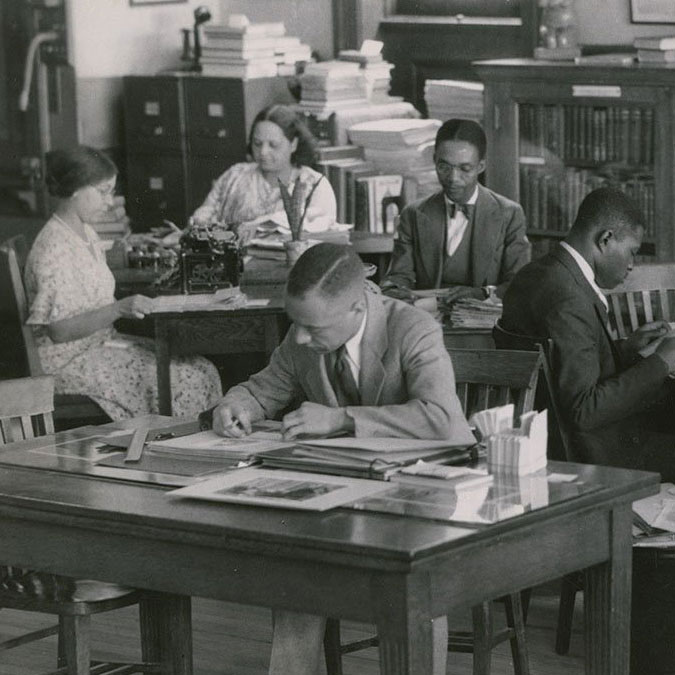
The best gift that could be given to a community was a free library, according to Carnegie.
Public library philanthropy in the United States began in 1886 with Andrew Carnegie’s $250,000 gift to build a free public library in Allegheny, Pennsylvania, on the condition that it would be maintained by the city. Often referred to as the “Patron Saint of Libraries” in his lifetime, Carnegie made hundreds of libraries and books available to millions of people and helped accelerate the public library movement. Starting in 1881 with a gift of a library to his birthplace of Dunfermline, Scotland, Carnegie — and later his foundation — gave some $56 million to build 2,509 public libraries. Of these Carnegie Libraries, 1,681 were built in the United States.
Image: Researchers at work in the Division of Negro Literature, History, and Prints at New York City’s 135th Street library in 1938. (Credit: The New York Public Library, Schomburg Center for Research in Black Culture, Photographs and Prints Division)
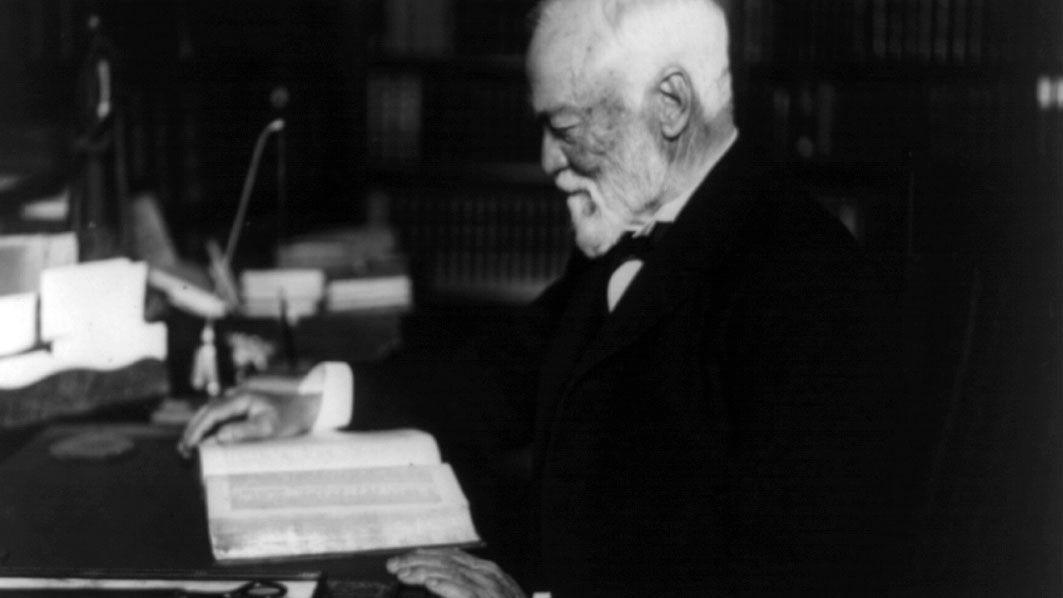
“It was from my own early experience that I decided there was no use to which money could be applied so productive … as the founding of a public library.”
Andrew Carnegie
I Love My Librarian Award
For the Love of Librarians
Bringing books and joy to displaced families in Hawaii. Providing health access in underserved communities in Ohio. Creating hope for incarcerated youth in Delaware. This is the work of America’s most beloved librarians, civic heroes who are strengthening and serving communities every day.

The Secret Life of Librarians
An Indiana librarian helps patrons discover their true histories. A Florida librarian creates a haven for students after a school shooting. A Puerto Rico patent and trademark librarian makes dreams come true for the island’s entrepreneurs.

Subscribe to our newsletter