
Carnegie Corporation of New York Changes Its Name to the Andrew Carnegie Foundation
Philanthropic foundation announces new look and name in honor of its founder

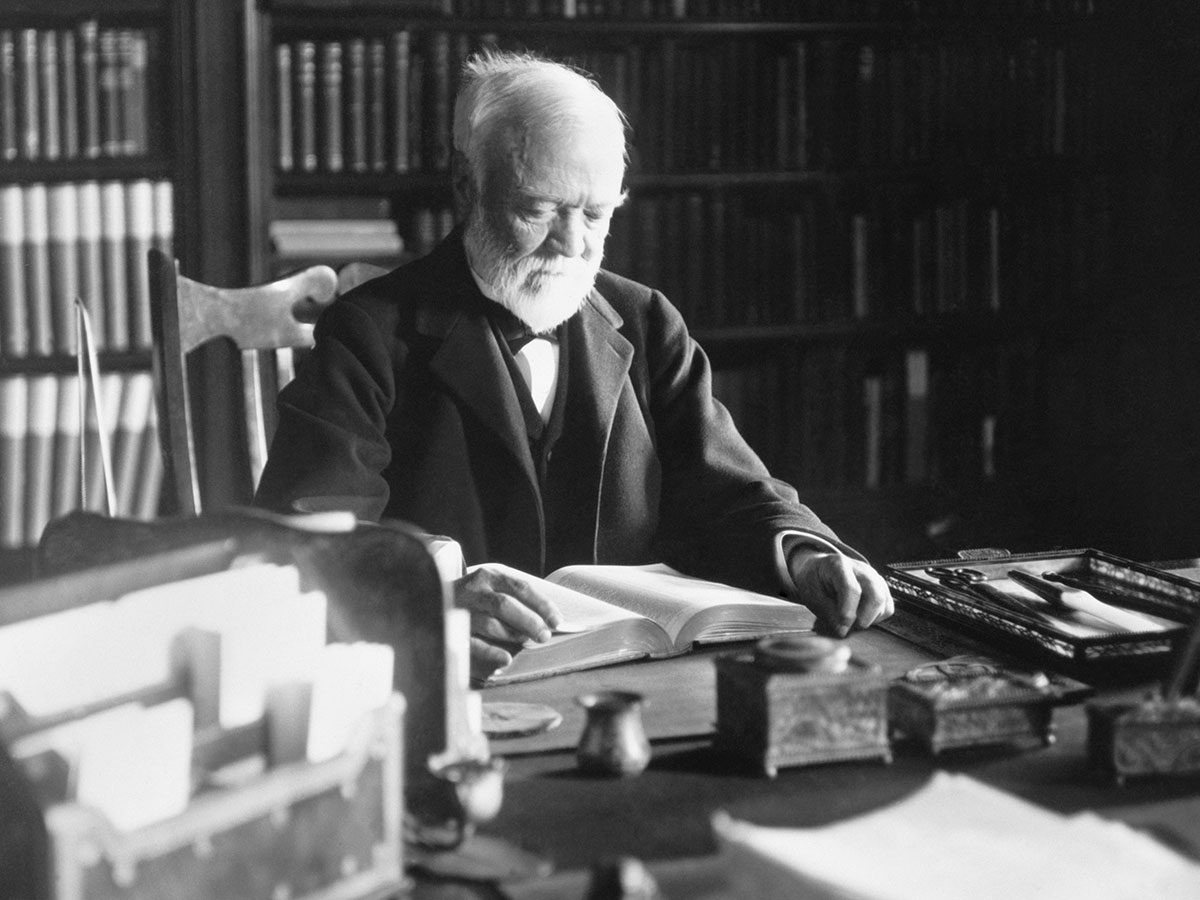
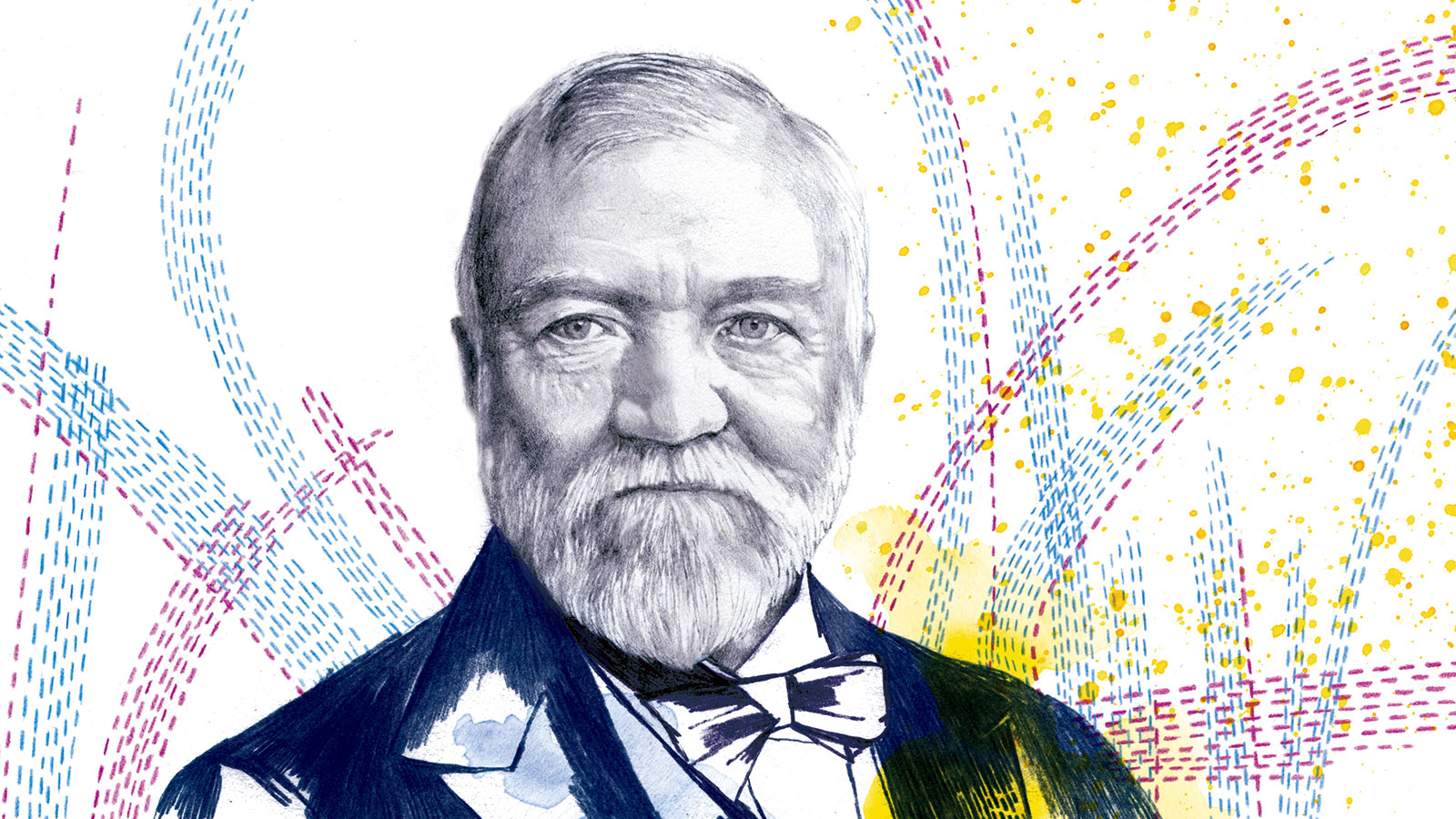
New York, NY, June 9, 2026 — To honor the founder of one of the country’s first grantmaking philanthropies, Carnegie Corporation of New York announced today that it has changed its name to the Andrew Carnegie Foundation. The new name recognizes the role of Andrew Carnegie, the Scottish immigrant who established the foundation on June 9, 1911.
Launched on the foundation’s 115th anniversary, the change is intended to provide a clear connection to the institution’s philanthropic mission and scope of work, and to reduce confusion caused by the original name. The foundation is a nonprofit grantmaking organization, not a corporation, and it disburses funds both nationally and internationally, not just in New York.
The Andrew Carnegie Foundation’s mission is staying the same, focusing on the issues that Andrew Carnegie considered most important: education, democracy, and peace. He endowed his foundation with a total of $135 million, and today the endowment stands at about $5 billion, with a grantmaking budget of $220 million for the current year.
“Andrew Carnegie showed remarkable foresight, pragmatism, and optimism when he established his foundation,” said Janet L. Robinson, chair of the foundation’s board of trustees and former president and CEO of the New York Times Company. “He granted his trustees the authority to adapt to changing times, urging them to ‘conform to my wishes by using their own judgment.’ We believe our new name provides greater clarity regarding who we are and what we do, allowing us to be even more effective in our global mission.”
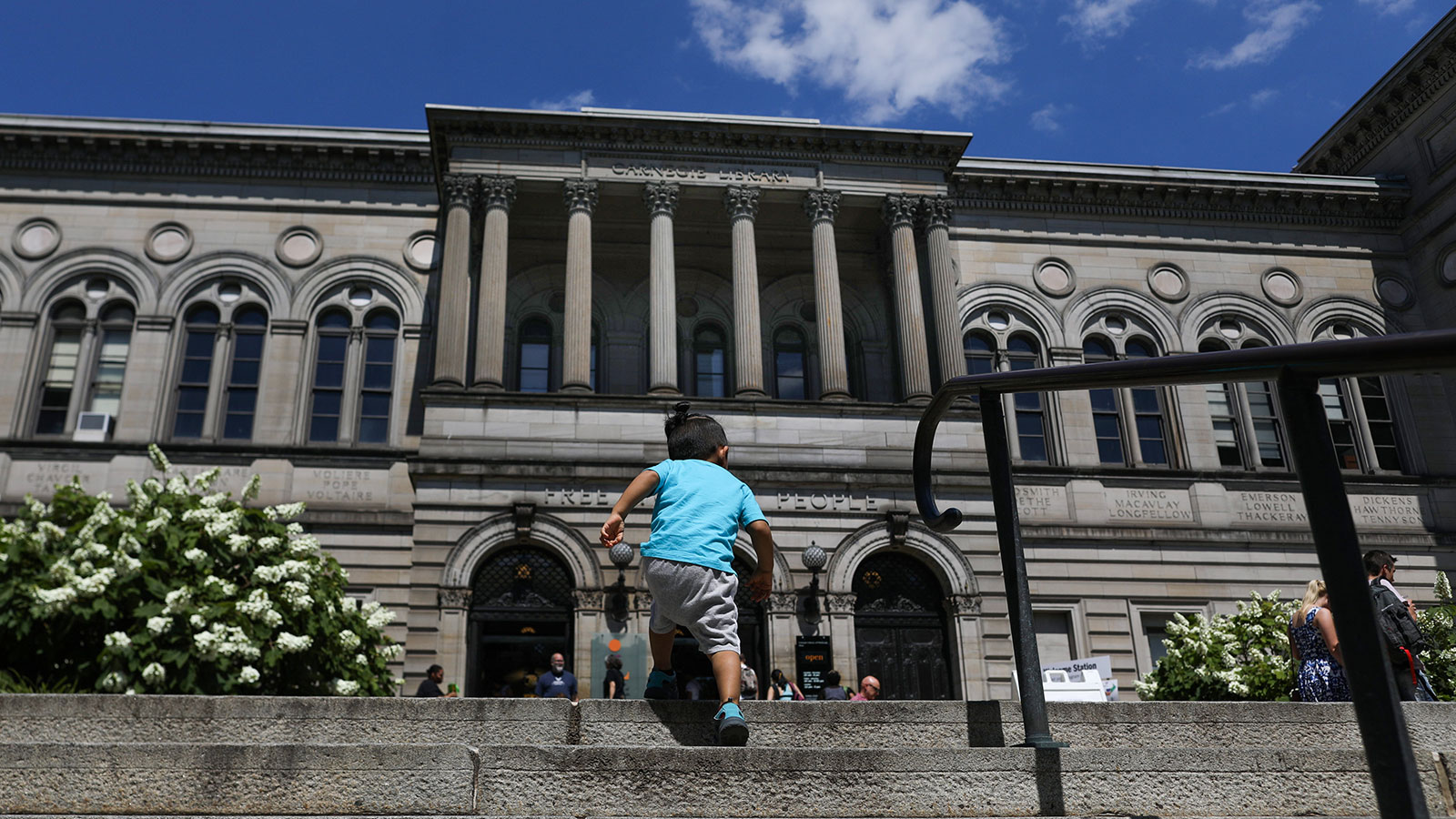
Andrew Carnegie became one of the most influential figures in philanthropy in 1889 when he published his vision in the essay “The Gospel of Wealth,” stating that the rich should use their excess wealth to improve the lives of others. After selling his steel company in 1901 for nearly $500 million, Carnegie committed to giving away his fortune. Among his investments, he funded the construction of free public libraries worldwide and the establishment of more than 20 institutions in the United States and Europe that bear his name. By 1911, Carnegie had run out of more traditional names, leading him to select the word “corporation” for his main grantmaking foundation.
“The Andrew Carnegie Foundation represents one of the most powerful stories in modern philanthropy: an impoverished immigrant who rose to become one of the world’s richest men and then devoted himself to doing ‘real and permanent good in the world.’ His example has inspired generations of philanthropists ever since,” said Dame Louise Richardson, president of the foundation and former head of the University of Oxford. “Our foundation continues his extraordinary legacy over a century after his death, and today, across the world, tens of thousands of people benefit from the 2,500 free public libraries he funded in an unprecedented act of strategic generosity.”
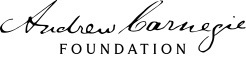
In a nod to Andrew Carnegie’s enduring legacy, the new logo features his signature, written with a fountain pen and found in the foundation’s extensive archives at Columbia University. The foundation commissioned the Brooklyn-based agency Madeo to develop its new visual identity and redesigned website, Carnegie.org.
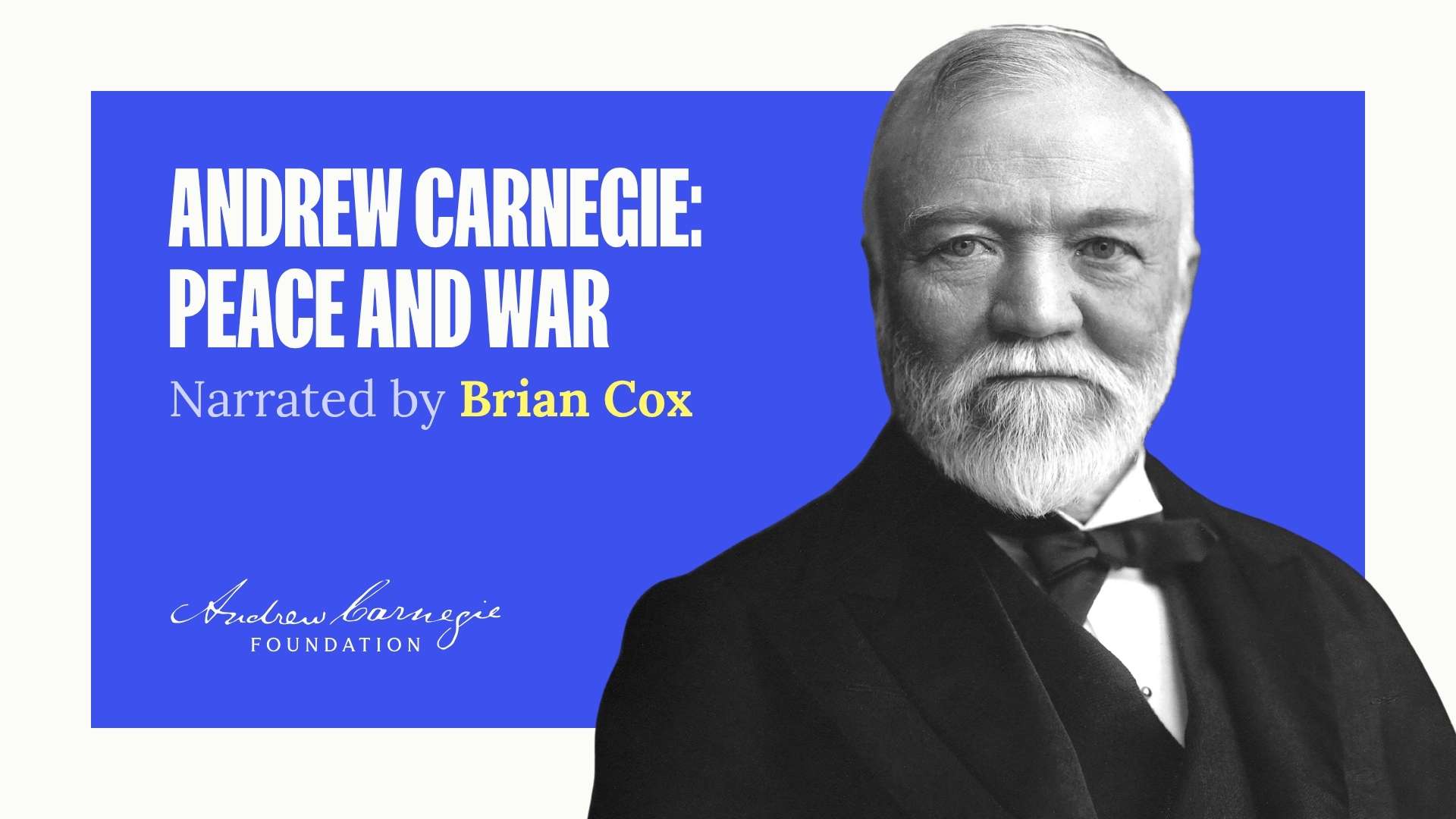
As part of the name change, the foundation commissioned three brief videos narrated by actor Brian Cox that explain Andrew Carnegie’s philanthropy and a comic about his library legacy. Join the Carnegie community by signing up for our newsletter and by engaging with us on social media.
About the Andrew Carnegie Foundation
The Andrew Carnegie Foundation works to reduce political polarization through grants that support ladders of opportunity and a more peaceful world. Its funding provides individuals with the knowledge and tools needed to improve their lives, participate fully in society, and advance peace.




Subscribe