
Grantmaking Highlights
More than 100 years of notable grantmaking, commissions, and other initiatives funded by the Andrew Carnegie Foundation
1911
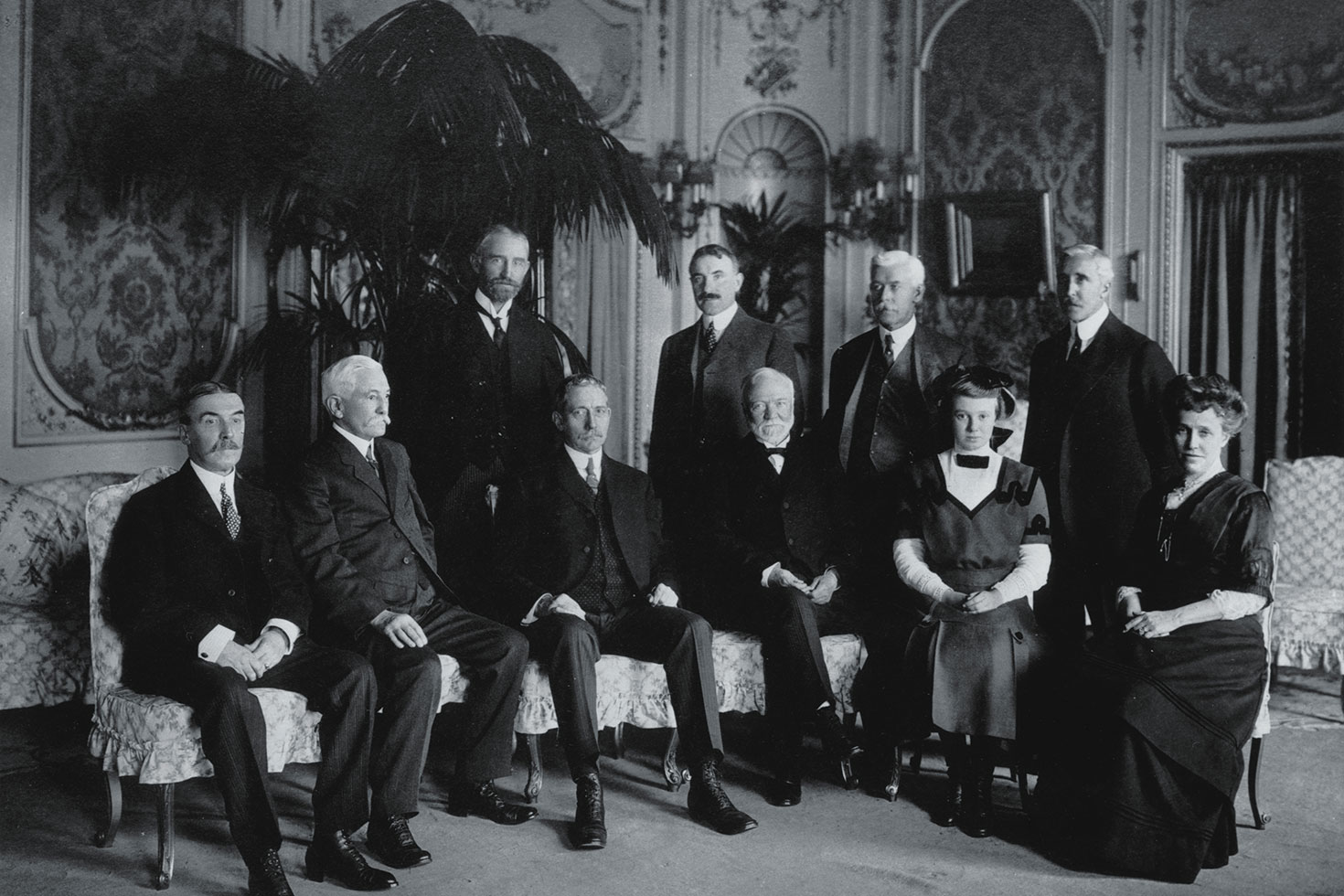
Scottish-born American industrialist and philanthropist Andrew Carnegie establishes Carnegie Corporation of New York, one of the country’s first grantmaking institutions, to “promote the advancement and diffusion of knowledge and understanding.” Inspired by his essay The Gospel of Wealth (1889), the foundation is endowed by Carnegie with $135 million.

Continuing work he began in the 1880s, Andrew Carnegie, the first president of Carnegie Corporation of New York, initiates a program to pay for the construction and development of public libraries. Over time, the Corporation funds 1,661 libraries in the U.S. and 828 in other parts of the world. This includes the Schomburg Center for Research in Black Culture, which is seeded in 1926 with the help of a $10,000 grant from the Corporation, allowing the New York Public Library to acquire collector Arturo Alfonso Schomburg’s rare manuscripts and books by Black authors.
1913
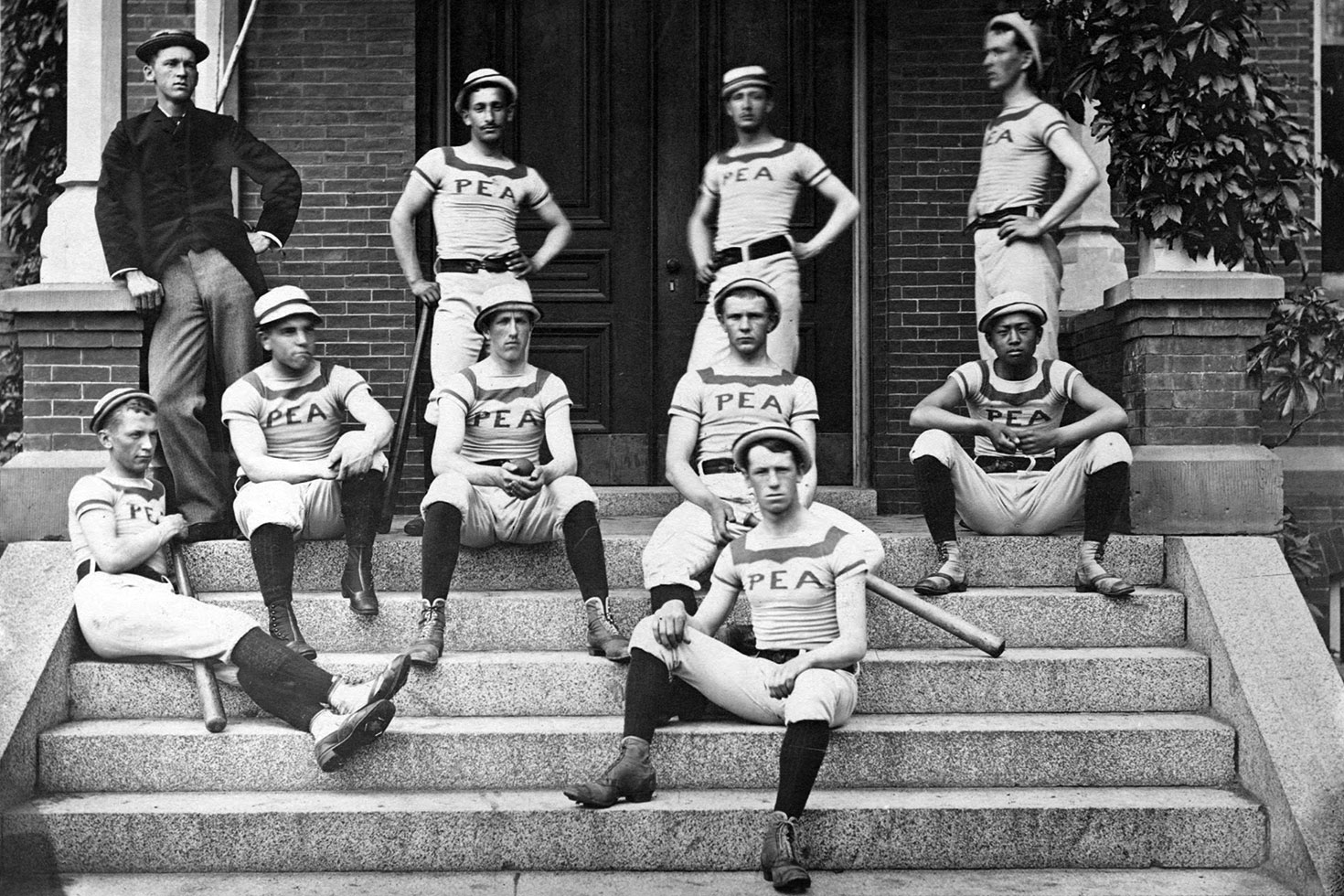
Established in 1872, what would become known as the Chinese Educational Commission was led by two Chinese citizens, who constituted the first Chinese delegation to the United States. For its first international grant, Carnegie Corporation of New York gives $200,000 (nearly $5 million in 2021) to the commission to defray the cost of support of 275 Chinese students studying at U.S. colleges and universities.
1918
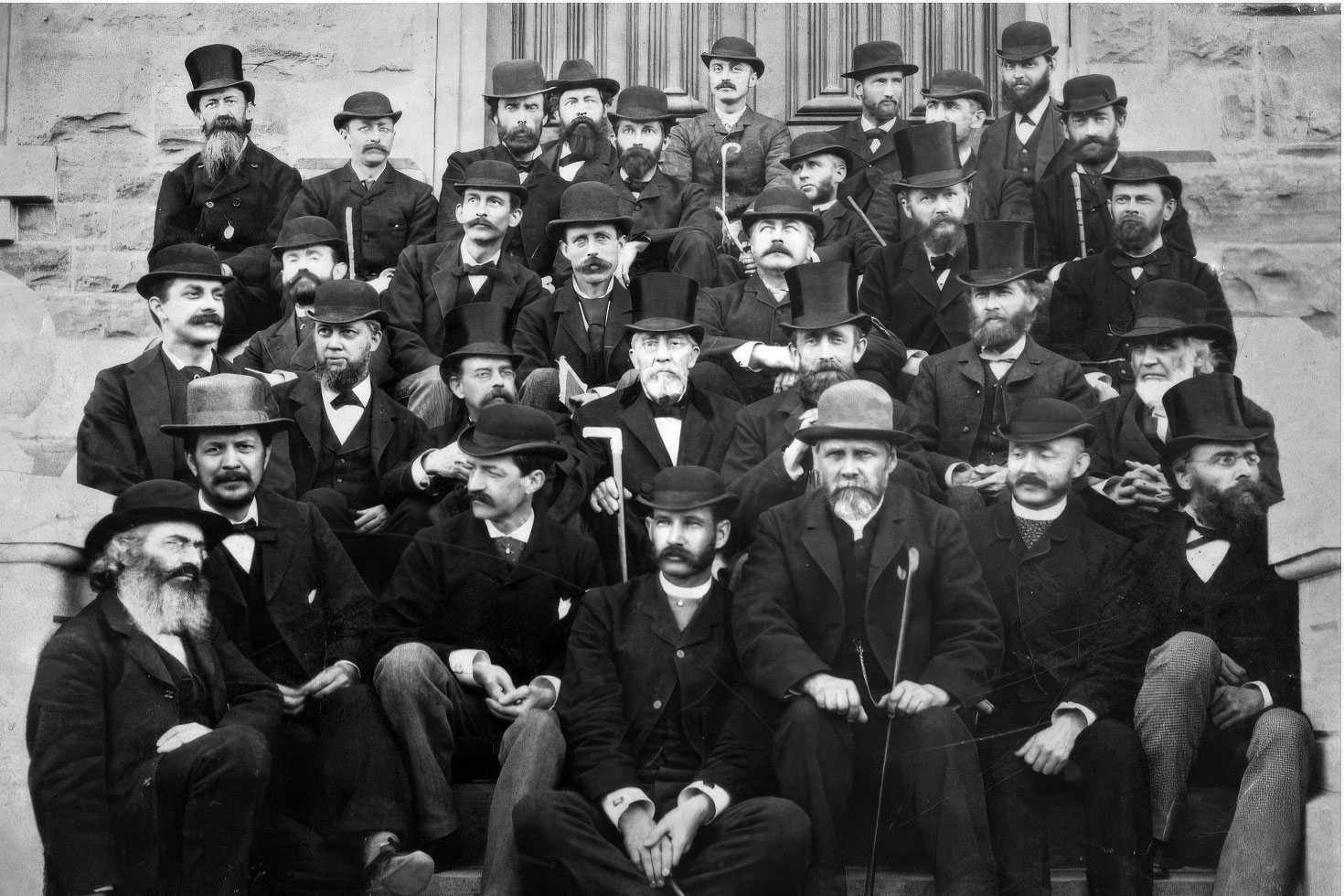
While serving as a trustee at Cornell University, Andrew Carnegie is shocked to discover that teachers have less financial security than his former office clerks. To address this problem, he establishes the Teachers Insurance and Annuity Association of America with a $1 million grant from Carnegie Corporation of New York. Now TIAA, it is one of the world’s largest financial services companies, with more than $1.3 trillion in assets under management at the end of 2019.
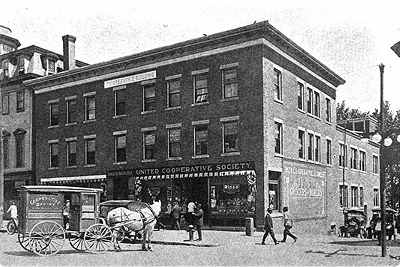
Carnegie Corporation of New York commissions the Americanization Studies to ease the assimilation of immigrants and help inform policy for the federal Bureaus of Naturalization and of Education. Its ten volumes, published in the 1920s, are meant to be a first step toward developing a national immigration policy.
1920
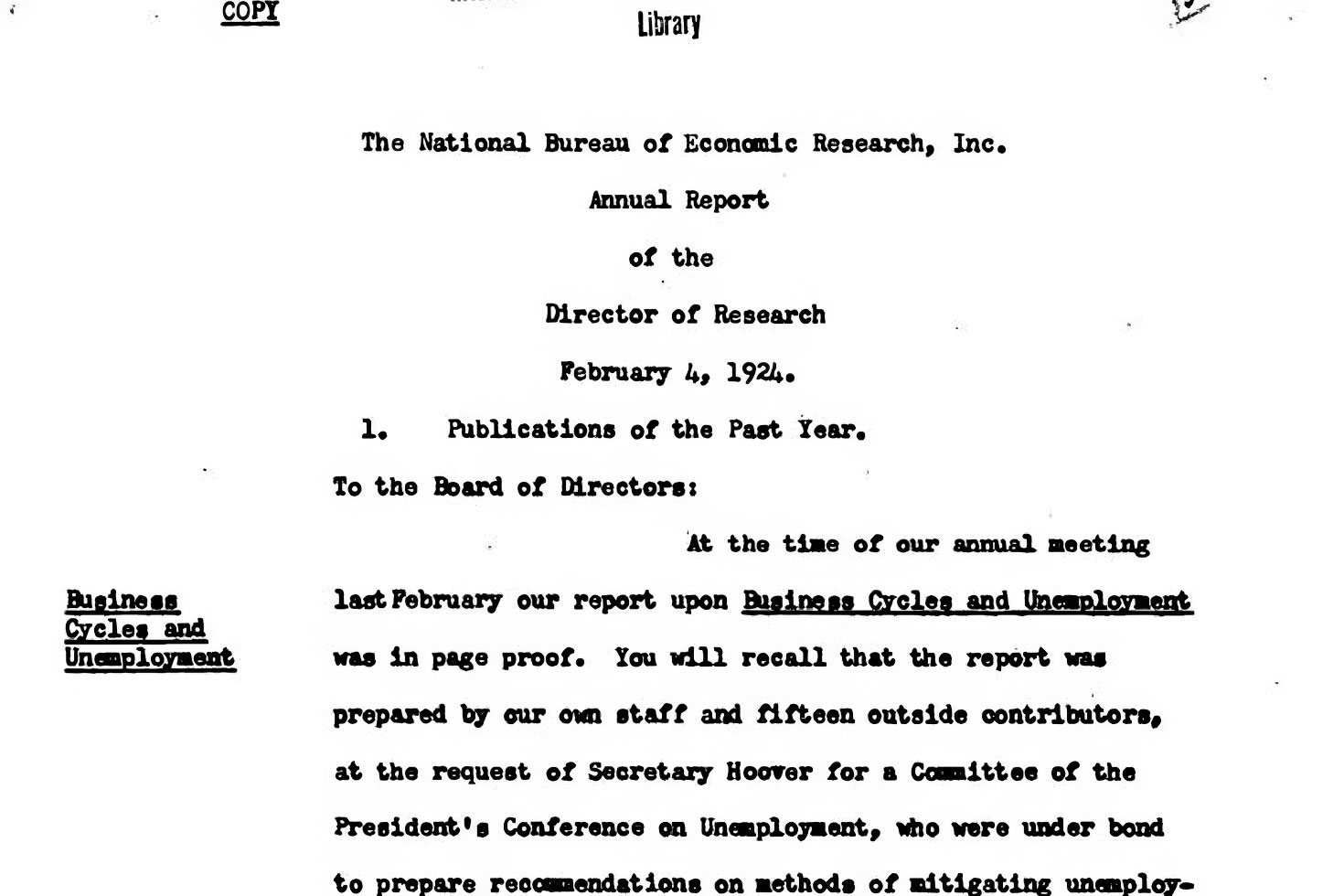
The Corporation funds the launch of the National Bureau of Economic Research to promote greater understanding of how the economy works. This nonprofit organization is dedicated to providing unbiased economic research to public policymakers, business professionals, and the academic community.
1921
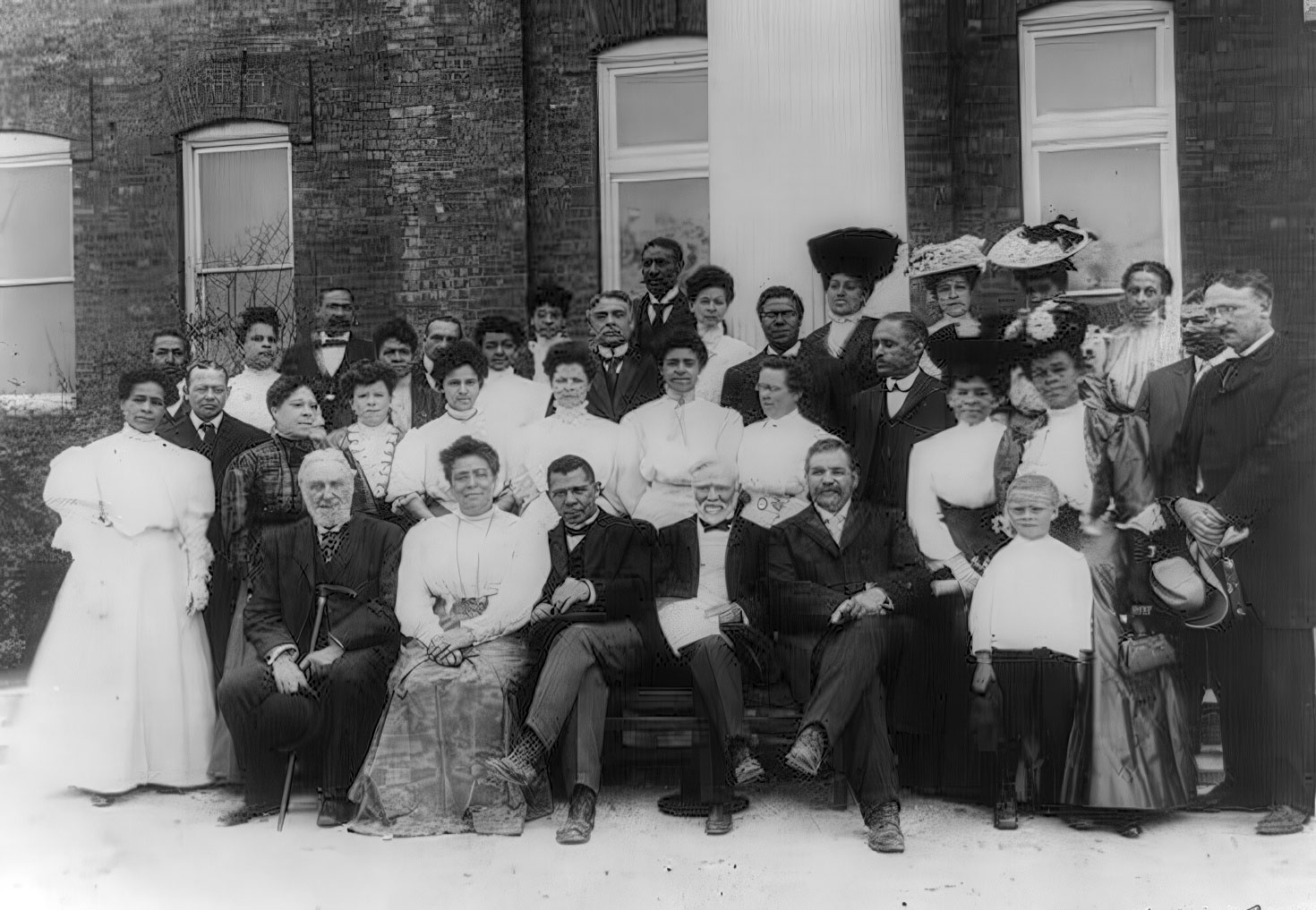
Carnegie Corporation of New York makes its first grant to the Tuskegee Institute in 1921 for the amount of $50,000. Prior to this, the Corporation’s founder, Andrew Carnegie, had made significant gifts to the Institute starting in 1900 with $20,000 for a new library at the request of Booker T. Washington, who founded the Institute in Alabama as a vocational and technical school for Black students. Funding from Carnegie and his foundation totals more than $1.2 million, and today, the Corporation continues its support of historically Black colleges and universities.
1923

The Nobel Prize in Medicine is awarded to Dr. Frederick Banting and Dr. J.J.R. Macleod for the discovery of insulin. Their groundbreaking experiments are conducted in a Corporation-funded laboratory at the University of Toronto.

The second president of Carnegie Corporation of New York, Nobel Prize–winner Elihu Root, joins a committee of prominent teachers, judges, and lawyers in recommending the creation of the American Law Institute. The Institute was founded to clarify and simplify the law, secure better administration of justice, and encourage legal scholarship.
1926

The Corporation funds the establishment of the American Association for Adult Education, which is dedicated to the belief that lifelong learning contributes to human fulfillment and positive social change. The Corporation is the organization’s sole funder until 1940. The AAAE was eventually merged, and by 1982, it was part of the American Association for Adult and Continuing Education (AAACE).
1927
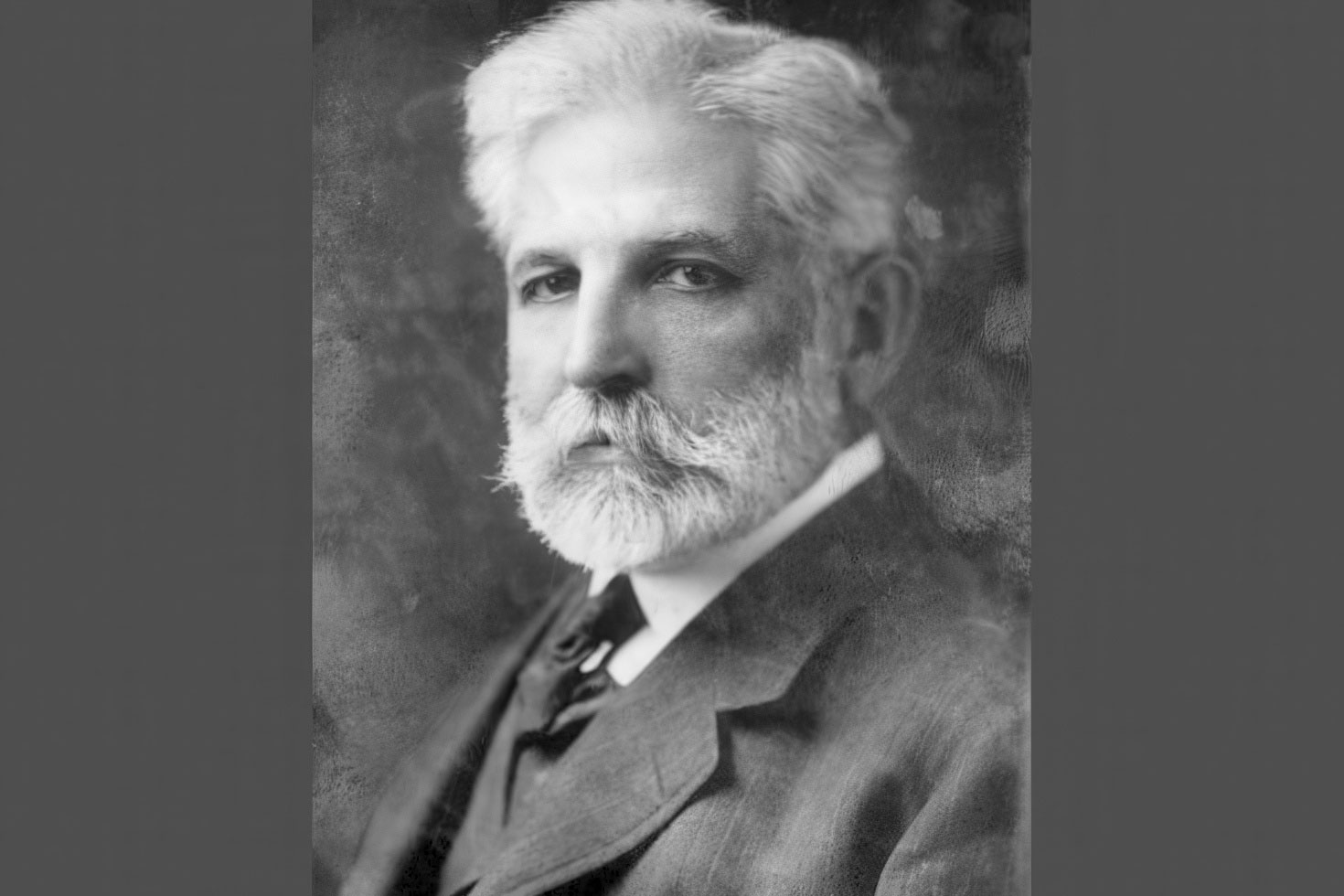
Philanthropist Robert S. Brookings creates the influential nonprofit Brookings Institution by merging three research organizations. These include the Institute of Economics, established by the Corporation in 1922 with a $1.6 million grant. Brookings’s mission is to conduct in-depth public policy research aimed at solving problems facing society at the local, national, and global level.
1932

The first Carnegie Corporation of New York Inquiry into Poverty and Development in Southern Africa publishes the Poor White Study, meant to improve the status of impoverished Afrikaners. During the next two decades, the study would be used as a rationale for the establishment of the apartheid government in South Africa, which the Corporation would seek to alter over the years by funding challenges to apartheid in the courts, contributing to the country’s eventual transition to democracy.
1938
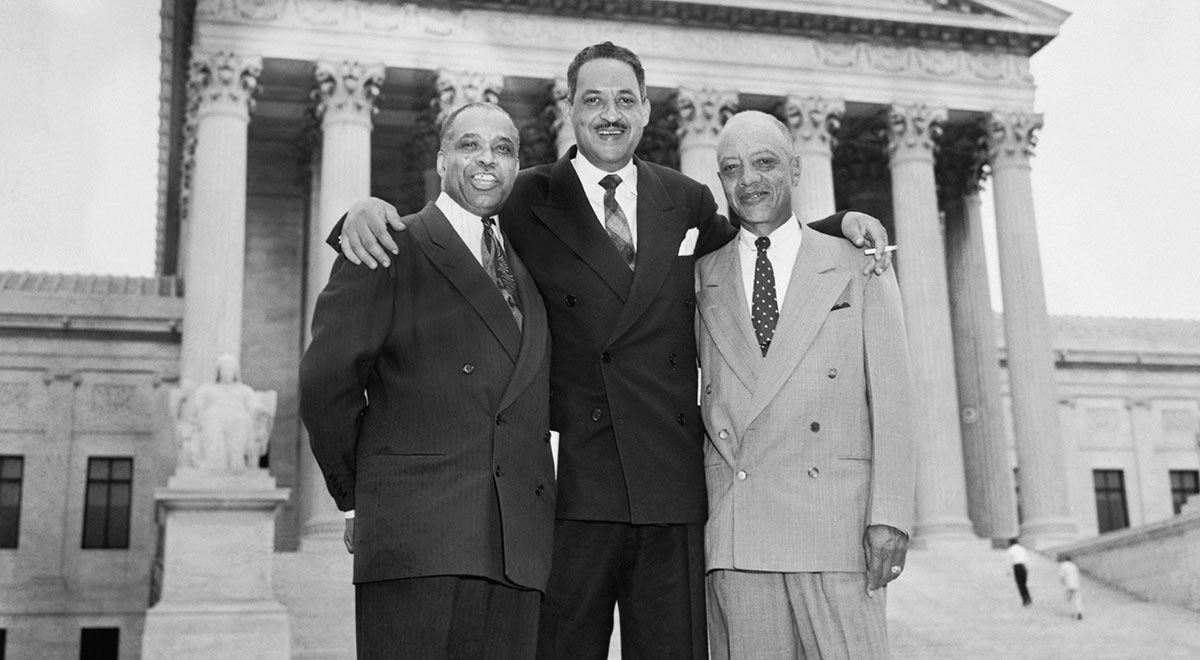
The Corporation commissions Swedish economist Gunnar Myrdal to undertake a two-year study of the condition of Black people in America, resulting in the book, An American Dilemma: The Negro Problem and Modern Democracy (1944). In 1954, the Supreme Court cites the book in deciding Brown v. the Board of Education, which ends “separate but equal” education for Black children and serves as a moral wake-up call prior to the civil rights movement. In 2019, the Corporation supports the day-long Social Science Research Council conference, An American Dilemma for the 21st Century, which brings together nearly two hundred scholars, leaders, and community members at the Schomburg Center for Research in Black Culture to mark the 75th anniversary of the publication. The Corporation also supports the launch of a digital platform expanding access to the Carnegie-Myrdal research archive.
1947
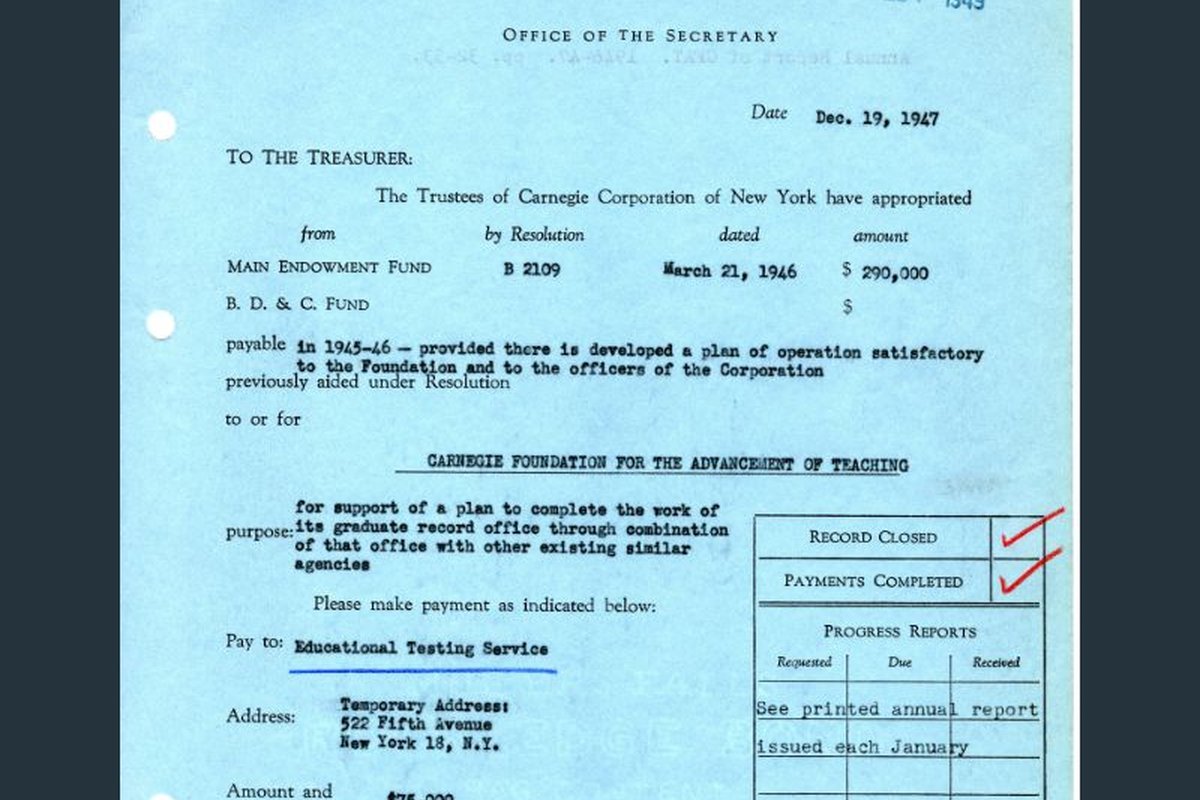
With Corporation support, the Carnegie Foundation for the Advancement of Teaching helps establish the Educational Testing Service (ETS) to centralize the nation’s approach to educational testing and research and provide a means of measuring academic merit irrespective of social or economic background. Results include the GRE and TOEFL exams, among other products and services, such as the development and administration of the SAT test.
1948

The Russian Research Center (now the Davis Center for Russian and Eurasian Studies) is founded at Harvard University, with seed money from Carnegie Corporation of New York, in hopes that the social sciences could address the nation’s need to understand its Cold War adversary. This initial grant marks the start of the Corporation’s decades-long focus on U.S. relations with the region.
1958

A $100,000 grant launches the Foundation Center (now merged with GuideStar and known as Candid) to support and improve philanthropy by providing information, research, and training for grantmakers and grant seekers. This support comes after former Corporation chair Russell Leffingwell tells Congress that foundations should have “glass pockets” to further public understanding of their role in society. Read “Transparency and Accomplishment: A Legacy of Glass Pockets” by Vartan Gregorian, the Corporation’s twelfth president.
1959
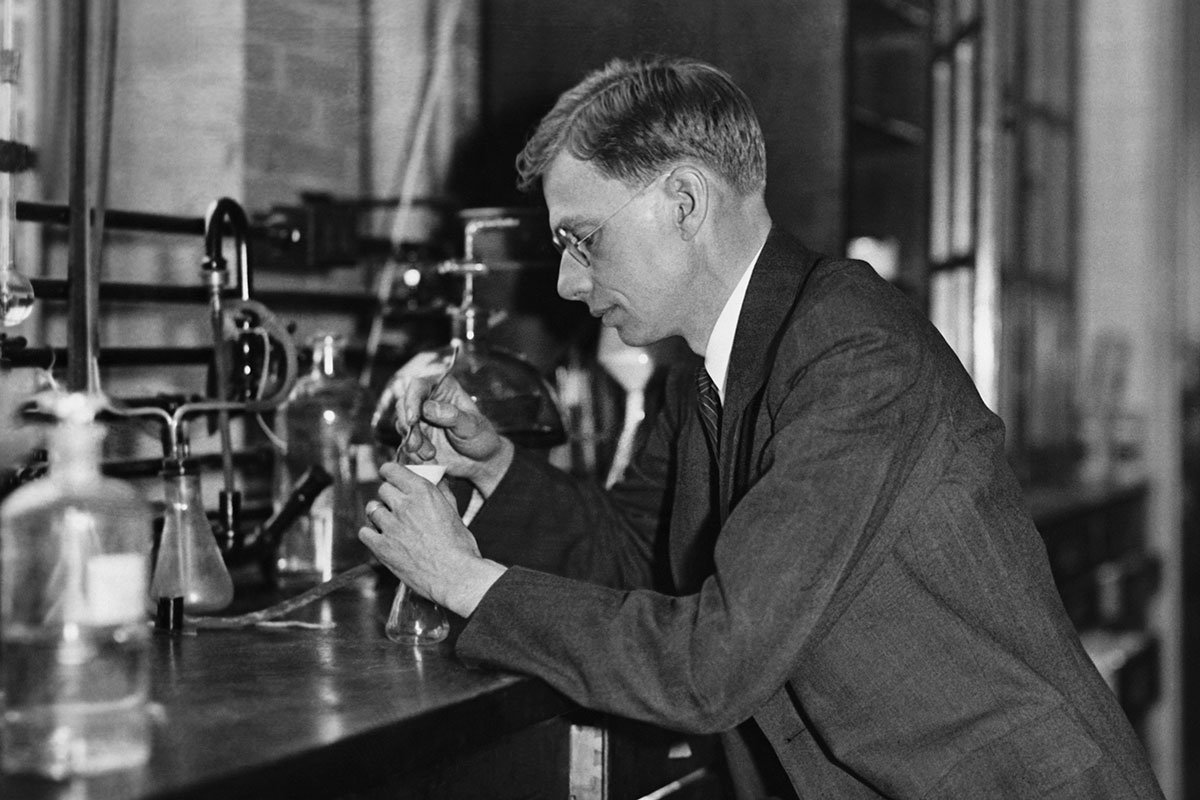
Two years after Sputnik raised fears about the quality of U.S. education, The American High School Today: A First Report to Interested Citizens is published, with Corporation funding, to build support for public schools. Author James B. Conant, former president of Harvard University, argues that a comprehensive high school offering a variety of courses, including languages and vocational training, would prepare a diverse student body most successfully for the future.
1960

Carnegie Corporation of New York funds the creation of the Center for Cognitive Studies at Harvard as a base for scholars in the developing field of cognitive psychology — a movement that focuses on the study of thinking and the mind rather than human behavior through conditioning — which would have a significant impact on early childhood education.

The College Entrance Examination Board creates the College-Level Examination Program (CLEP) with Corporation support. CLEP offers students of any age and educational background the opportunity to bypass undergraduate coursework through a program of subject-area exams demonstrating college-level achievement. This first attempt at taking life experience into account is now recognized by thousands of colleges and universities.
1963

The Corporation funds the establishment of the Educational Resources Center at Bank Street College of Education, marking the start of a longstanding grantee relationship. The Center’s goal is to support the education of students held back by poverty or racism, consistent with the Corporation’s deep commitment to social and racial justice. Now the Bank Street Education Center, it continues to address some of the nation’s deepest challenges hindering effective and equitable teaching and learning for all.
1964

The Carnegie Commission on Educational Television is created to study the role of noncommercial TV in society. In 1967, it publishes the landmark report, Public Television: A Program for Action, which concludes that the American people need an educational television system and makes recommendations leading to the Public Broadcasting Act of 1967. A subsequent $1 million grant to PBS initiates the foundation’s commitment to national and local educational television and radio, as well as nonprofit journalism.

Often called “the nation’s report card,” the National Assessment of Educational Progress (NAEP) begins in 1964 with a grant from Carnegie Corporation of New York to set up the Exploratory Committee for the Assessment of Progress in Education. Today, NAEP is the only nationally representative and continuing assessment of what America’s students know and can do in key subject areas: mathematics, reading, science, writing, the arts, civics, economics, geography, and U.S. history.
1965
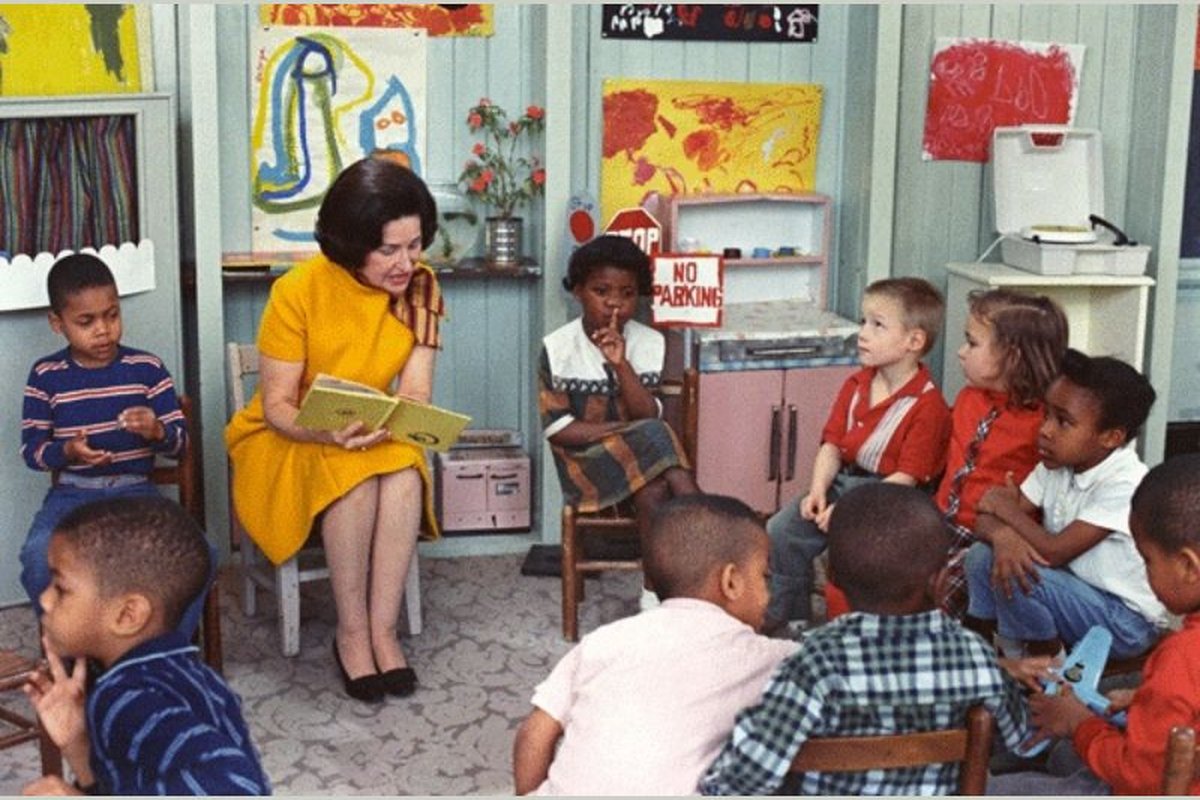
Head Start is launched as part of the war on poverty, providing preschool children of low-income families with a comprehensive program to meet their emotional, social, health, nutritional, and psychological needs. Carnegie Corporation of New York-supported research in early childhood cognitive development proves crucial in securing and safeguarding federal funds for the groundbreaking Head Start program.

With an early investment by the Corporation, the Chronicle of Higher Education is launched to immediate success. By its fiftieth anniversary, it has the largest online audience in higher education. In 1981, the same publishing group begins Education Week, and in 1989, it adds the monthly Teacher Magazine.
1967
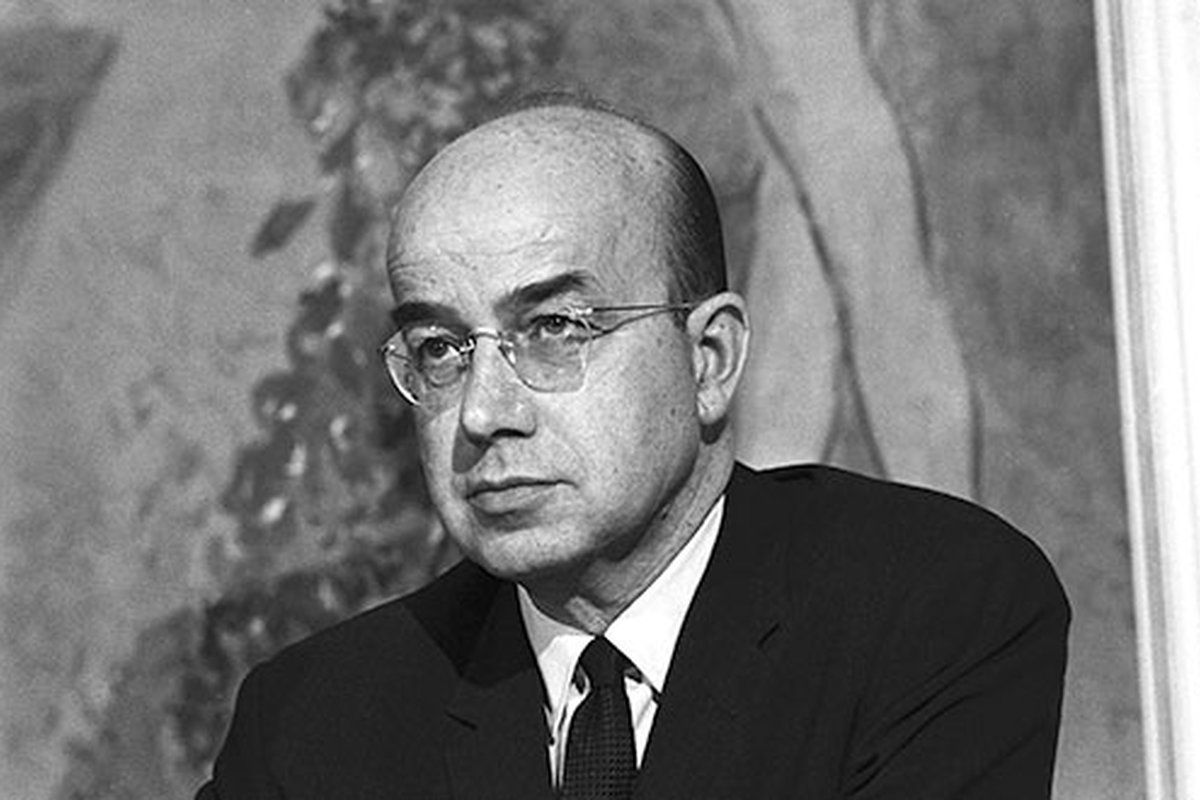
Carnegie Corporation of New York provides funding for its sister institution, the Carnegie Foundation for the Advancement of Teaching, to create the Carnegie Commission on Higher Education. Clark Kerr, respected higher education leader and former head of the California University system, launches the commission, which runs through 1979 and produces over 170 books and reports targeting policy areas such as social justice, governance, and the purposes and performance of institutions.
1969

Groundbreaking children’s program Sesame Street debuts on PBS. The show is based on the results of a Carnegie Corporation of New York-funded study conducted by Joan Ganz Cooney, a producer of public affairs programs for National Educational Television, to determine whether television could be used to educate young children. Envisioning a new kind of children‘s program, Cooney forms the Children’s Television Workshop to produce it with further Corporation support. Sesame Street has since been viewed by hundreds of millions of children in more than 140 countries.
1970

The Corporation for Public Broadcasting, an outgrowth of the Carnegie Commission on Educational Television, creates National Public Radio (NPR) as a private, nonprofit organization with the mission of creating a more informed public. It aims to provide leadership in national newsgathering and production and offer the first permanent, nationwide network of noncommercial stations. Sixty million people now access NPR across its range of platforms every week.
1971
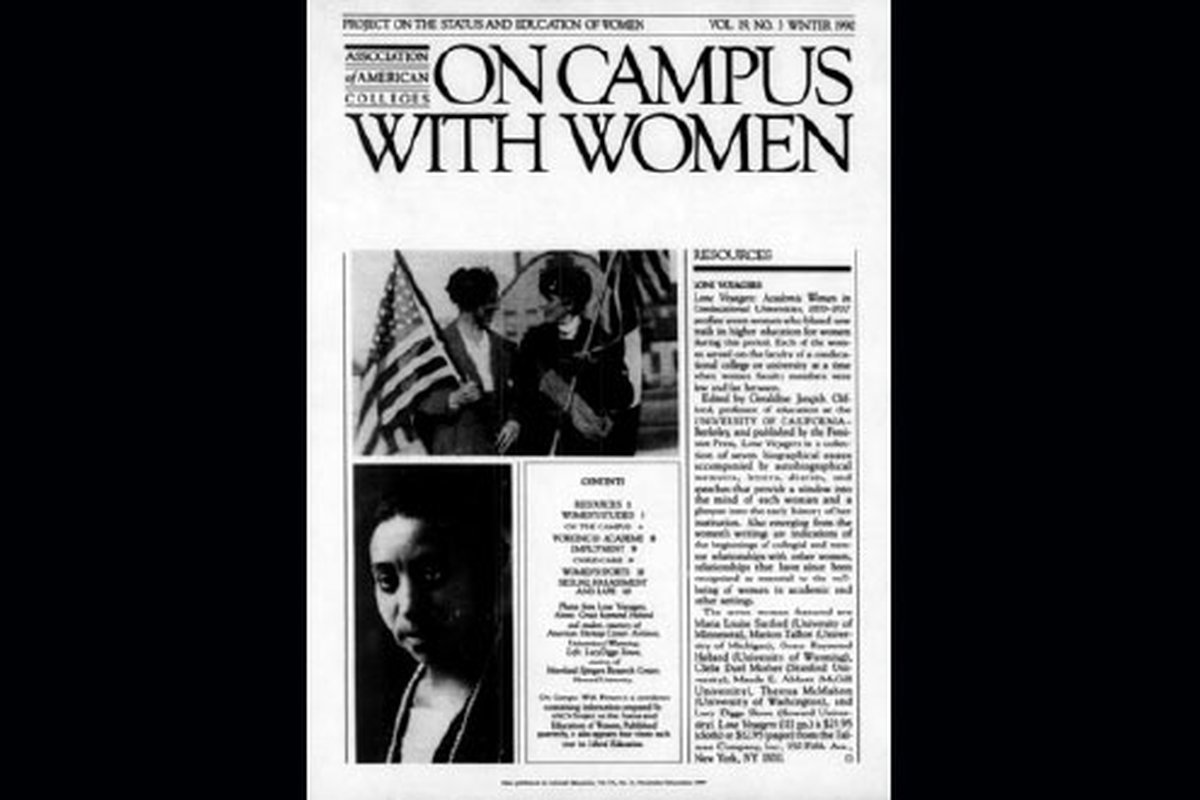
A grant from Carnegie Corporation of New York helps create the Project on the Status and Education of Women, one of the first programs to focus on gender equity in higher education. Administered by the American Association of Colleges and Universities, it works to improve access and advancement for women by addressing issues such as women’s studies, affirmative action, and the hiring of women faculty.
1972
As part of its focus on increasing the nation’s number of Black lawyers, Carnegie Corporation of New York supports the establishment of the Earl Warren Legal Training Program by the NAACP Legal Defense and Educational Fund. The Earl Warren Scholarship is awarded annually to rising law students whose commitment to racial justice reveals outstanding potential for training as civil rights and public interest attorneys.
Following the recommendations of the Carnegie Commission on Higher Education, the federal government institutes Basic Educational Opportunity Grants, known as Pell Grants — the largest college financial aid program in the United States — to offer tuition assistance to college students on the basis of need. Unlike loans, Pell Grants do not need to be repaid.
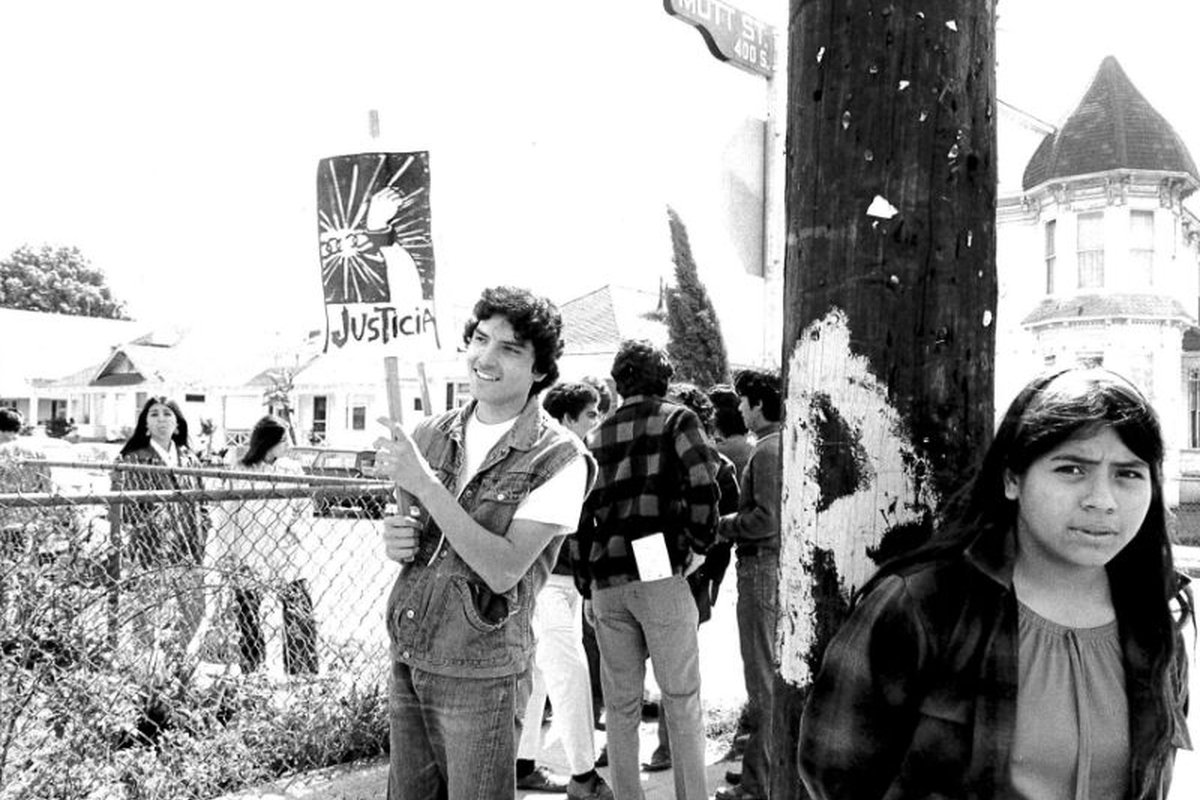
The Corporation undertakes a new strategy to protect the rights of minorities and secure social change via the courts, supporting the Native American Rights Fund, the Puerto Rican Legal Defense and Education Fund, and the Mexican American Legal Defense Fund to attain greater equality while building minority leadership.
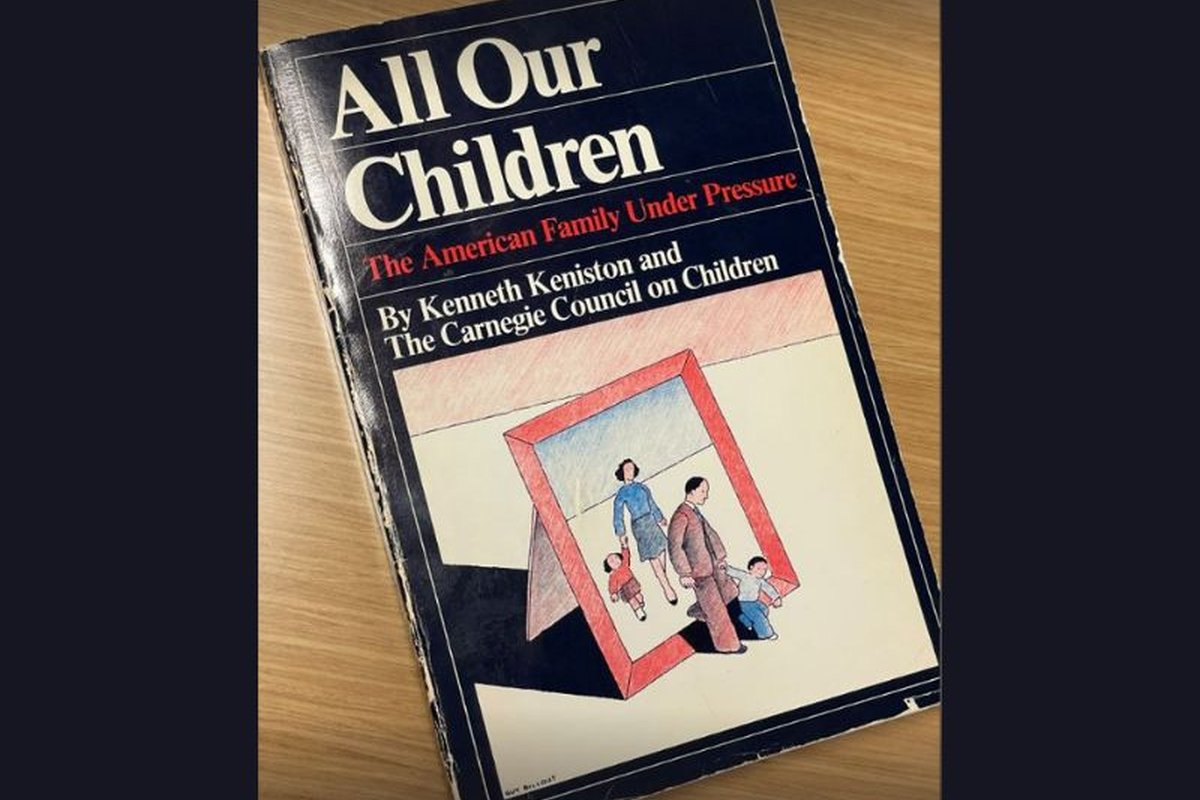
The Carnegie Council on Children reflects the Corporation’s concern for the psychological aspects of child development. Formed to research social, economic, and educational influences on children and related public policy, the Council publishes All Our Children: The American Family Under Pressure. The report raises public awareness of the social forces shaping children’s lives, including the growing problem of income inequality, and offers public policy recommendations to benefit children and families.
1973
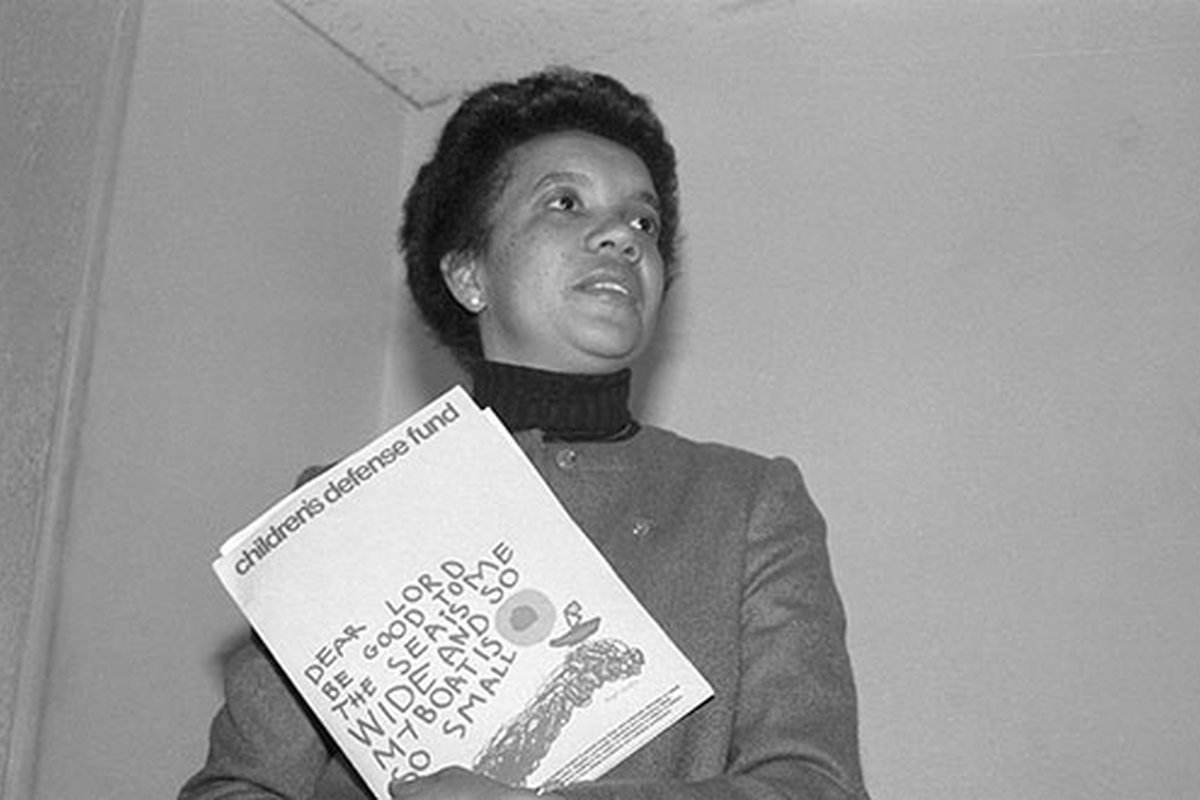
The Children’s Defense Fund (CDF), a research and advocacy nonprofit led by Marian Wright Edelman, is established with support from the Corporation. Its mission is to work toward the betterment of children’s lives — particularly poor children, children of color, and those with disabilities. Working closely with the Corporation, CDF takes the lead on landmark legislation such as the 1975 Education for All Handicapped Children Act and the 1977 Children’s Health Insurance Program.
1974
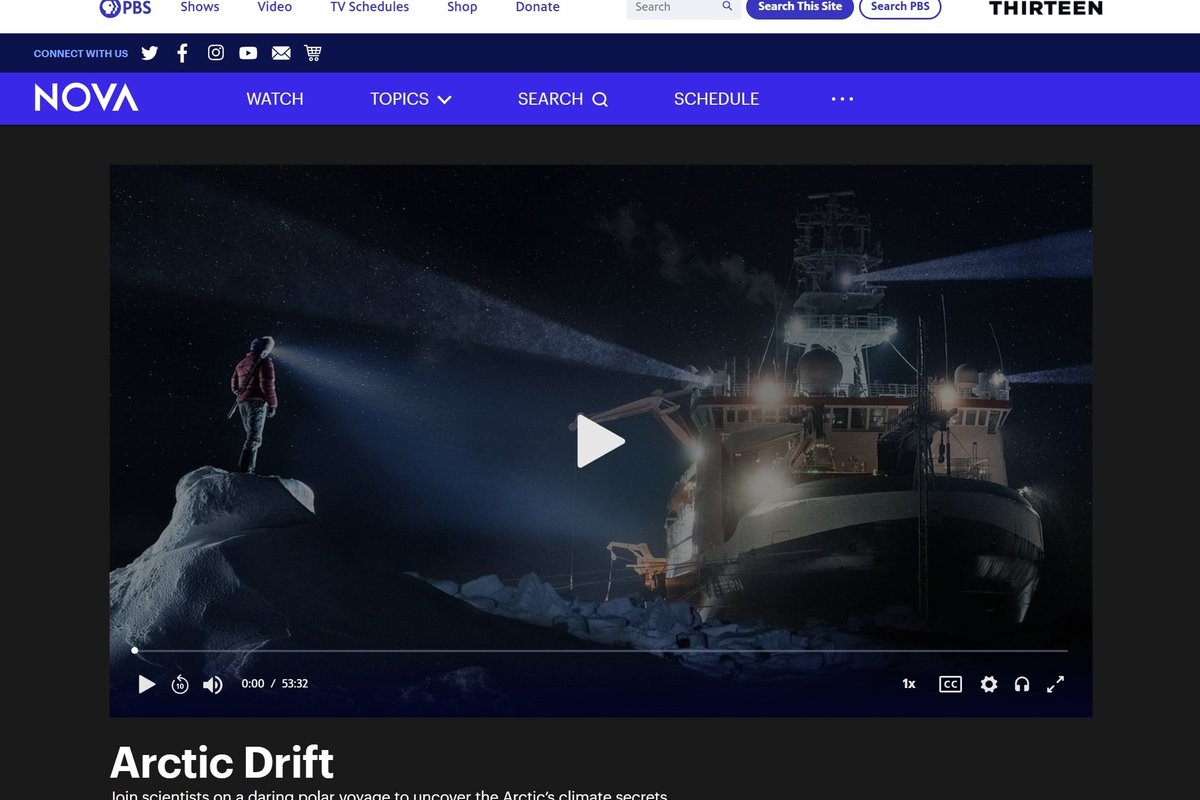
The Corporation provides start-up funds to create the pioneering television program NOVA. Produced in cooperation with the American Association for the Advancement of Science, NOVA becomes the longest-running, most-watched, primetime science series on American television.
1975

Carnegie Corporation of New York supports the United States-South Africa Leader Exchange Program to train Black professionals for civil participation and promotion of peaceful change. Having withheld support for projects in South Africa under apartheid, the Corporation, in response to increasingly brutal government repression, begins funding public interest law projects to challenge apartheid policies in the courts.
1977

At the request of the Public Broadcasting System and National Public Radio, the Carnegie Commission on the Future of Public Broadcasting is formed to reappraise the status of this sector in the United States. The Commission publishes its recommendations for reshaping the country’s public broadcasting system in its 1979 report, A Public Trust.
1978
In an era of anti-apartheid activism, the Corporation helps establish the Centre for Applied Legal Studies (CALS) at Witwatersrand University, South Africa. A pioneer in the development of human rights in South Africa, CALS evolves from promoting civil rights through research and education to undertaking public impact litigation that challenges the country’s apartheid policies.
1982
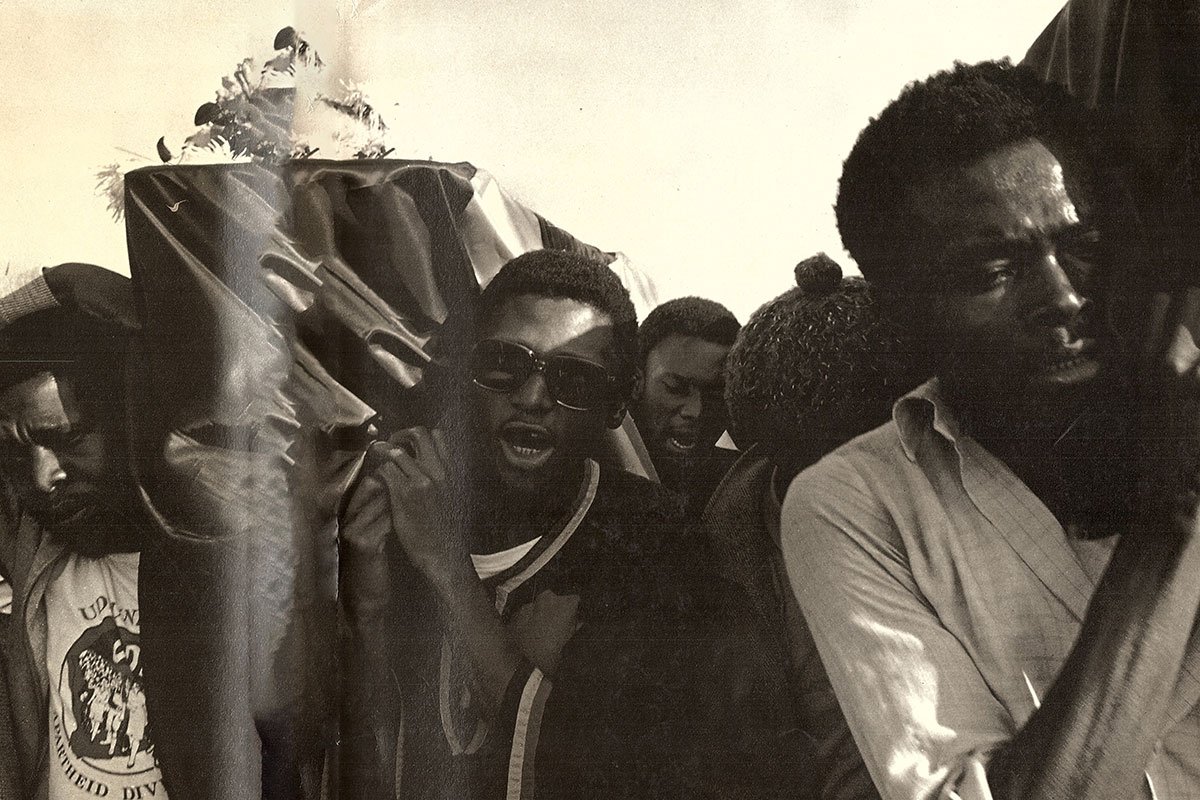
Based at the University of Cape Town, the Second Carnegie Inquiry into Poverty & Development in Southern Africa, directed by Francis Wilson, is conducted over a period of eight years. Intended to reveal what life under apartheid really means, it finds most Black South Africans endure far more acute poverty than did the Afrikaners studied 50 years earlier. The findings are disseminated widely and draw international condemnation, and many of the study’s investigators assume leadership positions in the post-apartheid government.
1983

Carnegie Corporation of New York, mindful of the escalating dangers of confrontation between nations with nuclear arsenals, begins the Avoiding Nuclear War program to help fill gaps in knowledge about the U.S.-Soviet relationship and nuclear policy. The program fosters independent research, policy analysis, and dissemination among scientists and policymakers, and supports public education about the nuclear threat.
1984
The Carnegie Forum on Education and the Economy convenes a task force to respond to the federally sponsored study, A Nation at Risk, which describes a rising tide of mediocrity in education that threatens America’s future. The task force calls for strengthening standards in teaching and professionalizing the teaching workforce. The Forum’s major report, A Nation Prepared: Teachers for the 21st Century (1986), leads to establishment of the National Board for Professional Teaching Standards.
1985
Under the leadership of President David Hamburg, Carnegie Corporation of New York provides a grant that launches the nongovernmental Aspen Institute Congressional Program to educate lawmakers about U.S.-Soviet relations. Among the earliest nonpartisan educational retreats of its type, the program continuously expands its agenda while becoming known as a way to look for common ground among lawmakers.
1986

The Carnegie Council on Adolescent Development is established to address this critical growth stage. The Council’s publication, Turning Points: Preparing American Youth for the 21st Century (1989), focuses national attention on the developmental needs and growing cognitive abilities of young adolescents and the critical importance of creating schools to maximize their positive transitions, close relationships, and full participation in society. These findings contribute significantly to middle school reform.
1989
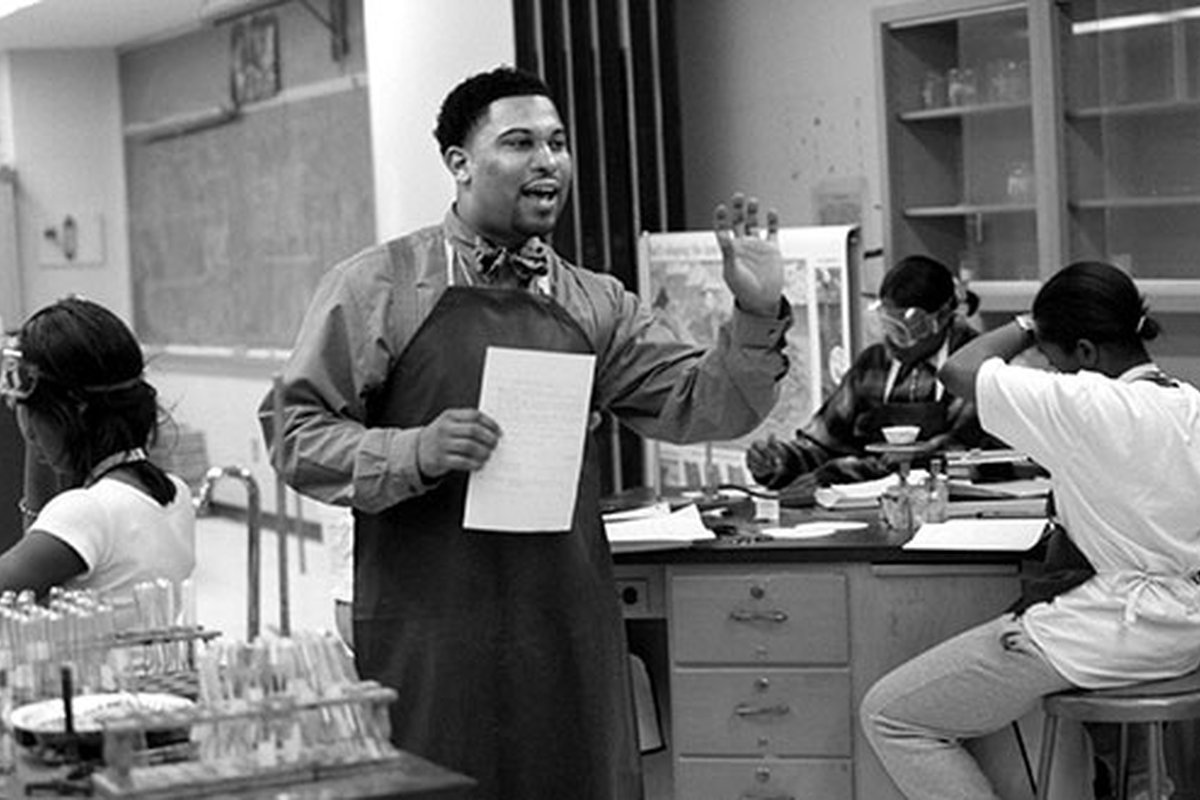
With funding from Carnegie Corporation of New York, the American Association for the Advancement of Science recruits expert panels of scientists, mathematicians, and technologists to address science and technology literacy, identifying what is most important for the next generation to know and be able to do in these fields. Their work results in two groundbreaking reports: Science for All Americans (1990) and Benchmarks for Science Literacy (1993). Recognizing that science taught in the nation’s schools needs to adequately prepare students for an increasingly complex science- and technology-driven world, the reports recommend a common core of learning to make all citizens science literate.
1990
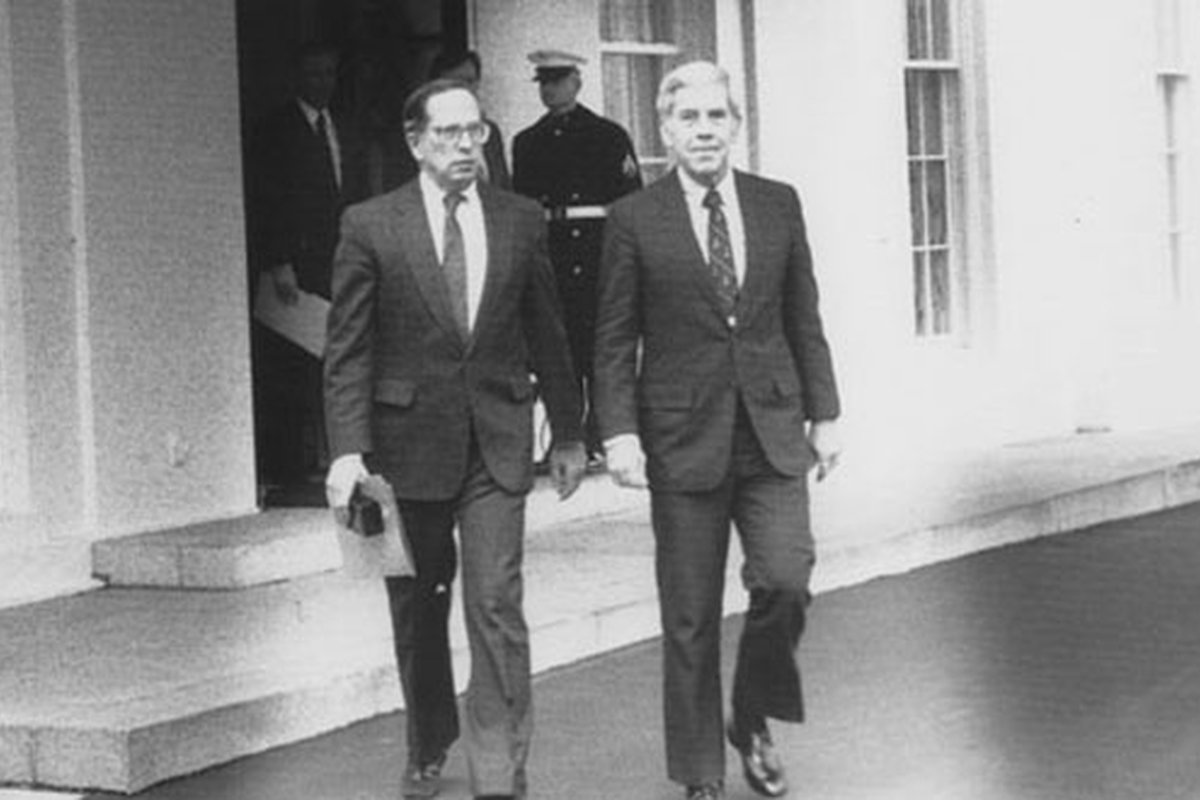
The Corporation initiates a series of grants to bring together experts concerned with post-Soviet nuclear nonproliferation. The Committee on Reducing the Nuclear Danger is formed first, then the Prevention of Proliferation Task Force (through grants to the Brookings Institution). The task force report is instrumental in the development of the 1991 Nunn-Lugar Cooperative Threat Reduction Program, which, by 2014, achieves the deactivation of 7,600 nuclear warheads and 2,500 missiles in the former Soviet Union.
1991

Carnegie Corporation of New York creates the Task Force on Meeting the Needs of Young Children to devise a coherent strategy to ensure that children are provided with a healthy start during the first three years of life. Its report, Starting Points: Meeting the Needs of Our Youngest Children (1994), presents a strong case for responsible parenthood, improved preventive care, and ample community support for families.
1993

With funding from the Corporation, Carnegie Endowment for International Peace establishes the Carnegie Moscow Center as the first independent think tank in Russia after the fall of the Soviet Union. Offering in-depth analysis and insight on the complex issues facing countries of the former USSR, the center’s priority areas are foreign policy and security strategy, domestic politics and economics, and societal trends.
1995

A grant from the Corporation supports the founding of the Brennan Center for Justice at the New York University School of Law. An independent, nonpartisan law and policy organization, the center’s activities range from advancing voting rights and campaign finance reform to racial justice in criminal law and presidential power in the fight against terrorism. A living memorial to Justice William Brennan’s belief in standing up for the downtrodden, the center remains a longstanding grantee.
1997

The Carnegie Commission on Preventing Deadly Conflict issues the last in a series of 59 publications resulting from research and discussion of new ideas on this critical topic among world leaders, policymakers, scholars, and informed members of the public. Operating since 1994, the commission’s findings on interstate and intrastate conflicts are largely responsible for the UN’s adoption of a worldwide culture of prevention meant to shape decent human relations at every level.
1999
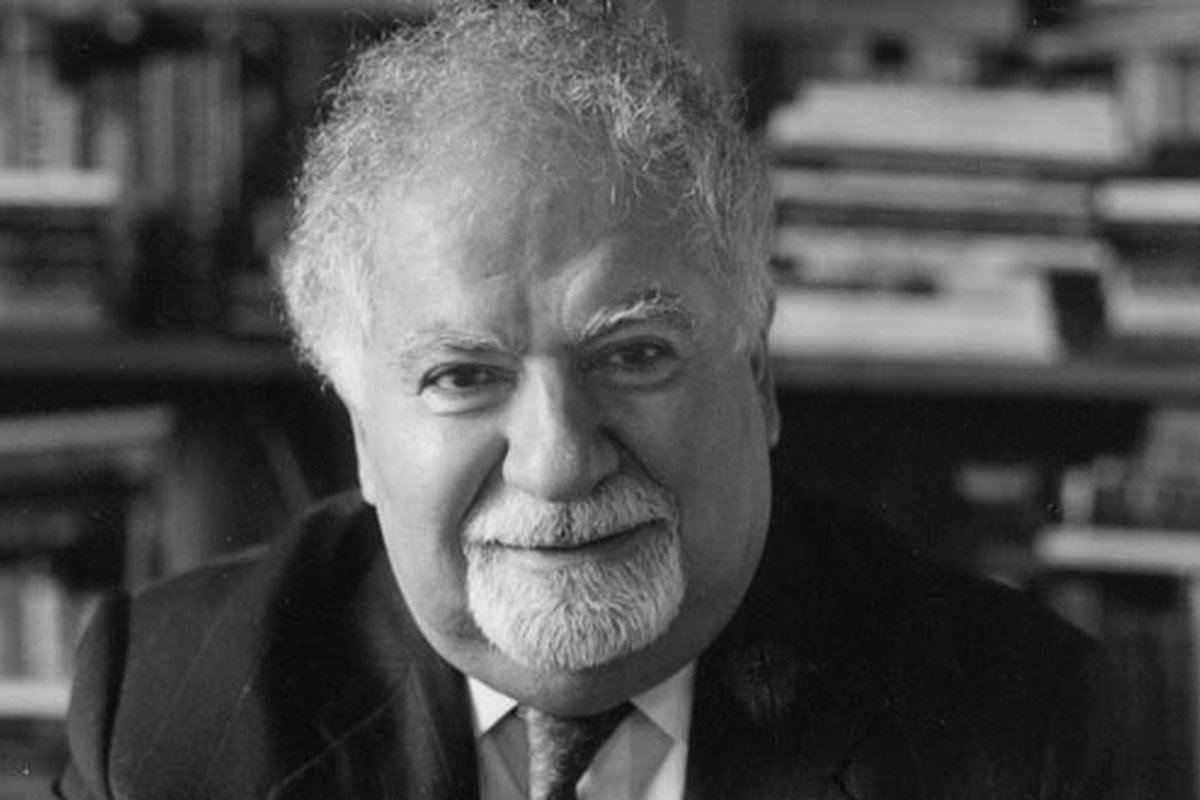
The Carnegie Scholars Program is established to support individual scholarship. Fellowships, with grants of up to $100,000, are awarded annually to support significant scholarly activity in U.S.-based universities.
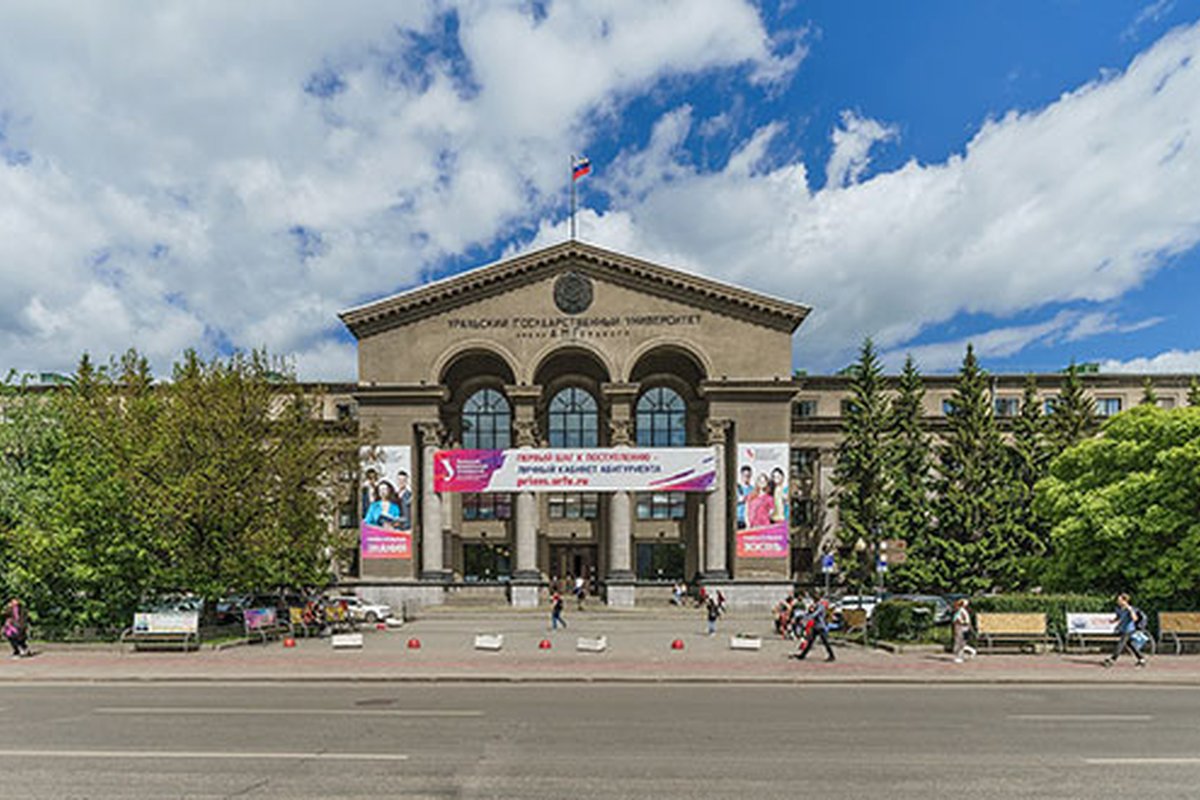
Carnegie Corporation of New York launches the Higher Education in the Former Soviet Union (HEFSU) initiative in response to the deterioration of Russian academia after the collapse of the Soviet Union. HEFSU seeks to establish nine university centers for interdisciplinary area studies, network building, and scholarly communications in Russia, Eurasia, and the United States, and to provide training to build up the administrative capacity of institutions of higher learning.
2000
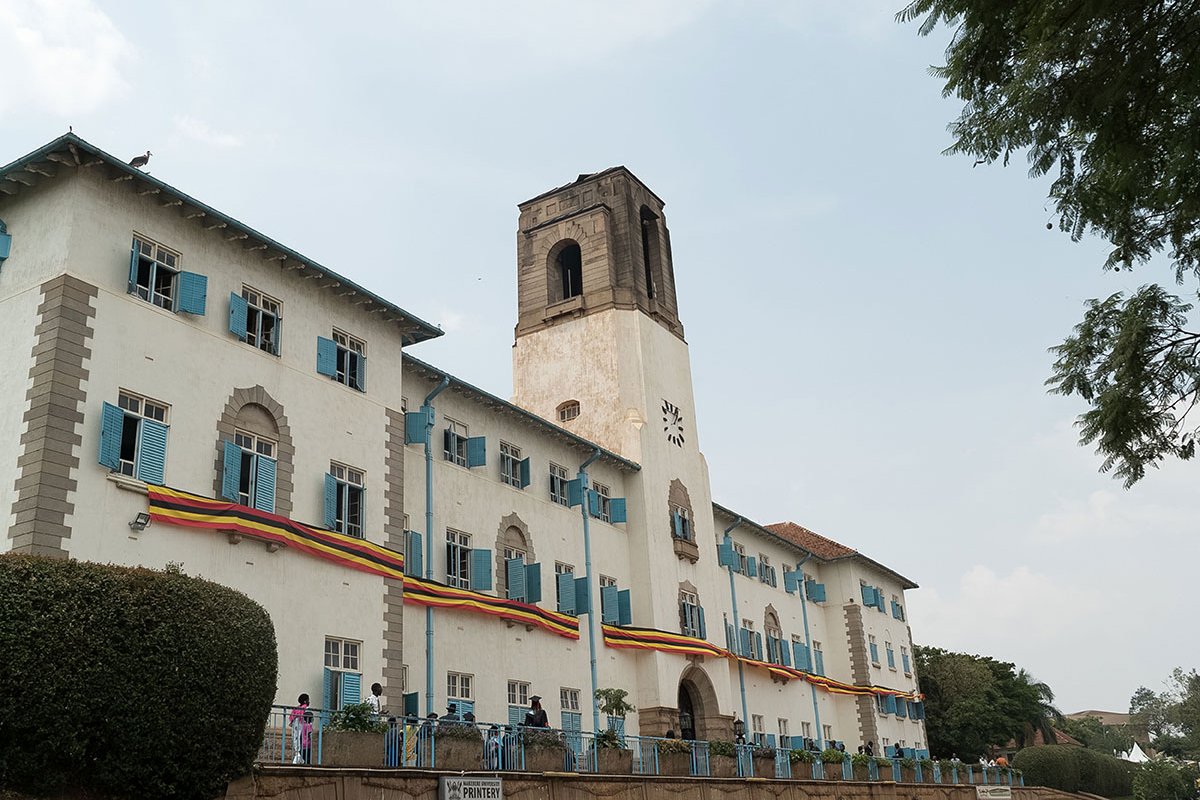
As charter members, the Corporation and the Ford, MacArthur, and Rockefeller foundations form the Partnership for Higher Education in Africa (PHEA). The collaboration, whose mission is to improve the educational capacity of selected universities in nine African countries, announces a goal of providing $100 million in support over five years, which it exceeds by $50 million. Among PHEA’s accomplishments are improvements in technological capacity, gender equity, access for marginalized groups, and policy research and advocacy.
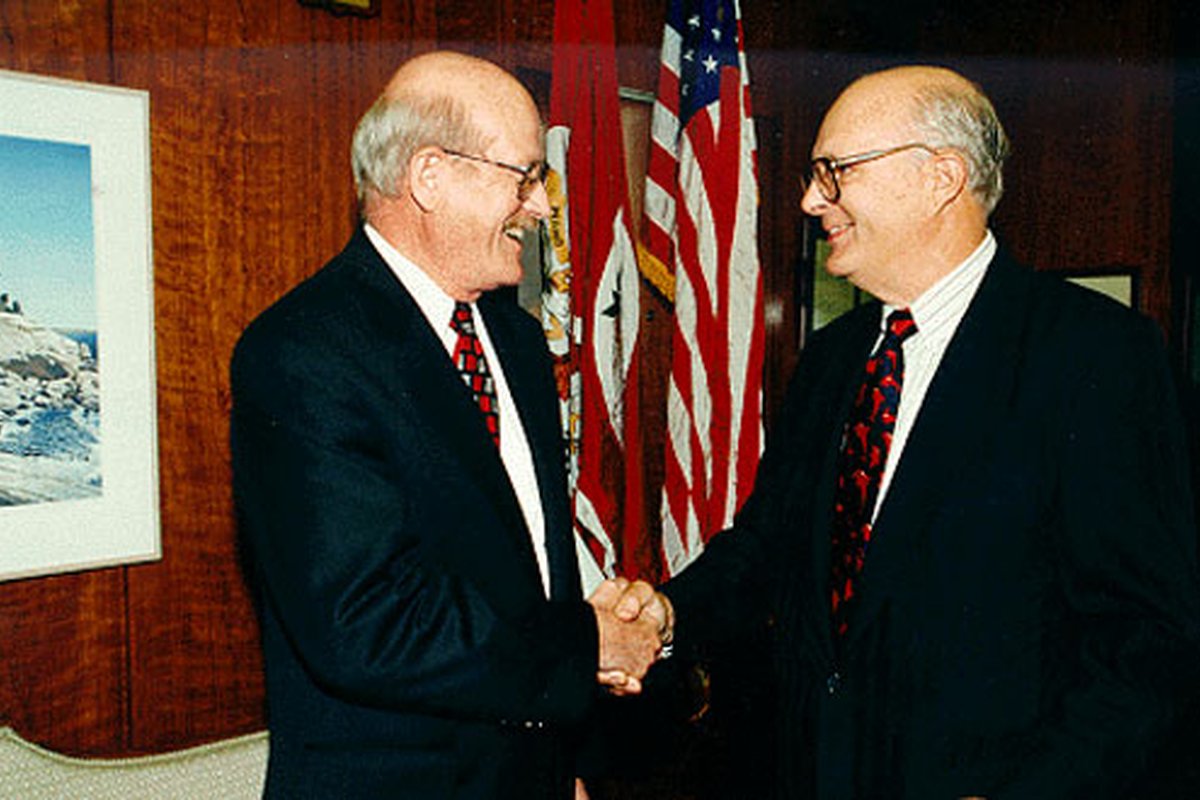
The first Science and Technology Adviser to the Secretary of State is appointed to enhance the role of science and technology in the State Department by offering evidence-based advice on emerging issues in the field and helping to shape policy with a global perspective. This appointment fulfills a concept proposed in 1993 in the concluding report of the Carnegie Commission on Science, Technology, and Government, formed in 1988.
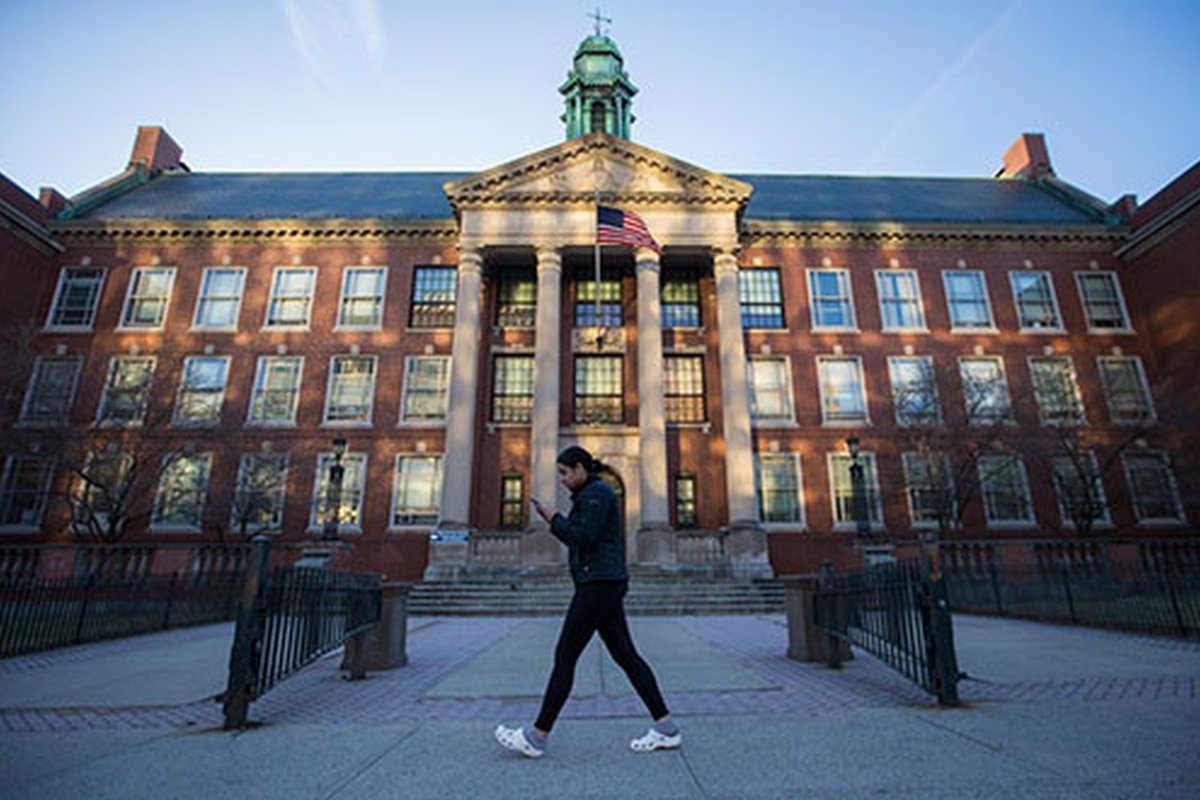
Carnegie Corporation of New York creates a new program, Schools for a New Society, with a $40 million commitment. The focus is on putting system-wide high school reform on the agenda of urban districts nationwide and advancing knowledge about the changes needed to substantially increase graduation rates.
2001

Corporation support helps create the Caltech/MIT Voting Technology Project. A joint research project between the Massachusetts Institute of Technology and the California Institute of Technology, it aims to develop new voting technologies for a secure and affordable uniform voting system. The project’s report calls for federal investment in this system and an independent agency to oversee performance and testing.
Teachers for a New Era (TNE) is launched with a $40 million investment from the Corporation to stimulate reforms in teacher education and develop state-of-the-art schools of education, beginning at eleven institutions. The major design principles of TNE are practices driven by evidence, instruction that includes the arts and sciences, and teaching as an academic area with clinical preparation,ƒprog such as residencies.
In partnership with the MacArthur Foundation and the Russian Ministry of Education and Science, Carnegie Corporation of New York funds Centers for Advanced Study and Education to enable universities in Russia to create vibrant academic hubs for scholars in the social sciences and humanities, and to promote interaction with academic communities in the West.

The international family of Carnegie institutions establishes the Carnegie Medal of Philanthropy. Awarded every two years, it recognizes outstanding individuals who, in the spirit of Andrew Carnegie, have dedicated their private wealth to the public good.
2002
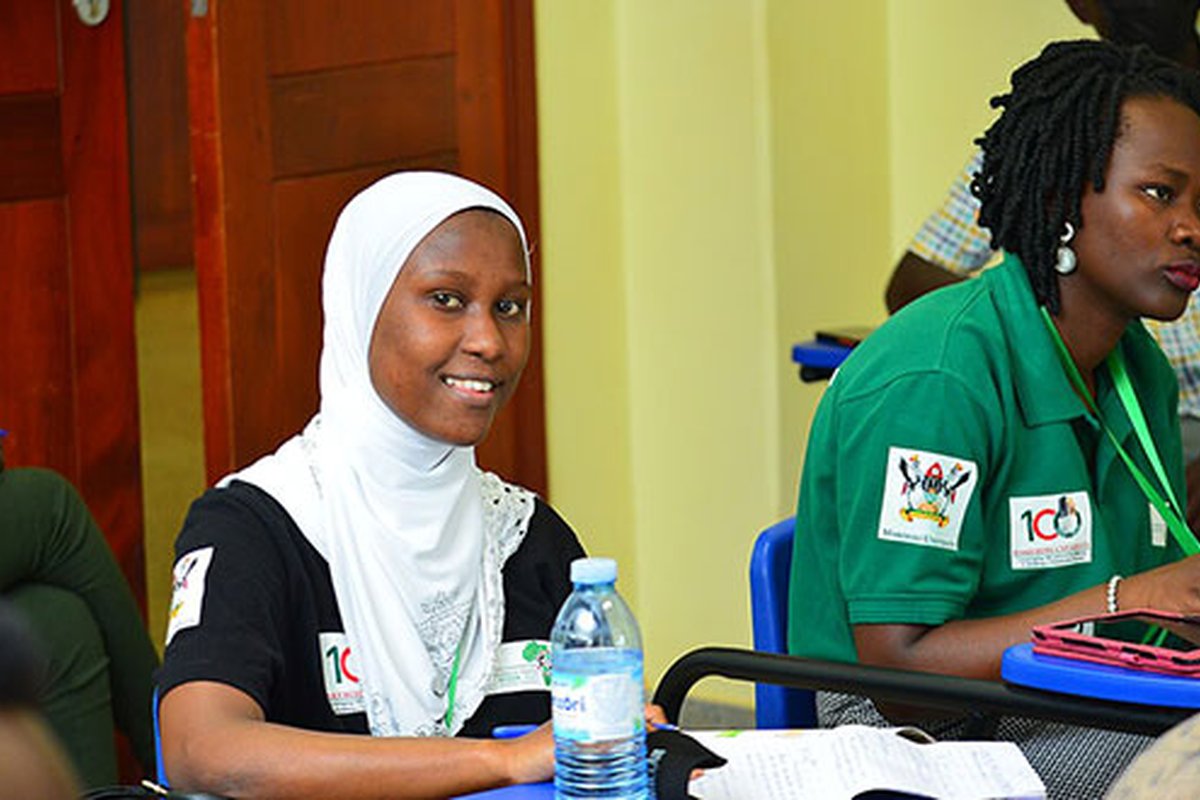
As part of its work on strengthening African universities, the Corporation commits full funding to provide scholarships for three cohorts of young women as part of its International Development program and its strategy of enhancing women’s educational opportunities at African universities. The scholarship programs serve female undergraduates in South Africa, Tanzania, Uganda, Nigeria, and Ghana, as well as gender equity efforts within select universities. The two-pronged strategy aims to help individual women while making support for women students, professors, administrators, and staff part of the culture of African universities.
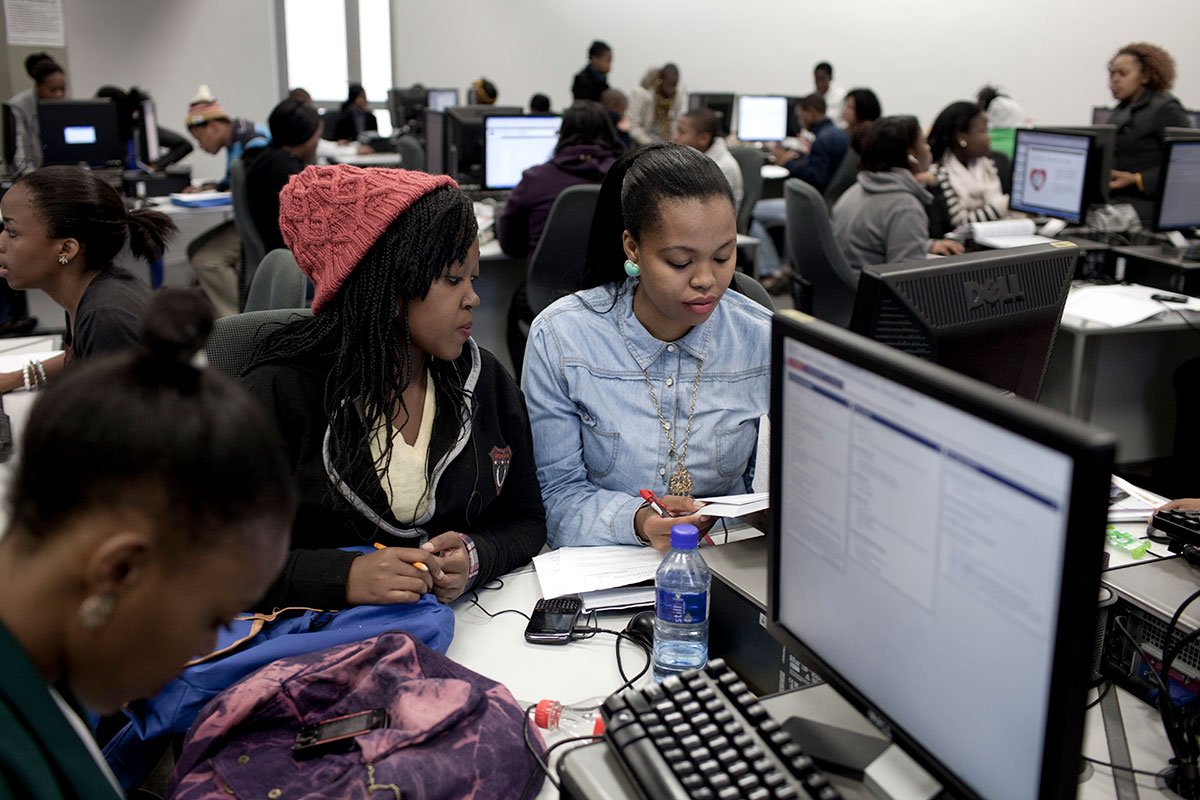
Recognizing that underfunding hinders most African libraries’ ability to provide essential services, Carnegie Corporation of New York undertakes the Revitalizing African Libraries program. It revamps public libraries in South Africa and strengthens libraries in selected universities there as well as in Uganda, Tanzania, Ghana, and Nigeria.

Carnegie Corporation of New York conceives and develops the Biosecurity Integration Initiative, a cluster of projects facilitating interaction between policymakers and scientists within the U.S., to inform researchers about the potentially dangerous dual-use aspects of their work. Comprising an array of educational programs and forums at five partner universities, this initiative builds on the Corporation’s wide-ranging efforts regarding chemical and biological weapons.
2003

In partnership with the Center for Information and Research on Civic Learning and Engagement at the University of Maryland, Carnegie Corporation of New York publishes The Civic Mission of Schools. The report makes specific recommendations on restoring civics to the K–12 curriculum nationwide.
The Corporation, in partnership with MacArthur Foundation, funds the National Academy of Science’s Jefferson Science Fellows Program. Its mission is to engage American science, technology, and engineering communities in formulating and implementing U.S. foreign policy. Each Jefferson Fellow, a tenured academic scientist or engineer from a U.S. institution of higher learning, spends one year advising the U.S. Department of State or the U.S. Agency for International Development on rapidly advancing areas of science and technology. The Department of State later institutionalizes the program.
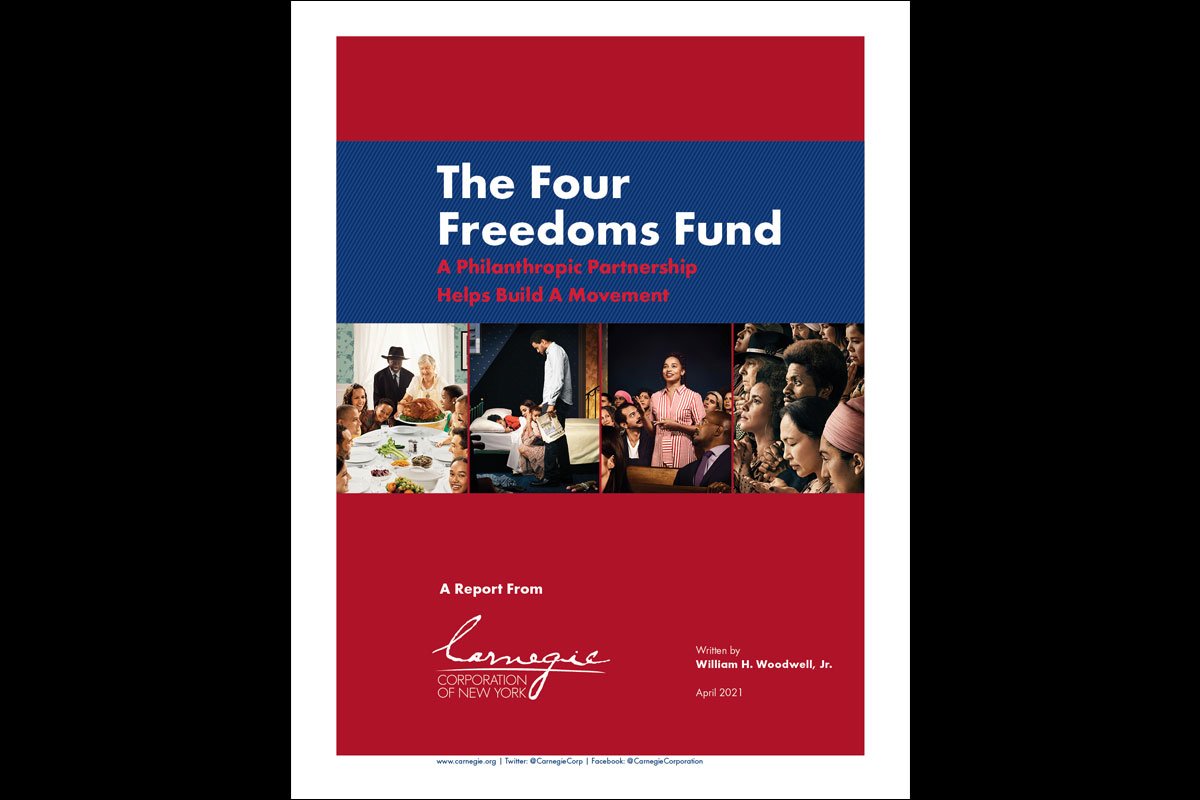
The Corporation joins a group of funders to create the pioneering Four Freedoms Fund to grow and strengthen the network of immigrant rights organizations working at state and local levels across the country. The Fund makes it possible for grants totaling tens of millions of dollars to be distributed to advocacy work promoting integration of immigrants into their communities.

Vartan Gregorian’s “Report of the President” in Carnegie Corporation of New York’s 2001 Annual Report is published separately by the Brookings Institution as Islam: A Mosaic, Not a Monolith. The book provides direction for the development of a new program area addressing Islam and the Middle East as well as the Carnegie Scholars Program, which funded over 125 books by a new generation of researchers and educators covering the diversity of Muslim societies.
2004

Carnegie Corporation of New York grantee the Bipartisan Policy Center releases The 9/11 Commission Report, the public report of the independent, bipartisan commission chartered to prepare a full and complete account of the circumstances surrounding the September 11, 2001, terrorist attacks, including preparedness for and the immediate response to the attacks. The Commission, chaired by former Governor Thomas Kean, is also mandated to provide recommendations designed to guard against future attacks.

The Corporation supports the 9/11 Public Discourse Project, which ensures that the recommendations of the National Commission on Terrorist Attacks Upon the United States (the 9/11 Commission) continue to be disseminated, discussed, and debated.
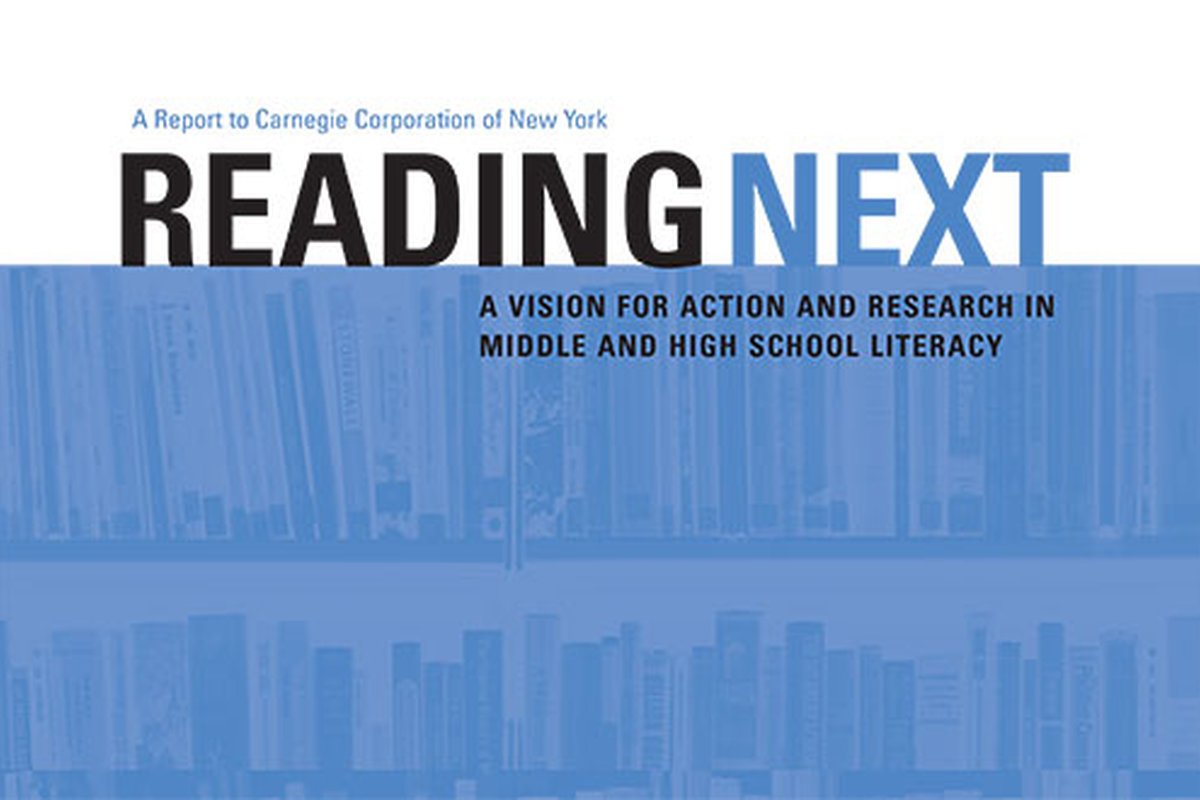
The Carnegie Advisory Council on Reading to Learn is formed to promote better literacy practices beyond grade three and to help close the performance gaps in intermediate and adolescent literacy. It produces Reading Next: A Vision for Action and Research in Middle and High School Literacy to inform educators, policymakers, and the general public about the country’s literacy crisis and to identify the key elements of effective adolescent literacy programs.
2005

The Carnegie-Knight Initiative on the Future of Journalism Education is launched in partnership with the John S. and James L. Knight Foundation. Its goal is to revitalize journalism education through curriculum enrichment, news training, experimentation, and other innovations needed to prepare future generations of journalists.
2006

Building upon its Cold War-era achievement of an informal communications network among Soviet and American leaders, Carnegie Corporation of New York marks the start of a significant role in supporting Track II Diplomacy. The Corporation funds a series of unofficial, diplomatic dialogues with representatives of the United States, the Democratic People’s Republic of Korea, and other regional powers, leading to improved communication and cooperation among nuclear weapons states.
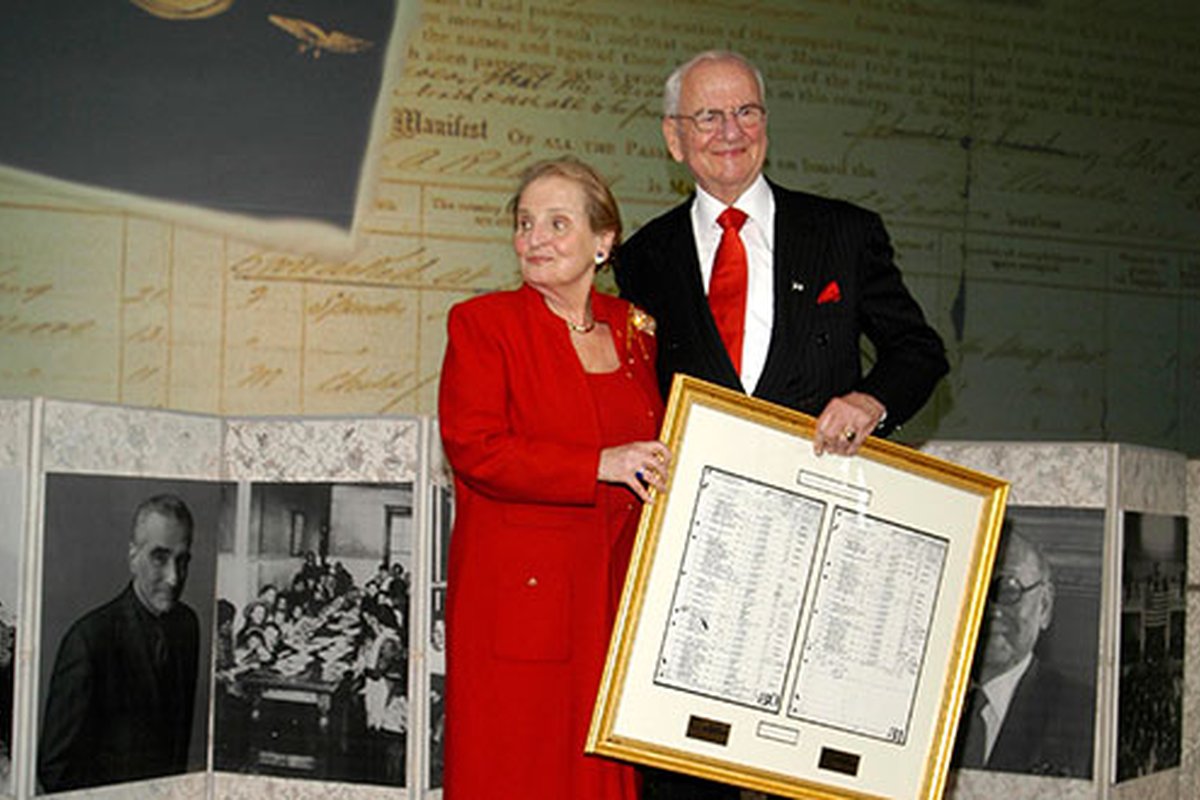
On July Fourth, Carnegie Corporation of New York launches its annual Great Immigrants, Great Americans recognition program, a tribute to naturalized citizens like Andrew Carnegie who have made exemplary contributions to American society. Born in Scotland, Carnegie founded more than 20 philanthropic organizations, including the Corporation — a grantmaking foundation established in 1911 to advance the causes of democracy, education, and international peace.
2007

The Corporation provides $10 million for the second phase of its New Century High Schools Consortium for New York City initiative. Its goal is to redesign low-performing schools through leadership development and more academically rigorous curriculum, improving outcomes for more than 30,000 New York City students by preparing them for college and meaningful employment.
Carnegie Corporation of New York and the Institute for Advanced Study create a Commission on Mathematics and Science Education to assess these fields in the U.S. and develop actionable recommendations that prepare American students for the rapidly changing world. The Commission’s publication, The Opportunity Equation: Transforming Mathematics and Science Education for Citizenship and the Global Economy(2009), supports the creation and adoption of the Common Core State Standards and the evolution of Next Generation Science Standards.
2008
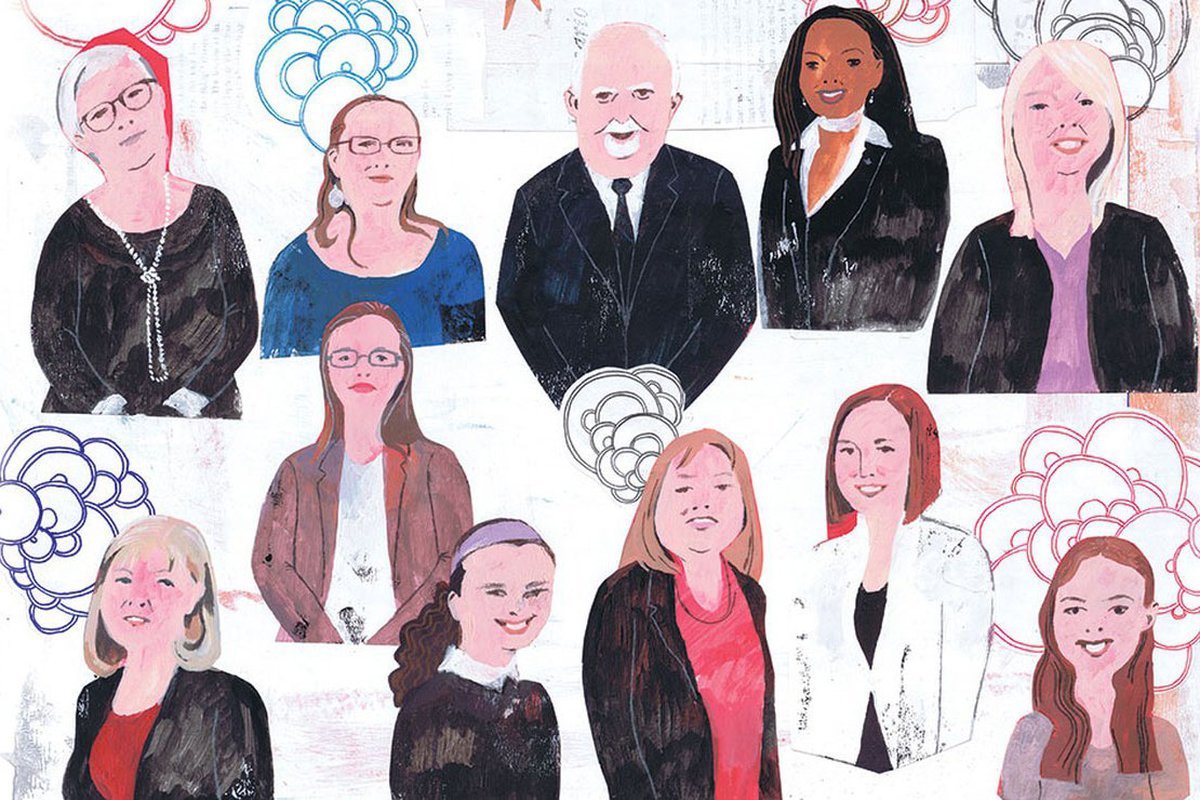
The Corporation partners with the American Library Association and the New York Times to create the national I Love My Librarian award. Each year, the award recognizes 10 exceptional librarians, nominated by patrons, for their expertise, dedication, and profound impact on the people in their communities.

Carnegie Corporation of New York supports the establishment of the Africa Regional Initiative in Science and Education to help increase the number of well-trained university faculty prepared to teach the next generation of African scientists and engineers. The initiative underscores the importance of indigenous science, technology, and engineering capacity to the reduction of poverty and to the advancement of economic and social development in Africa. It strives to ensure that more young African scientists will build the research and teaching careers needed in their home countries or regions.

With the first in a series of grants, the Corporation funds the National Bureau of Asian Research, aiming to strengthen the field of China studies in the United States. The institution trains the next generation of Asia specialists and brings distinguished scholarship to bear on the evolving strategic environment in Asia through original, policy-relevant research.
2009
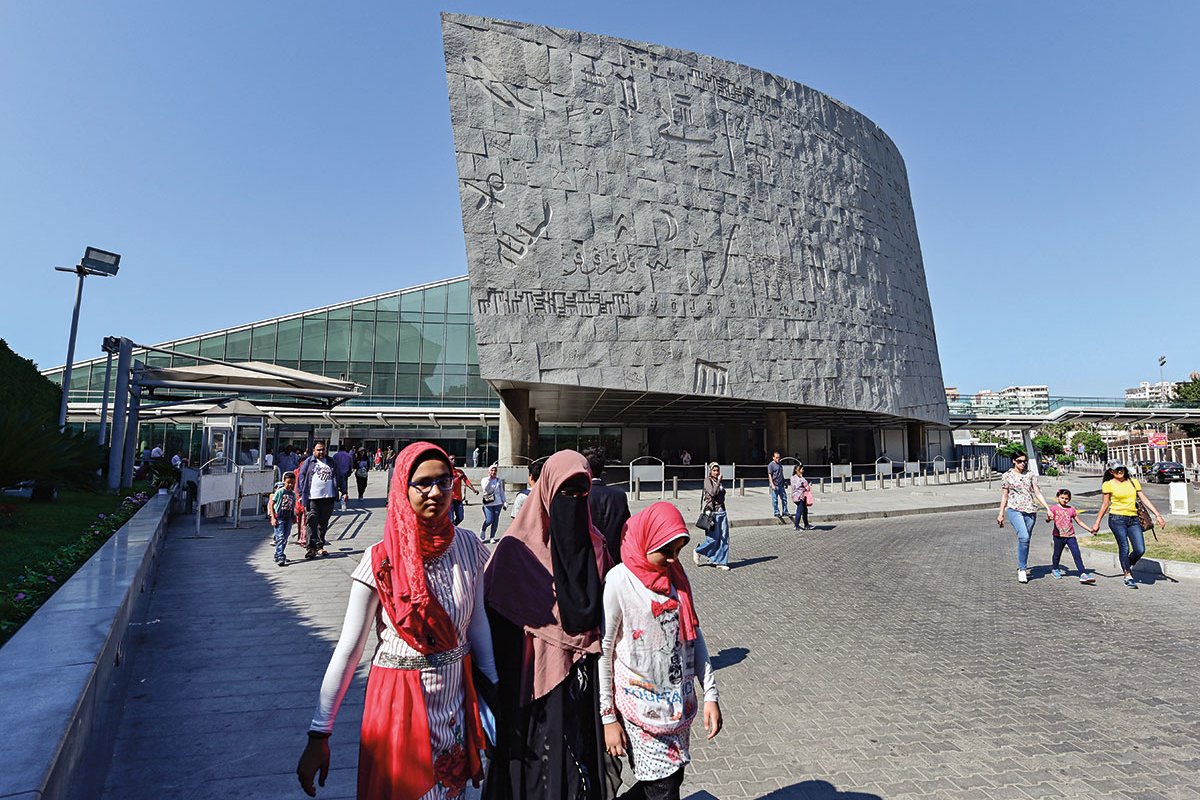
The Corporation provides an initial grant to Egypt’s Bibliotheca Alexandrina (Library of Alexandria) to reissue and digitize modernist publications from Muslim societies. This funding represents part of a growing focus on the large-scale digitization of significant materials at libraries in the Middle East as well as in the United States, including at the Library of Congress.
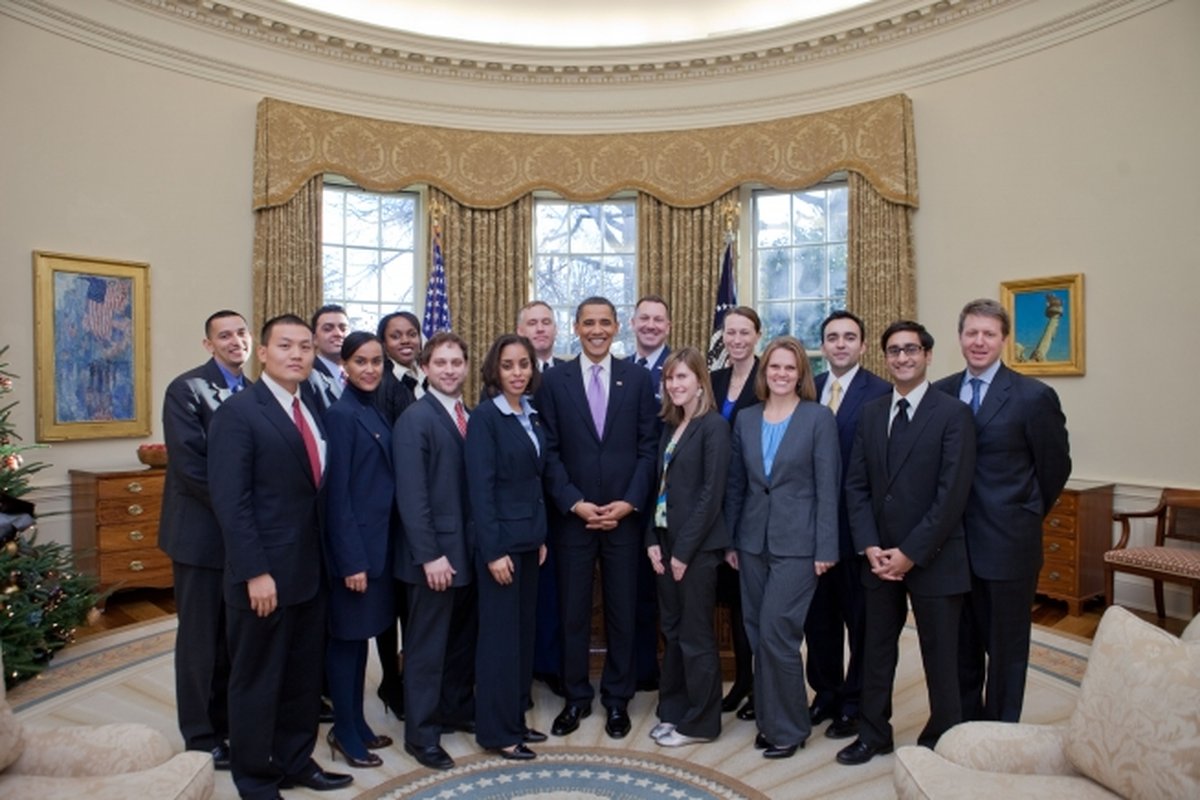
President Barack Obama appoints Vartan Gregorian to the President’s Commission on White House Fellowships to recommend candidates for firsthand experience working at the highest levels of the federal government. With the financial support of the Corporation, the nonpartisan training program was started in 1964 at the suggestion of John Gardner, president of the foundation from 1955 to 1967.
2010

As part of its Democracy grant portfolio, Carnegie Corporation of New York helps establish the State Infrastructure Fund, a donor collaborative based at NEO Philanthropy, a longstanding grantee with a social justice mission. NEO works to increase civic participation and advance voting rights among people of color and other historically underrepresented communities.
2011
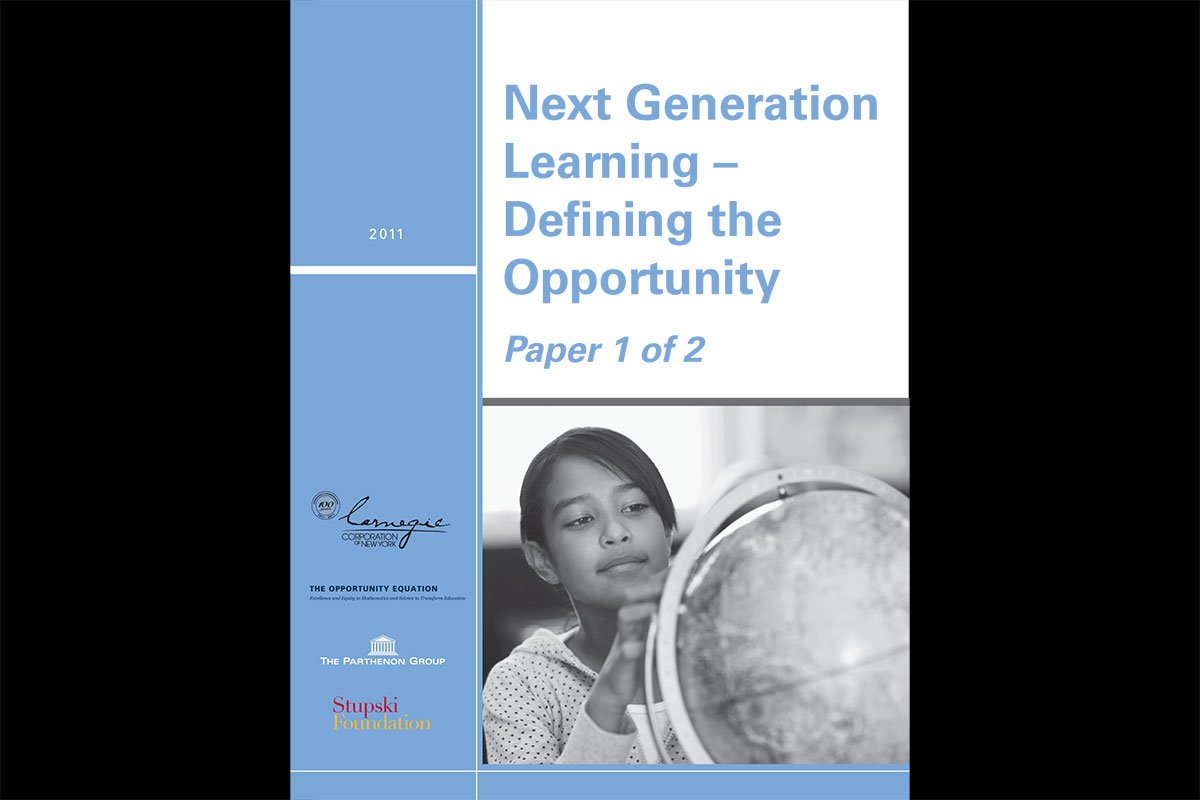
Carnegie Corporation of New York publishes Next Generation Learning: Defining the Opportunity, which lays the groundwork for a significant commitment to the development and scaling of personalized learning models. Designed to improve results with effective teaching and technology, these learning models tailor instruction to students’ needs, skills, and interests.
2012

The Corporation joins philanthropic peers to launch the nonpartisan New Americans Campaign with a nationwide network of more than 80 organizations. Administered by the Immigrant Legal Resource Center, the goal of the network is to modernize the naturalization process for legal permanent residents and encourage them to become American citizens.

In the wake of the Arab Spring, the Corporation awards the first of many grants to the Beirut-based Arab Council for the Social Sciences. The independent nonprofit institution is designed to inform public debate and public policy through the creation, dissemination, and application of social science research.
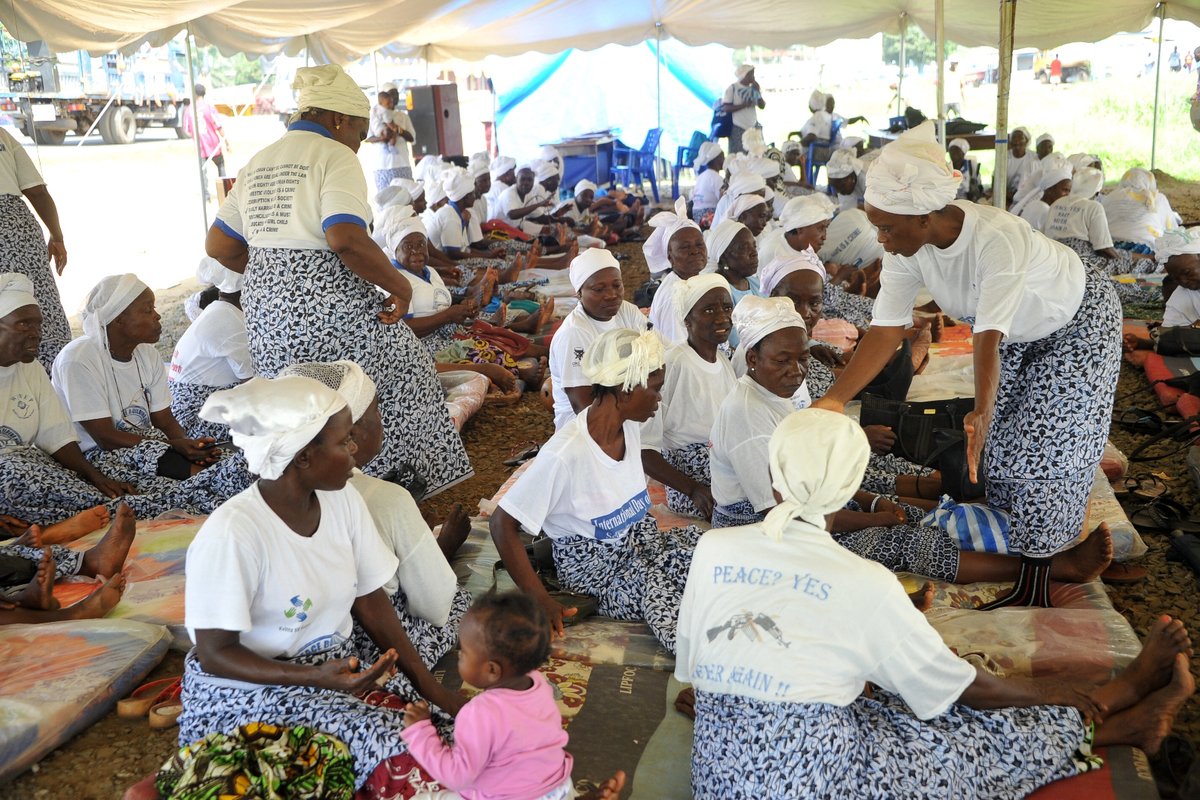
The Corporation funds the launch of the African Peacebuilding Network, administered by the Social Science Research Council, an international nonprofit organization. Through fellowships and working groups, the program supports independent African research on conflict-affected countries and neighboring regions of the continent, as well as the integration of African knowledge into global policy communities.
2013
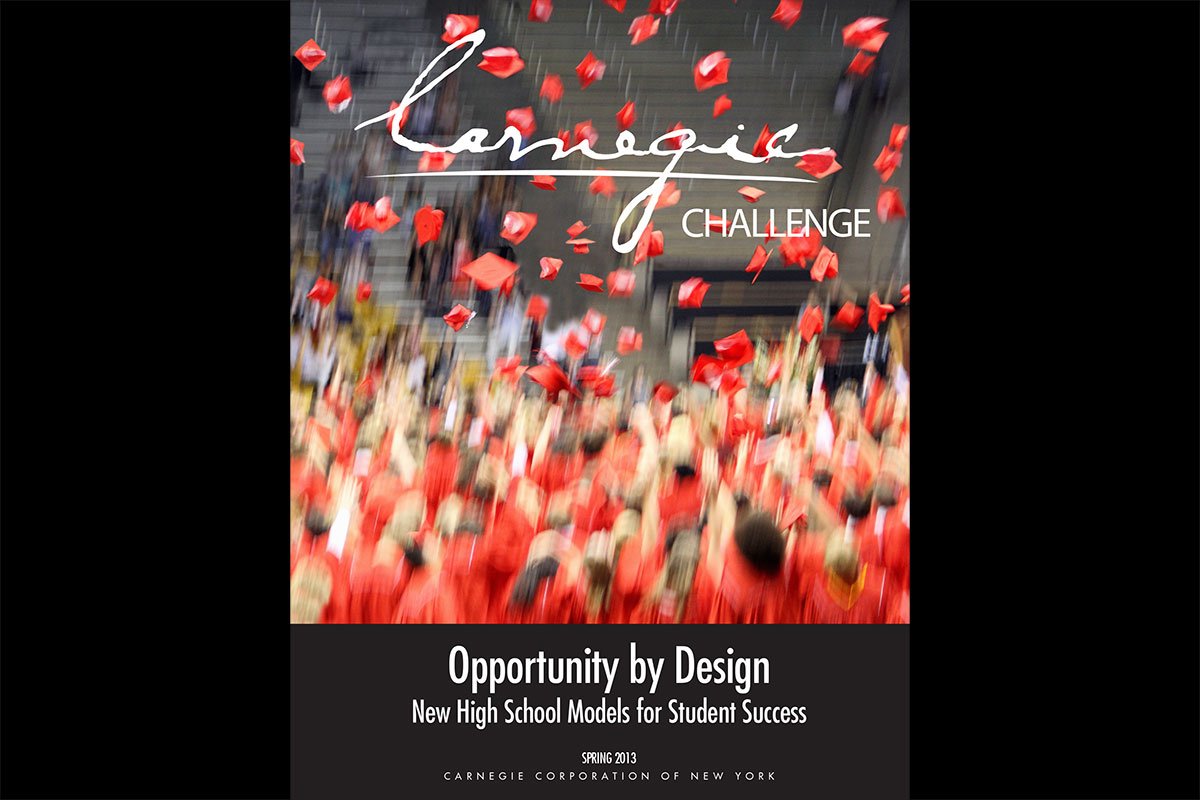
The Corporation publishes Opportunity by Design: New High School Models for Student Success, a challenge paper providing strong evidence that a new education model is necessary to implement the Common Core State Standards. The report describes successful school design efforts that achieve scale, including the New York City Small Schools of Choice initiative and the expansion of the North Carolina early college high school model.
Making a significant commitment to higher education in Africa, the Corporation creates the Carnegie Africa Diaspora Fellowship Program. The program, administered by the Institute of International Education, establishes faculty exchanges between African diaspora academics in Canada and the United States and African institutions of higher education, with the goal of promoting scholarly and curricular collaborations.
2014
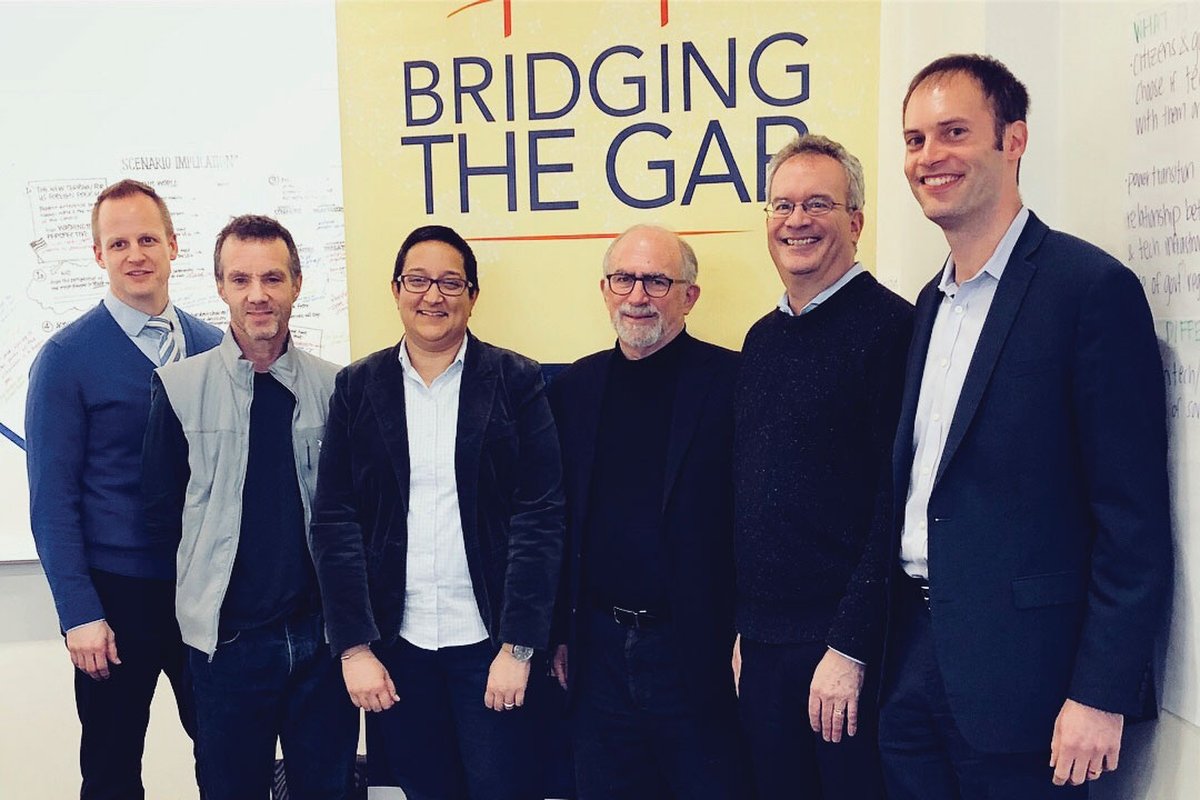
The Corporation launches a major initiative aimed at bridging the gap between academic social science and international security policymaking. Senior scholars with high-level policy experience are paired with junior scholars seeking to address real-world problems in order to develop novel and creative solutions to complex global issues.
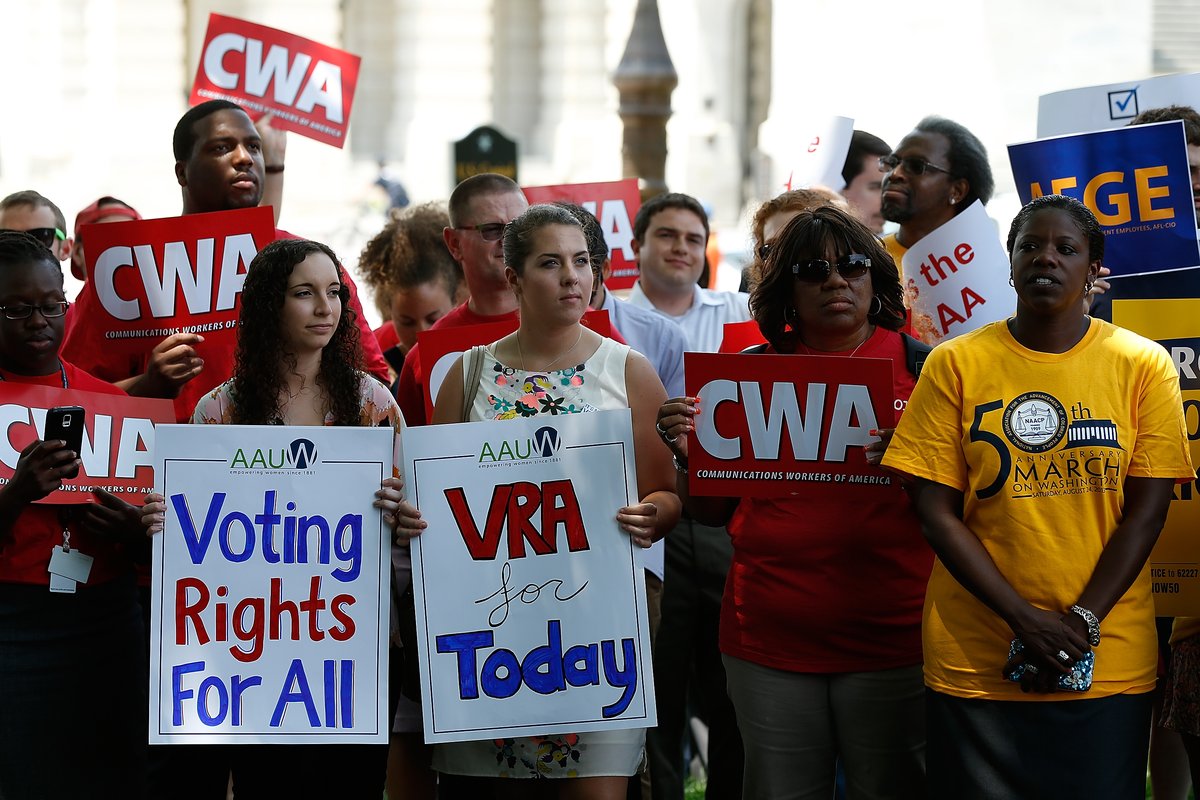
One year after the Supreme Court’s ruling in Shelby County v. Holder undercuts the Voting Rights Act, the Corporation funds the Voting Rights Working Group. This coalition of organizations, based at the Mexican American Legal Defense and Educational Fund, assumes a leading role in protecting and defending voting rights.

A new grantmaking area focuses on disruptive technologies and nuclear risk. The goal is to anticipate potential problems and develop forward-thinking approaches to understanding how breakthrough technologies are increasing nuclear instability worldwide.
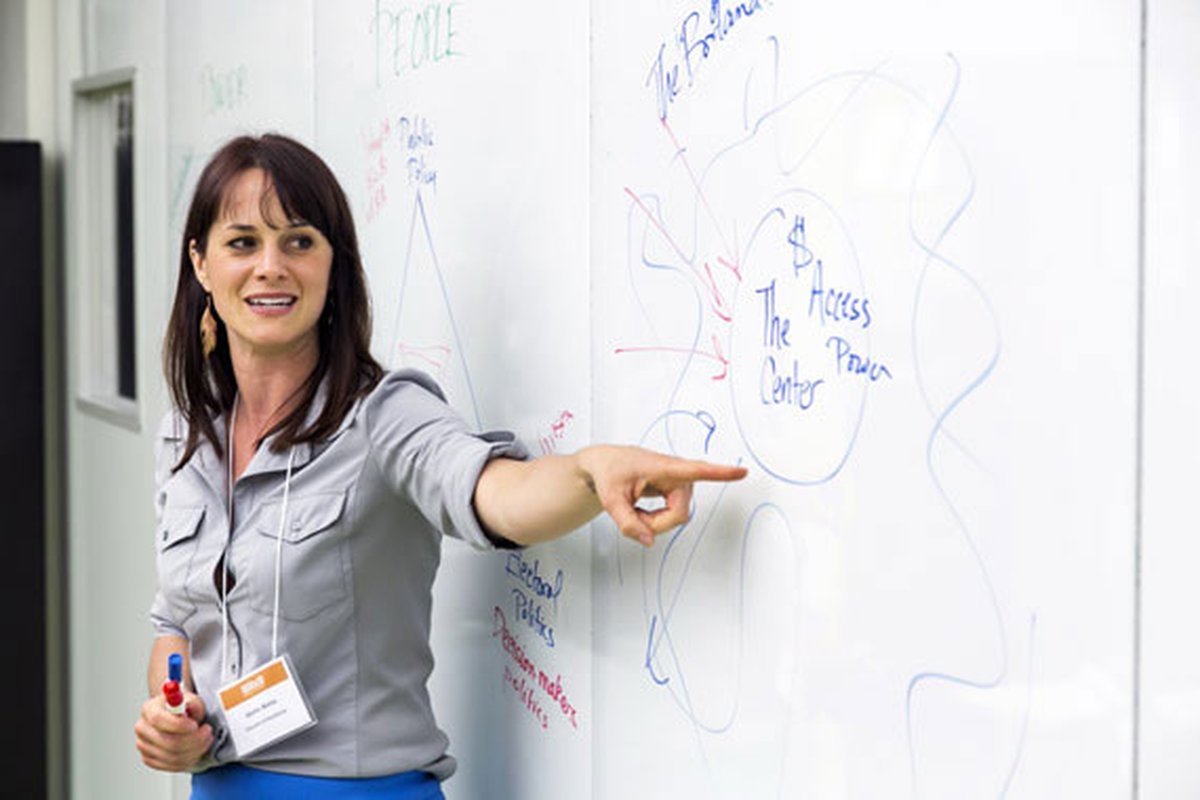
Carnegie Corporation of New York funds 100Kin10, a nonprofit that began as a program area at the Corporation. 100Kin10 is dedicated to adding 100,000 excellent math and science teachers to America’s classrooms within 10 years. Building on the momentum of The Opportunity Equation (2009), 100Kin10 aspires to solve one of the country’s most pressing challenges – giving all students a great STEM education by fostering a pipeline of qualified teachers.
2015

The Andrew Carnegie Fellows Program is established in 2015 under the guidance of Vartan Gregorian, twelfth president of the foundation, who often noted that an important fellowship early in his career contributed to his success in higher education and then philanthropy. The program recognizes a select group of extraordinary scholars and writers who receive philanthropic support for scholarship in the humanities and social sciences that addresses important and enduring issues confronting our society.
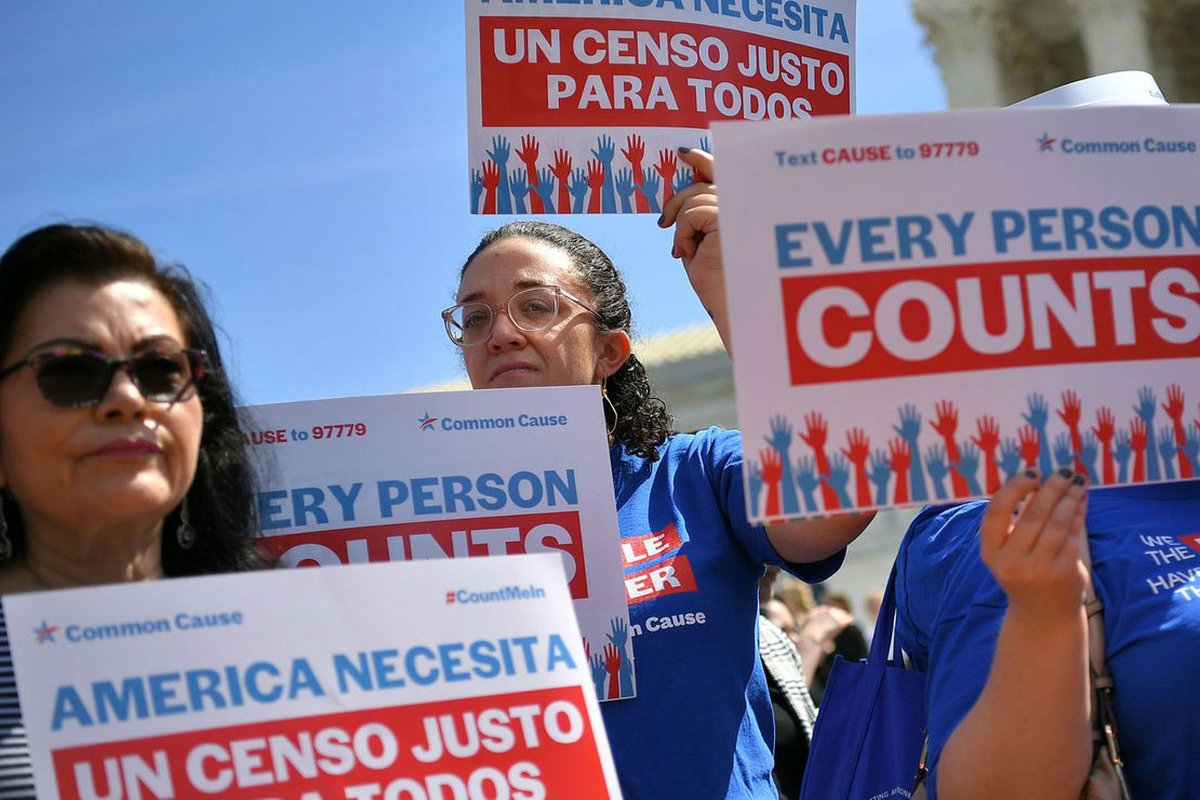
In preparation for the 2020 Census, the Corporation joins peer funders to establish a collaboration known as the Funders Census Initiative. Its goal is to educate decision makers on census design and implementation and to address challenges that could impede an accurate count, especially among hard-to-count populations that were underrepresented in the 2010 census.
2016
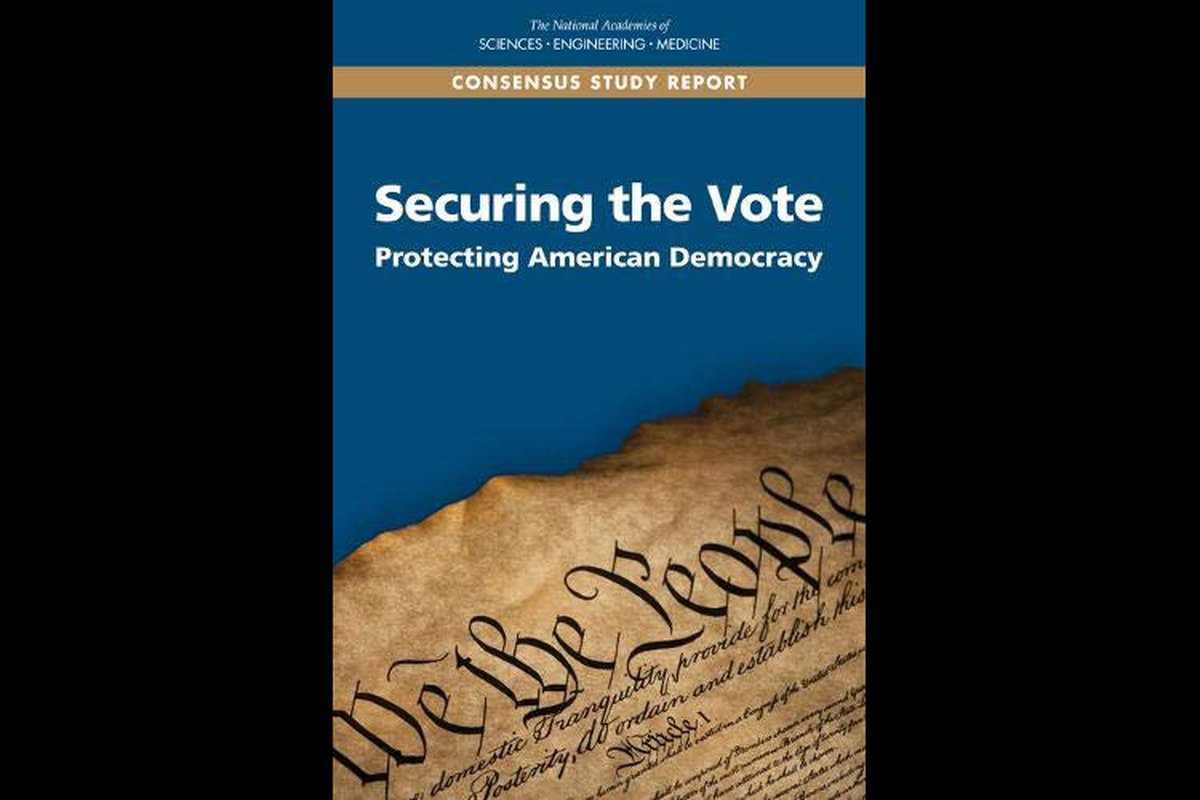
Prompted by challenges to the 2016 federal elections, the Corporation funds the National Academies of Sciences, Engineering, and Medicine to assess the current state of voting technology and procedural standards. The resulting report, Securing the Vote: Protecting American Democracy (2018), provides recommendations that federal, state, and local governments, election administrators, and vendors of voting technology can follow to improve the security of election infrastructure.
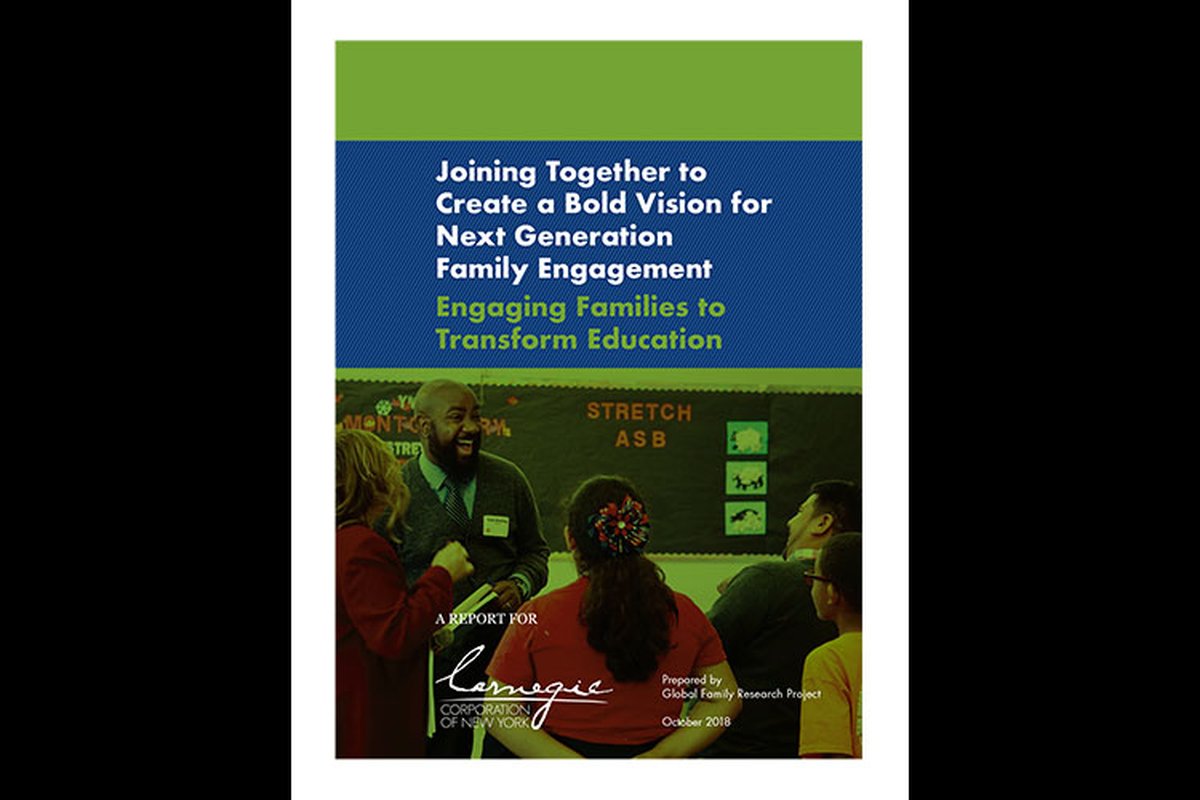
The education nonprofit Learning Heroes conducts a national survey funded by Carnegie Corporation of New York. Parents 2016: Hearts & Minds of Parents in an Uncertain World marks the start of an annual opinion poll whose findings contribute to the Corporation’s growing focus on family engagement. These efforts include the 2018 challenge paper Joining Together to Create a Bold Vision for Next Generation Family Engagement: Engaging Families to Transform Education, which aims to build support among policymakers, school leaders, practitioners, and other funders.
2018
Carnegie Corporation of New York funds the establishment of OpenSciEd, a collaboration that brings together states, curriculum developers, national science education leaders, and experts to create research-based, openly licensed K–12 science instructional materials — available to any science teacher anywhere at no cost. This nonprofit collaboration builds on the vision for science literacy described in the 2012 study, A Framework for K–12 Science Education: Practices, Crosscutting Concepts, and Core Ideas, and the Next Generation Science Standards, two initiatives funded by the Corporation.