
Polarization: What Are We Learning?
Research by the 2025 class of Andrew Carnegie Fellows will examine the causes of division in America
By Carnegie Corporation of New York
Apr 11, 2025
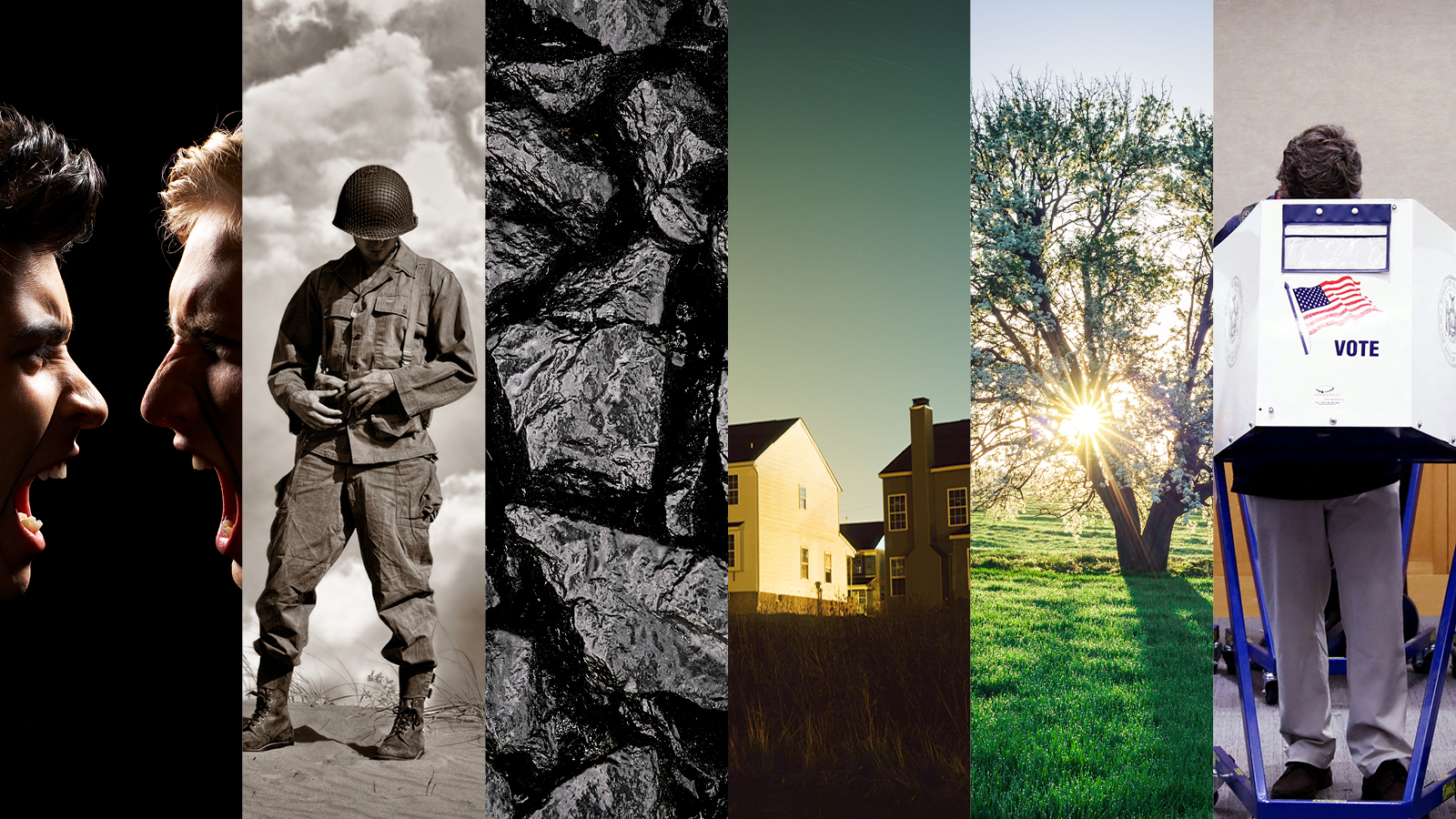
Surveys show a growing number of young American men believe men are being treated unfairly in society. New research asks how beliefs like these contribute to political polarization.
Many of us now live in neighborhoods surrounded by people who vote like us. A new project examines the data to understand how this could be shaping our political views.
Does your state make it easy or hard to vote? New research will analyze how Americans’ voting experiences are becoming more polarized, and whether that’s making our views on voting more polarized, too.
These are among the 26 research projects funded by Carnegie Corporation of New York through its 2025 Class of Andrew Carnegie Fellows, each of whom have received a $200,000 grant to pursue their projects and share their knowledge with the public. The program is currently committed to spending three years focused on the causes of political polarization and finding ways to help decrease it.
Our newest fellows are asking bold questions about what’s driving division in America — and pursuing solutions that reach into our communities, voting systems, and digital spaces.
Here’s a preview of some of their work:
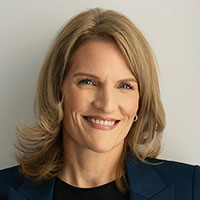 Investigating the ‘manosphere’
Cynthia Miller-Idriss, American University
What We Know
Women now outnumber men among higher education degree earners, while traditionally male-dominated jobs have declined. Meanwhile, men are more likely to die from overdose, suicide, and alcohol abuse, amid surging reports of male loneliness, depression, anxiety, and isolation. In online spaces for young men, these grievances are filtered through narratives that blame women and feminism for taking men’s opportunities.
Key Questions
Are sexist views fueling political polarization and antidemocratic mobilization in America? Why is misogyny such a significant predictor of mass violence?
Goals
Publish a book with explicit strategies to deal with misogyny’s impact on democracy, including by addressing the challenges young men face.
 When war brings extremism home
Barbara Elias, Bowdoin College
What we know
Veterans of counterinsurgency warfare often carry profound psychological burdens: four times as many U.S. veterans of post-9/11 conflicts and active-duty personnel have died by suicide than in combat. At the same time, nearly one in five of the January 6th rioters served in the U.S. military, many of them in Iraq or Afghanistan.
Key Questions
Why would wars meant to create stability abroad bring instability home? How does failed counterinsurgency abroad contribute to domestic radicalization?
Goals
Analyze primary source documents, including court records and declassified intelligence files, to identify risk factors for extremist politics among former counterinsurgents; share the findings with the public.
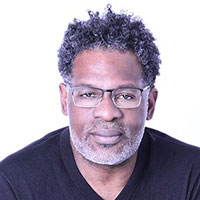 How do communities of color respond to polarization?
Christopher Sebastian Parker, University of California, Santa Barbara
What we know
Roughly one-third of today’s eligible voting population belongs to communities of color. The U.S. is expected to become a majority-nonwhite country by 2045. Race is a component of partisan identity, where the Republican party is often associated with whites and the Democratic party with communities of color.
Key Questions
How does polarization, through the idea of racial threat (the “great replacement theory”), mobilize communities of color? Does it cause them to embrace the political system or become alienated from it?
Goals
Collect data from a panel study of people of color to assess their responses to racial threat over time and how it impacts their views on democracy; publish the findings in a book.
 A story of two coal towns
Jessica M. Smith, Colorado School of Mines
What we know
Energy transition is unsettling America’s coal country. That includes Gilette, Wyoming — whose politics have grown extreme as it doubles down on fossil fuels — and Pueblo, Colorado, which is working against partisanship as it pivots toward clean energy.
Key Questions
Why are these coal towns, separated by 450 miles of railroad track, taking such different paths? How do residents’ feelings about work affect their sense of national belonging?
Goals
Publish a book about these coal towns to help the country envision an energy transition that strengthens civic life.
 Do our neighborhoods polarize us?
Jacob Brown, Boston University
What we know
Increasing numbers of voters live with little exposure to neighbors who voted differently. Measurement challenges make it difficult to link geography to political behavior.
Key Questions
Does political homogeneity perpetuate itself, as voters become more politically similar to their neighbors? Does living in a political “bubble” make residents more polarized in how they view politics?
Goals
Use data on U.S. voters to publish a book about the causes and consequences of political segregation in the United States.
 The roots of climate partisanship
Caleb Scoville, Tufts University
What we know
Environmental politics wasn’t always partisan. For example, President Richard Nixon, a Republican, created the Environmental Protection Agency, and helped pass landmark legislation like the Clean Air Act.
Key Questions
How did environmental issues transform into partisan issues in the United States? Are there some areas of environmental policy that are less divisive than others?
Goals
Analyze decades of political records to retrace how the environment became politicized over time; share the findings in a book.
 Polarization in our voting experiences
David Niven, University of Cincinnati
What we know
Americans’ voting experiences are increasingly polarized. Some states’ residents stand in line for hours to vote, while other states’ residents can drop their ballots in the mail. In recent years, Americans’ views on the voting process have also become more polarized.
Key Questions
How can we accurately assess the voting experience nationwide? How do voters’ different experiences at polling places contribute to polarized views?
Goals
Describe and analyze the voting experience across the country using voter data from the nonpartisan Lawyers’ Committee for Civil Rights Under Law. Publish a book that analyzes where, how, and why the voting experience varies, its origins and effects, and offer ideas about how voting experiences could be made more fair and less partisan.
Meet 2025 Class of Andrew Carnegie Fellows