
Andrew Carnegie: Pioneer. Visionary. Innovator.
Meet the Founder of Modern Philanthropy
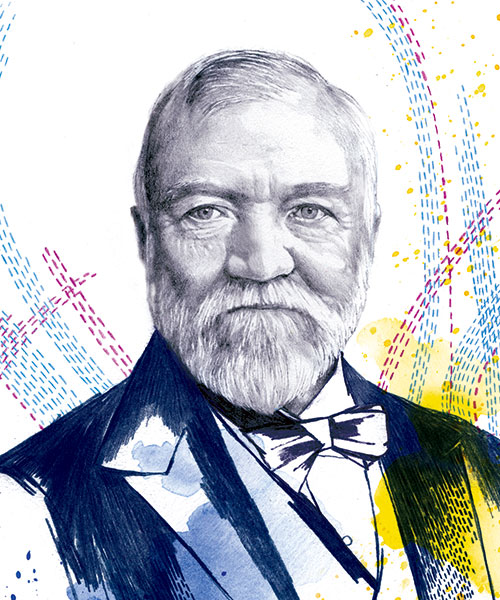
Andrew Carnegie (1835–1919) was among the wealthiest and most famous industrialists of his day. Through the Andrew Carnegie Foundation, the innovative philanthropic foundation he established as Carnegie Corporation of New York in 1911, his fortune has since supported everything from the discovery of insulin and the dismantling of nuclear weapons to the creation of Pell Grants and Sesame Street. The work of the foundation and its grantees has helped shape public discourse and policy for more than one hundred years. Millions of people have benefited from Carnegie’s foresighted generosity — a legacy of real and permanent good. We invite you to learn more about this remarkable man’s life through an interactive timeline, historical documents, photographs, audio, and more.
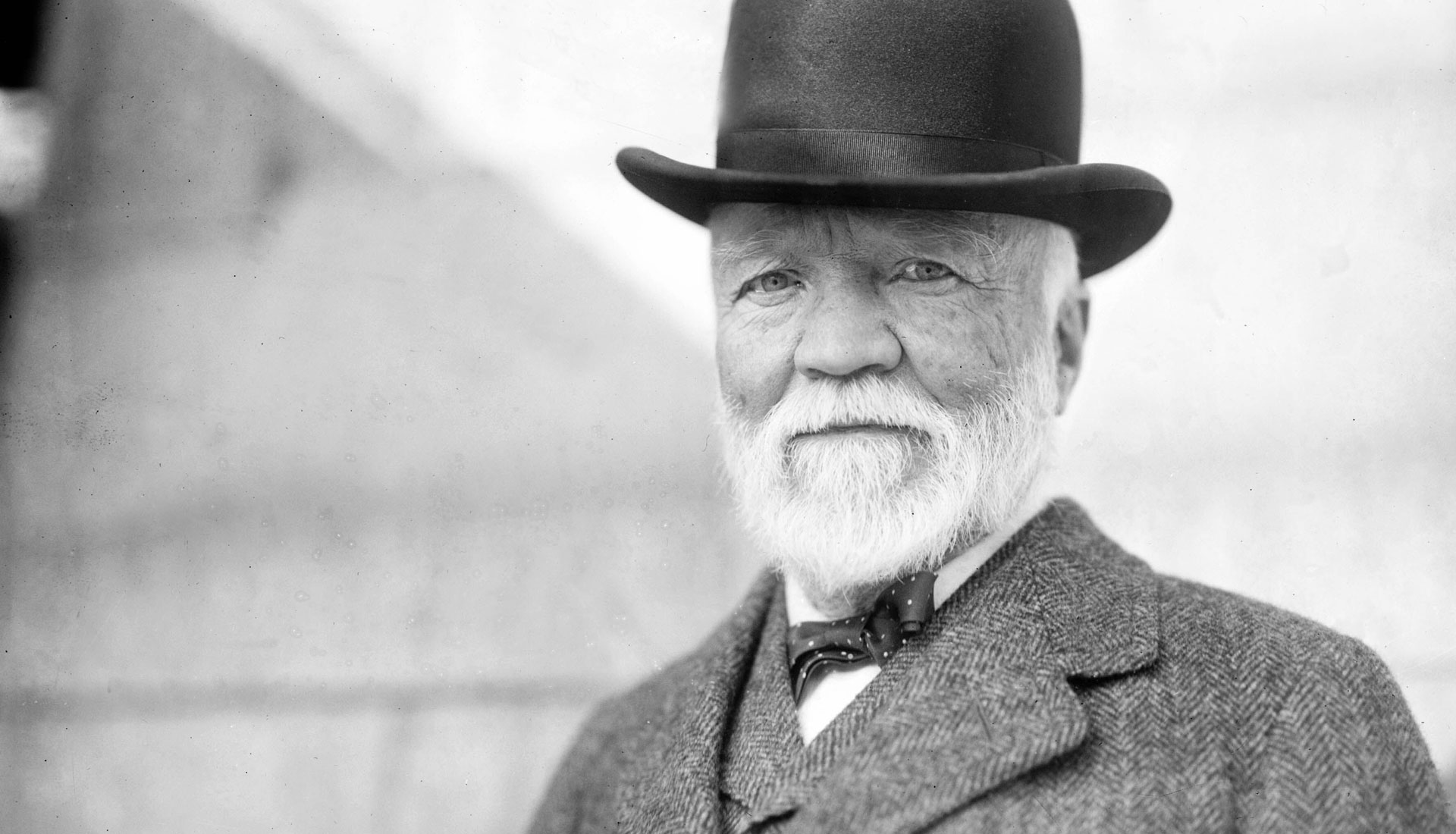
“To try to make the world in some way better than you found it is to have a noble motive in life.”
Andrew Carnegie
The Empire of Business
Humble Beginnings
Andrew Carnegie’s birthplace, Dunfermline, was Scotland’s historic medieval capital. Later famous for producing fine linen, the town fell on hard times when industrialism made home-based weaving obsolete, leaving workers such as Carnegie’s father, Will, hard pressed to support their families. Will and his father-in-law, Thomas Morrison, a shoemaker and political reformer, joined the popular Chartist movement, which believed conditions for workers would improve if the masses were to take over the government from the landed gentry. When the movement failed in 1848, Will Carnegie and his wife, Margaret, sold their belongings to book passage to America for themselves and their sons, 13-year-old Andrew and 5-year-old Tom.
“We sailed from the Broomielaw of Glasgow in the 800-ton sailing ship Wiscasset…”
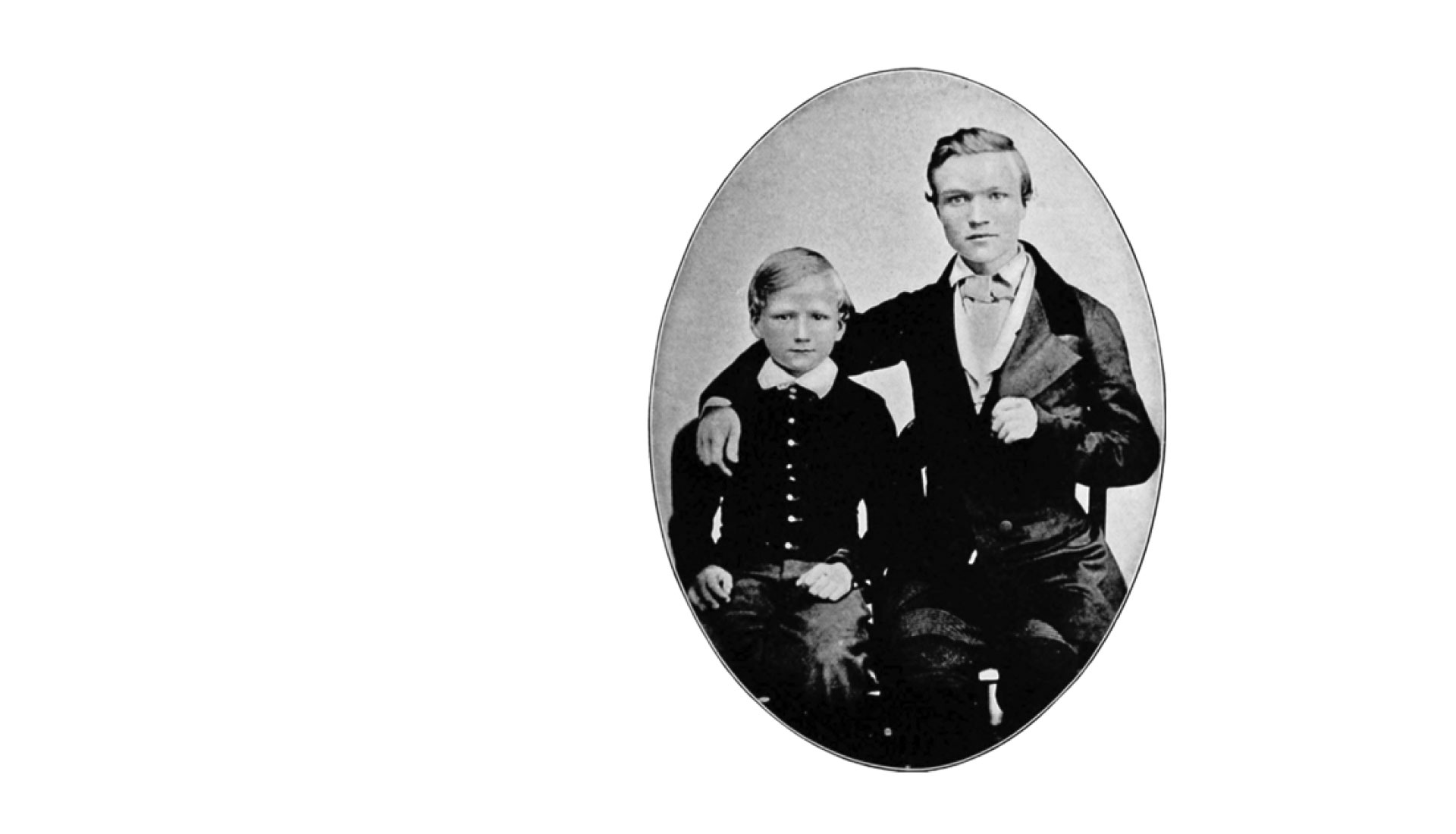
Andrew Carnegie (right) at age 16, photographed in 1851 with his younger brother, Thomas, shortly after their arrival in America
An Immigrant’s Journey
Andrew Carnegie’s family decided to settle in Allegheny, Pennsylvania, a suburb of Pittsburgh where they had friends and relatives. Their ship landed in New York City, which he found bewildering: “New York was the first great hive of human industry among the inhabitants of which I had mingled, and the bustle and excitement of it overwhelmed me,” Carnegie wrote in his autobiography. Next the family traveled west by canal and steamboat, arriving in Allegheny three weeks later (a 370-mile, six-hour trip by car today). They moved into two rooms above a relative’s weaving shop, which his father took over, but the business ultimately failed, putting the family once again in need of money.
“The emigrant is the capable, energetic, ambitious, discontented man.”
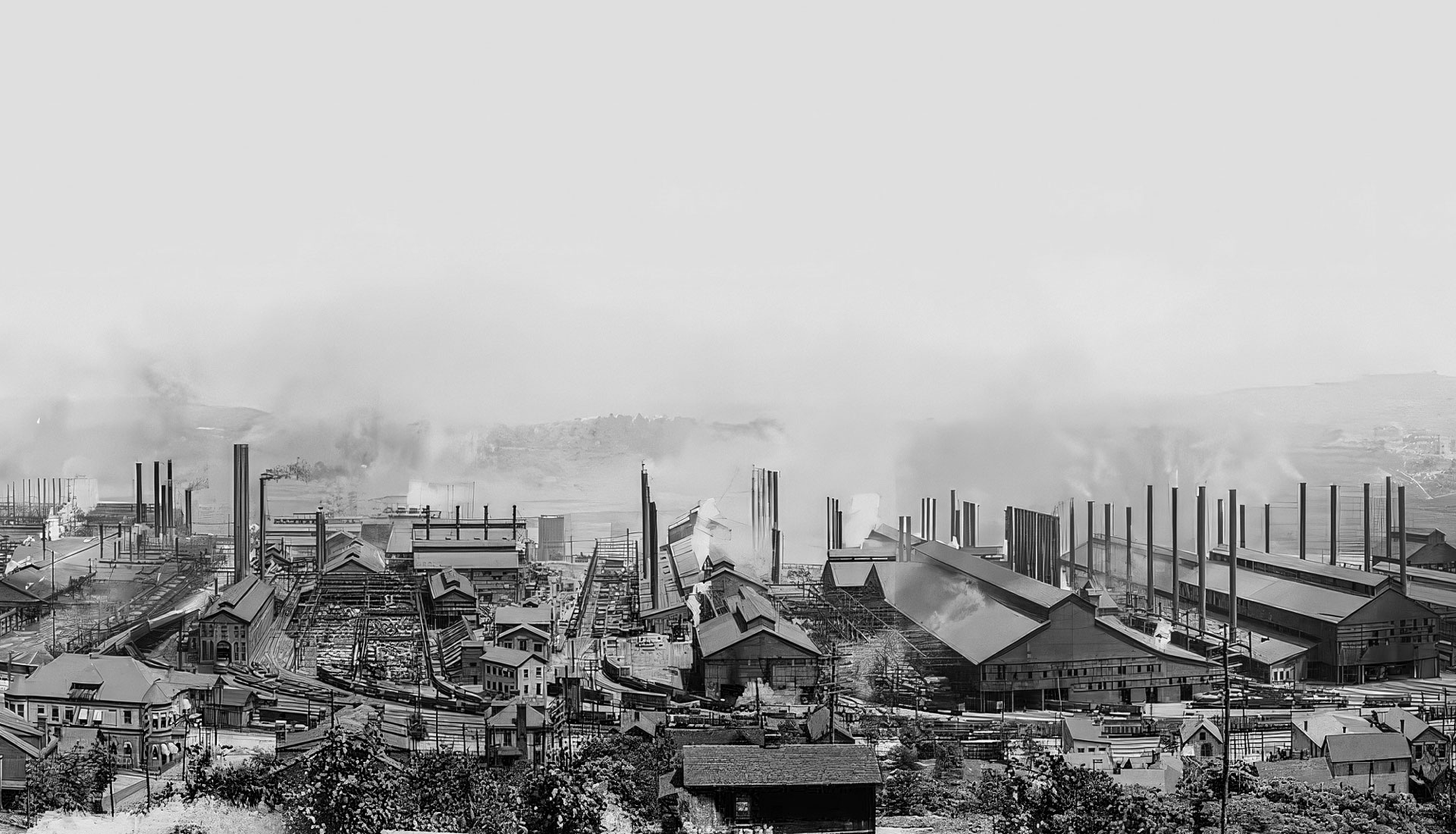
The Carnegie Steel Company plant in Youngstown, Ohio, 1910
Industrious Youth
At the age of 13, Carnegie worked from dawn until dark as a bobbin boy in a cotton mill, carrying bobbins to the workers at the looms and earning $1.20 per week. A year later, he was hired as a messenger for a local telegraph company, where he taught himself how to use the equipment and was promoted to telegraph operator. With this skill he landed a job with the Pennsylvania Railroad, where he was promoted to superintendent at age 24. Not just ambitious, young Carnegie was a voracious reader, and he took advantage of the generosity of an Allegheny citizen, Colonel James Anderson, who opened his library to local working boys — a rare opportunity in those days. Through the years books provided most of Andrew Carnegie’s education, remaining invaluable as he rapidly progressed through his career.
“It was from my own early experience that I decided there was no use to which money could be applied so productive… as the founding of a public library.”
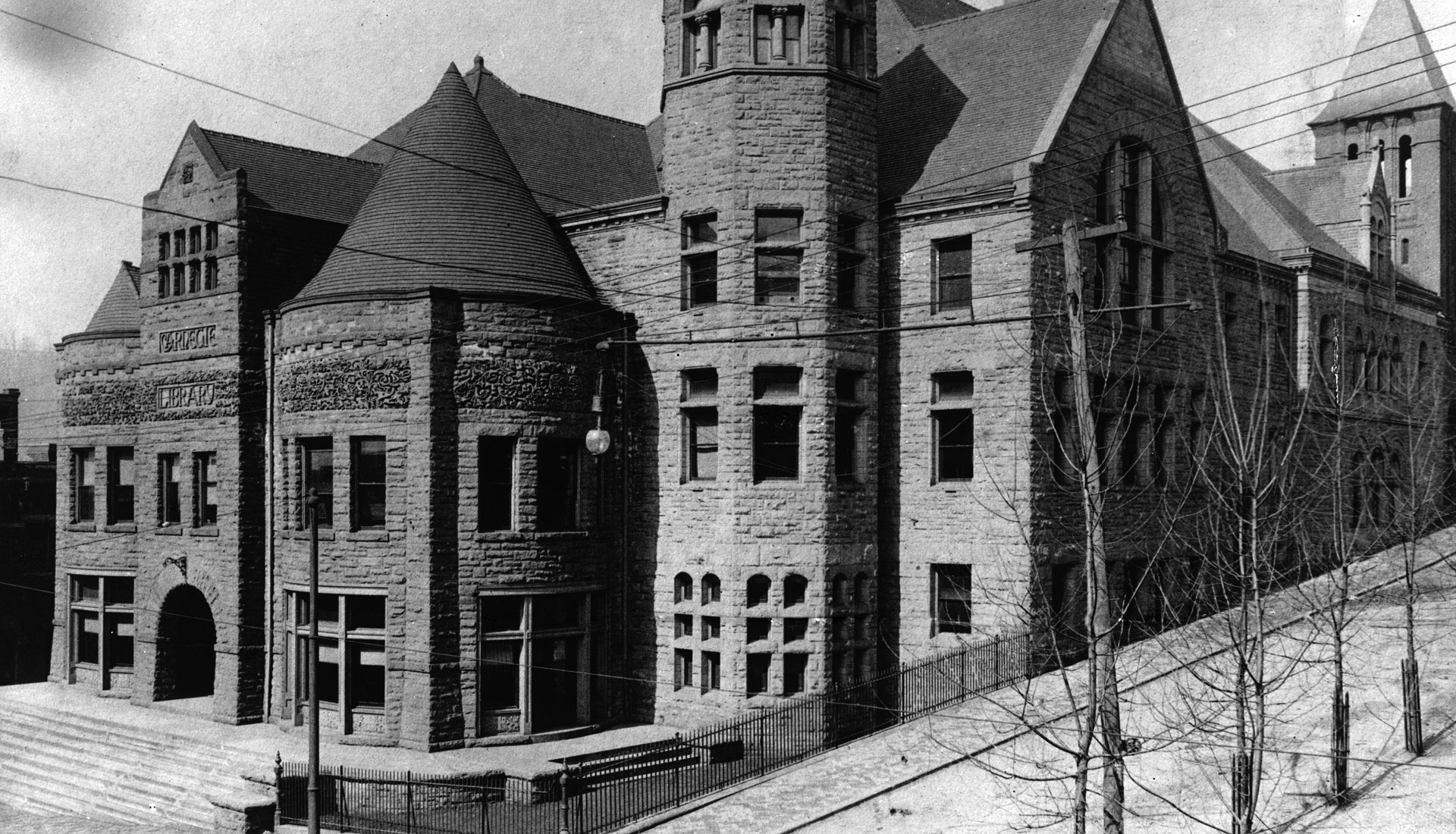
The first Carnegie Library in the U.S. in Braddock, Pennsylvania, site of his steel mills
Keen Eye for Opportunity
Thomas A. Scott, superintendent of the western division of the Pennsylvania Railroad and Andrew Carnegie’s boss, initiated the future millionaire’s first investment when he alerted Carnegie to the impending sale of ten shares in the Adams Express Company. By mortgaging their house, Margaret Carnegie obtained $500 to buy the shares, and soon the first stream of dividends began rolling in. While associated with the railroad, Carnegie developed a wide variety of other business interests. Theodore Woodruff approached him with the idea of sleeping cars on railways, offering him a share in the Woodruff Sleeping Car Company. Carnegie secured a bank loan to accept Woodruff’s proposal — a decision he would not regret. He ultimately bought the company that introduced the first successful sleeping car on a U.S. railroad. By age 30, Carnegie had amassed business interests in iron works, steamers on the Great Lakes, railroads, and oil wells. He was subsequently involved in steel production and built the Carnegie Steel Corporation into the largest steel manufacturing company in the world.
“Labor, capital, and ability are a three-legged stool… They are equal members of the great triple alliance which moves the industrial world.”
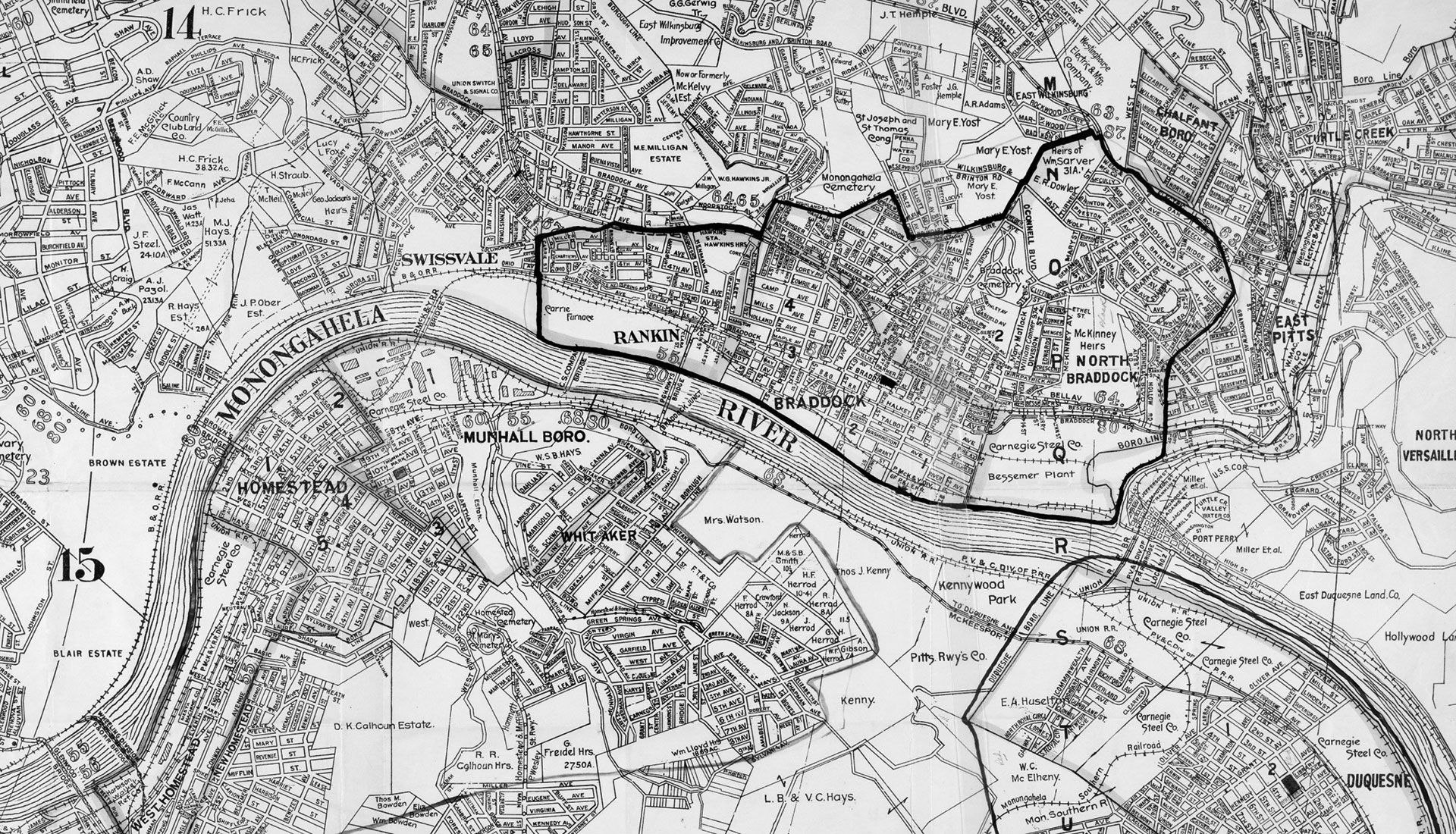
Map of Pittsburgh area, showing locations of the Carnegie Steel Mills
Birth of a Philanthropist
Andrew Carnegie’s philanthropic career began around 1870. Although he supported myriad projects and causes, he is best known for his gifts of free public library buildings, beginning in his native Dunfermline and ultimately extending throughout the English-speaking world, including the United States, United Kingdom, Australia, and New Zealand. In 1887, Carnegie married Louise Whitfield of New York City. She supported his philanthropy and signed a prenuptial marriage agreement stating Carnegie’s intention of giving away virtually his entire fortune during his lifetime. Two years later he wrote “The Gospel of Wealth,” which boldly articulated his view of the rich as trustees of their wealth who should live without extravagance, provide moderately for their families, and use their riches to promote the welfare and happiness of others. This statement of his philosophy was read all over the world, and Carnegie’s intentions were widely praised.
“The man who dies thus rich dies disgraced.”
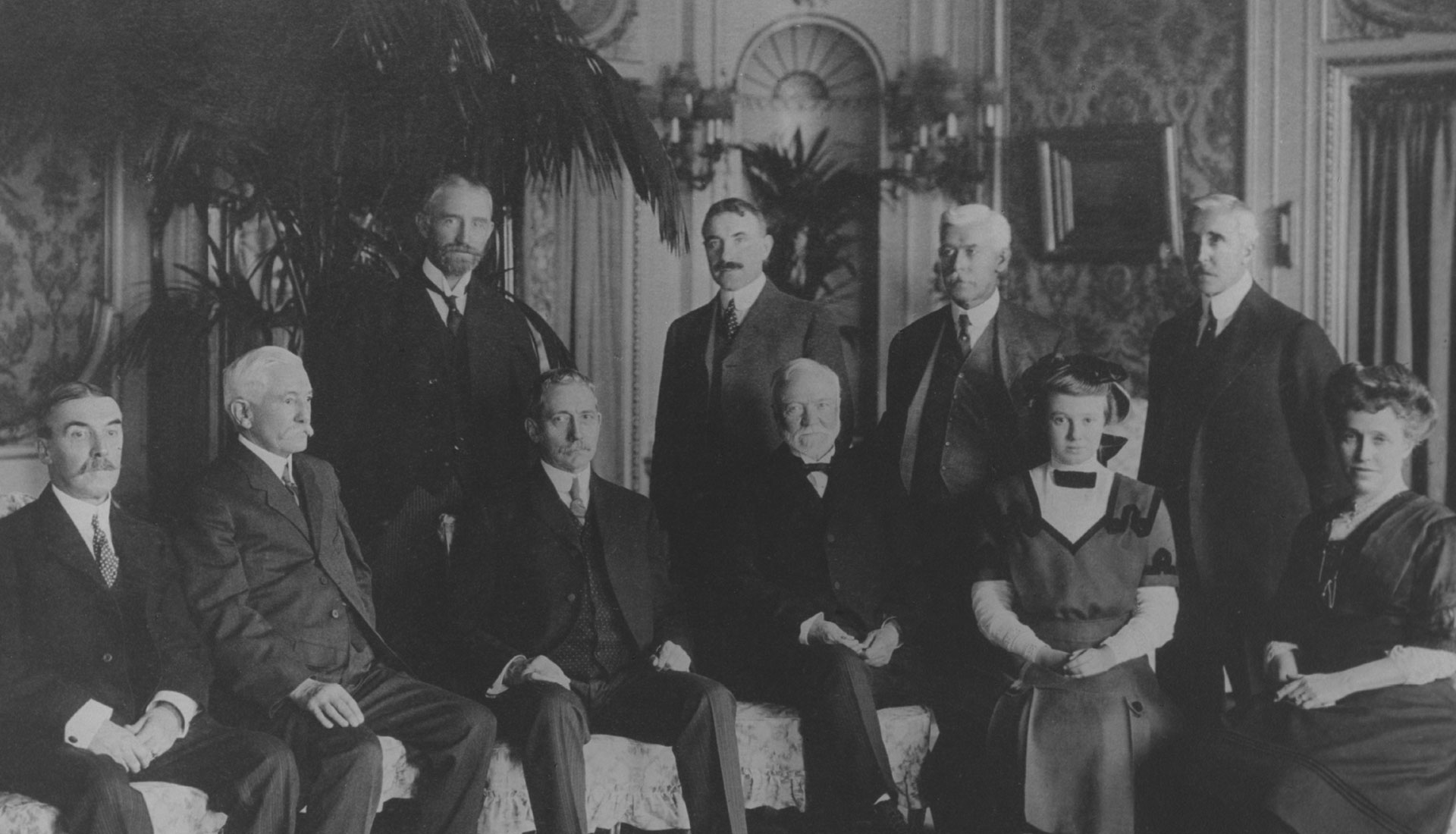
Board of Trustees at the first Carnegie Corporation meeting
Wealthiest Man in the World
Andrew Carnegie sold his steel company to J. P. Morgan for $480 million in 1901. Retiring from business, Carnegie set about in earnest to distribute his fortune. In addition to funding libraries, he paid for thousands of church organs in the United States and around the world. Carnegie’s wealth helped to establish numerous colleges, schools, nonprofit organizations, and associations in his adopted country and many others. His most significant contribution, both in money and enduring influence, was the establishment of several trusts or institutions bearing his name, including: Carnegie Museums of Pittsburgh, the Carnegie Trust for the Universities of Scotland, Carnegie Institution for Science, Carnegie Foundation (supporting the Peace Palace), Carnegie Dunfermline Trust, Carnegie Foundation for the Advancement of Teaching, Carnegie Endowment for International Peace, and the Carnegie UK Trust.
Reading Ahead
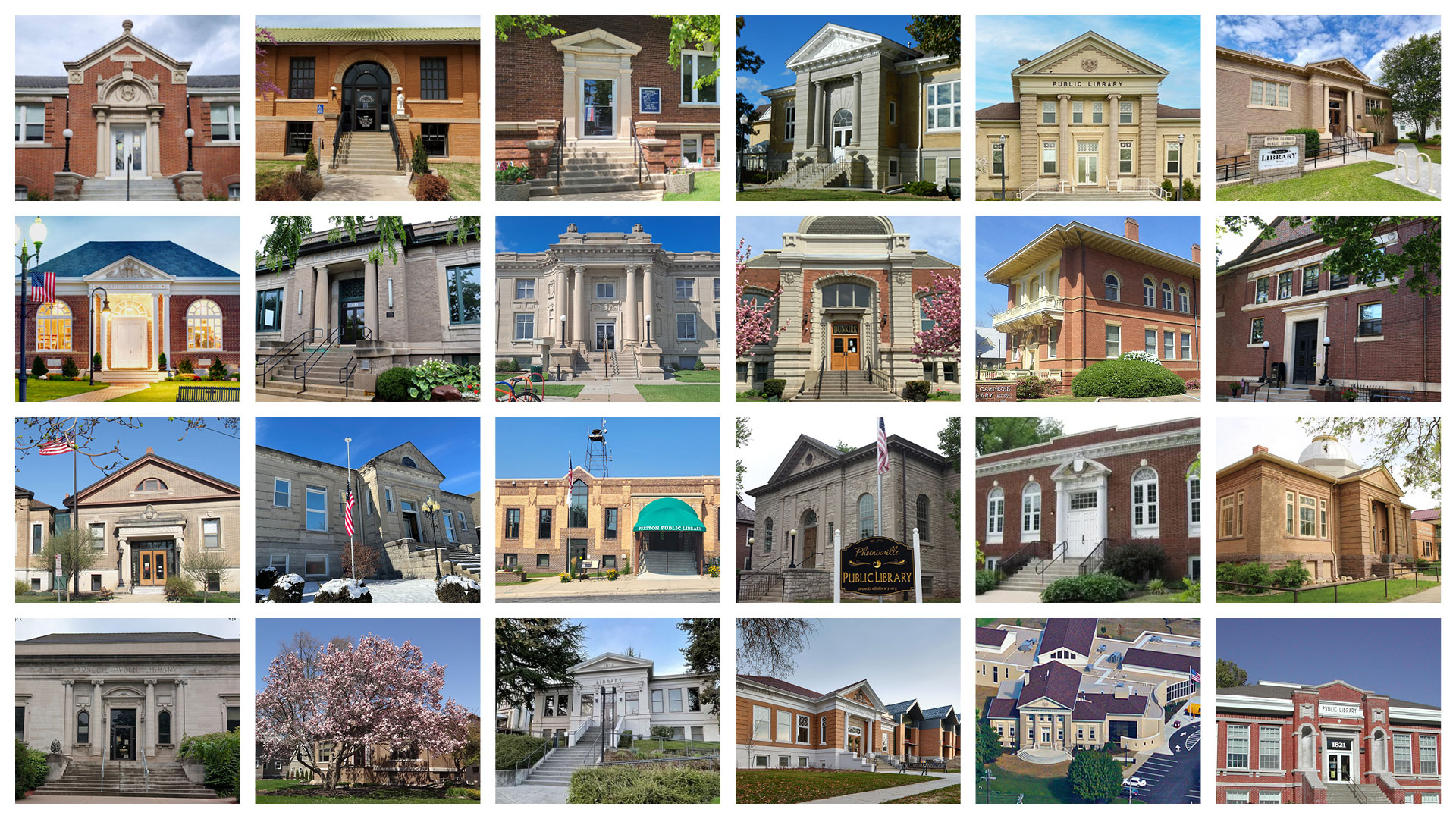
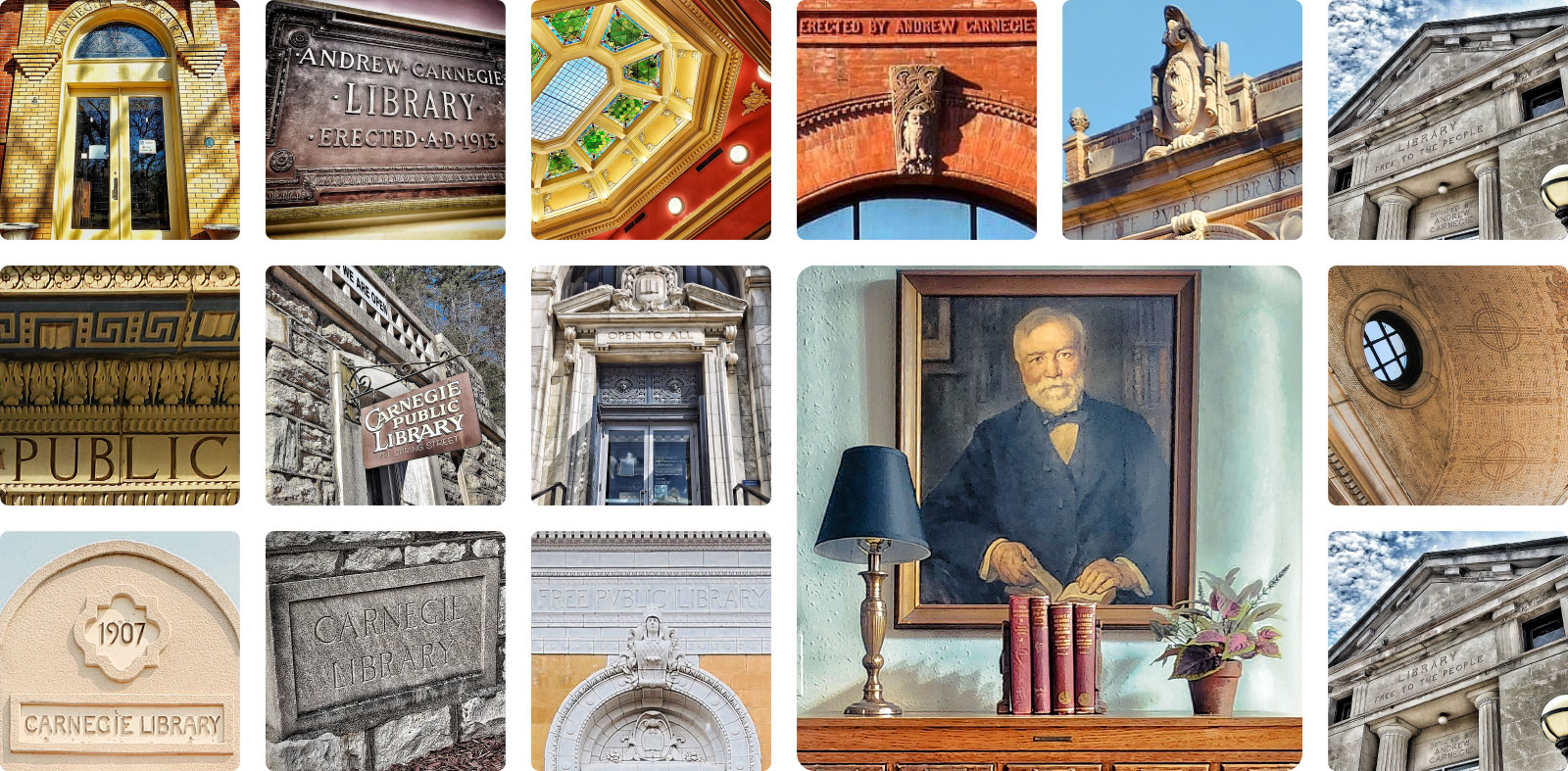
One of the most tangible examples of Andrew Carnegie’s philanthropy was the founding of 2,509 libraries in the late 19th and early 20th centuries. Of these libraries, 1,679 were built in the United States. Carnegie spent over $55 million of his wealth on libraries alone, and he is often referred to as the “Patron Saint of Libraries.” It is said that Carnegie had two main reasons for supporting libraries. First, he believed that in America, anyone with access to books and the desire to learn could educate themselves and be successful, as he had been. Second, Carnegie, an immigrant, felt America’s newcomers needed to acquire cultural knowledge of the country, which a library would help make possible. Carnegie indicated it was the first reason that mattered most to him. Growing up working long hours in Pittsburgh, he had no access to formal education. However, a retired merchant, Colonel Anderson, loaned books from his small library to local boys, including Carnegie. As he later wrote in praise of Anderson, “This is but a slight tribute and gives only a faint idea of the depth of gratitude which I feel for what he did for me and my companions. It was from my own early experience that I decided there was no use to which money could be applied so productive of good to boys and girls who have good within them and ability and ambition to develop it, as the founding of a public library in a community.
“Whatever agencies for good may rise or fall in the future, it seems certain that the Free Library is destined to stand and become a never-ceasing foundation of good to all the inhabitants.”
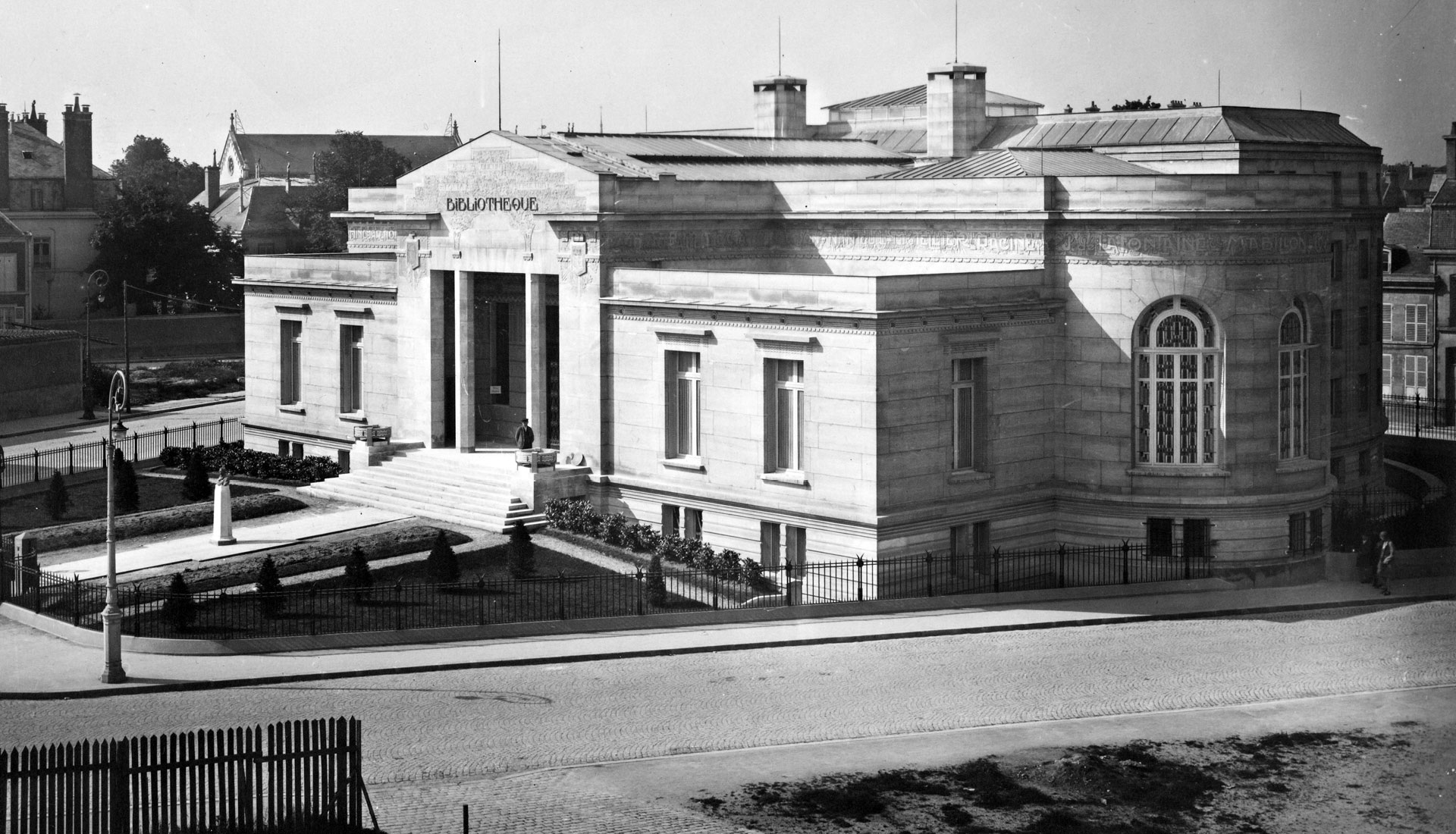
Reconstructing the Reims Library
Giving and Legacy
In 1911 Andrew Carnegie established Carnegie Corporation of New York, which he dedicated to the “advancement and diffusion of knowledge and understanding.” It was the last philanthropic institution founded by Carnegie and was dedicated to the principles of “scientific philanthropy,” investing in the long-term progress of our society. Carnegie himself was the first president of the foundation, which he endowed in perpetuity with his remaining fortune — $135 million — to be used principally to promote education and international peace. While his primary aim was to benefit the people of the United States, Carnegie later determined to use a portion of the funds for members of the British Overseas Commonwealth. For the trustees of the foundation, he chose his longtime friends and associates, giving them permission to adapt its programs to the times. “Conditions upon the earth inevitably change,” he wrote in the Deed of Gift, “hence no wise man will bind Trustees forever to certain paths, causes or institutions…. They shall best conform to my wishes by using their own judgment.”
Carnegie Organizations
Andrew Carnegie formed what was then called the Carnegie Corporation of New York in 1911 to give away the $150 million that remained of his fortune. In 2026, the foundation changed its name to the Andrew Carnegie Foundation.
Andrew Carnegie founded the Carnegie Institution of Washington in 1902, endowing it with $22 million, as an organization for scientific discovery. He intended it to be home for exceptional individuals — those with imagination and extraordinary dedication, capable of working at the cutting edge of their fields. It has fostered new areas of science and has led to unexpected benefits to society, including the development of hybrid corn, radar, the technology that led to Pyrex glass, and RNA interference, a novel technique to control genes. In 2007, the institution adopted a new name, the Carnegie Institution for Science.
In 1900, Andrew Carnegie created a $2 million endowment for a few technical schools in Pittsburgh that provided training at the secondary level. These schools quickly evolved into the Carnegie Institute of Technology, a college that received an additional endowment of more than $7 million. In 1967, the Carnegie Institute merged with the Mellon Institute to become Carnegie Mellon University. Today, the university has colleges in engineering, fine arts, science, industrial administration, humanities, and social sciences.
Carnegie UK was founded in 1913, with a $10 million endowment with a mission to improve the wellbeing of the people of the UK and Ireland. Today Carnegie UK aims to improve collective wellbeing by influencing public policy and practice to create a society where everyone can thrive. Carnegie UK conducts research, advocates for new and innovative approaches, and brings people together to explore current issues.
The Carnegie Museums of Pittsburgh were established in 1895 with the purpose of celebrating art, science, music, and literature. Built at a cost of $20 million, this institution contains a library, art gallery, music hall, and museum of natural history. Today comprising four museums, the organization reaches more than 1.3 million people a year — including more than 400,000 school children — through science and art exhibitions, educational programming, outreach, and special events. Among other natural wonders, the Carnegie Museum of Natural History displays two dinosaurs, Diplodocus carnegie and Apatosaurus louisae, named after Carnegie and his wife, Louise.
Endowed with roughly $4 million, the Carnegie Dunfermline Trust was created in 1903 to benefit the 26,000 residents of Andrew Carnegie’s birthplace in Scotland. In the years that followed, there were few aspects of life in Dunfermline that the Trust did not touch through the creation of numerous public institutions, including: the magnificent Pittencrieff Park and Glen; reading rooms; bowling greens; clinics; a College of Hygiene and Physical Education; school of handicrafts; music institute; women’s center; youth center; and playing fields. In addition, the Trust has assisted the community by supporting local schools, educational visits, and sports activities.
The Carnegie Trust for the Universities of Scotland, endowed with $10 million, was created by a deed signed on June 7, 1901 — officially incorporated by Royal Charter on August 21, 1902 — for the purpose of “improving and extending the opportunities for scientific study and research” as well as providing scholarships for needy students.
The Carnegie Council for Ethics in International Affairs was established in 1914, with a $2 million endowment, as the Church Peace Union. Through that organization, Andrew Carnegie hoped to mobilize the world’s churches, religious organizations, and other spiritual and moral resources to join in promoting moral leadership and finding alternatives to armed conflict. The organization thrived and expanded its focus, resulting in its renaming as the Carnegie Council for Ethics in International Affairs in 1986. Today it is the world’s premier institute for research and education in ethics and international policy. It provides a forum for those who explore the ethical dilemmas posed by issues such as deadly conflict, human rights violations, environmental protection, global economic disparities, and the politics of reconciliation.
In January 1904, a fatal coal mine disaster in Harwick, Pennsylvania, claimed the lives of an engineer and a miner who went into the stricken mine in a valiant attempt to rescue others. The tragedy and the sacrifices so moved Andrew Carnegie that he promptly took action on his then novel idea of honoring and helping the “heroes of civilization.” The Commission’s deed of trust, dated March 12, 1904, established a $5 million fund to recognize persons in “peaceful vocations” who act to “preserve or rescue their fellows.” Since the Commission’s establishment, it has awarded more than $20 million to such “heroes of peace.” There are now hero funds in the United States, United Kingdom, and Europe.
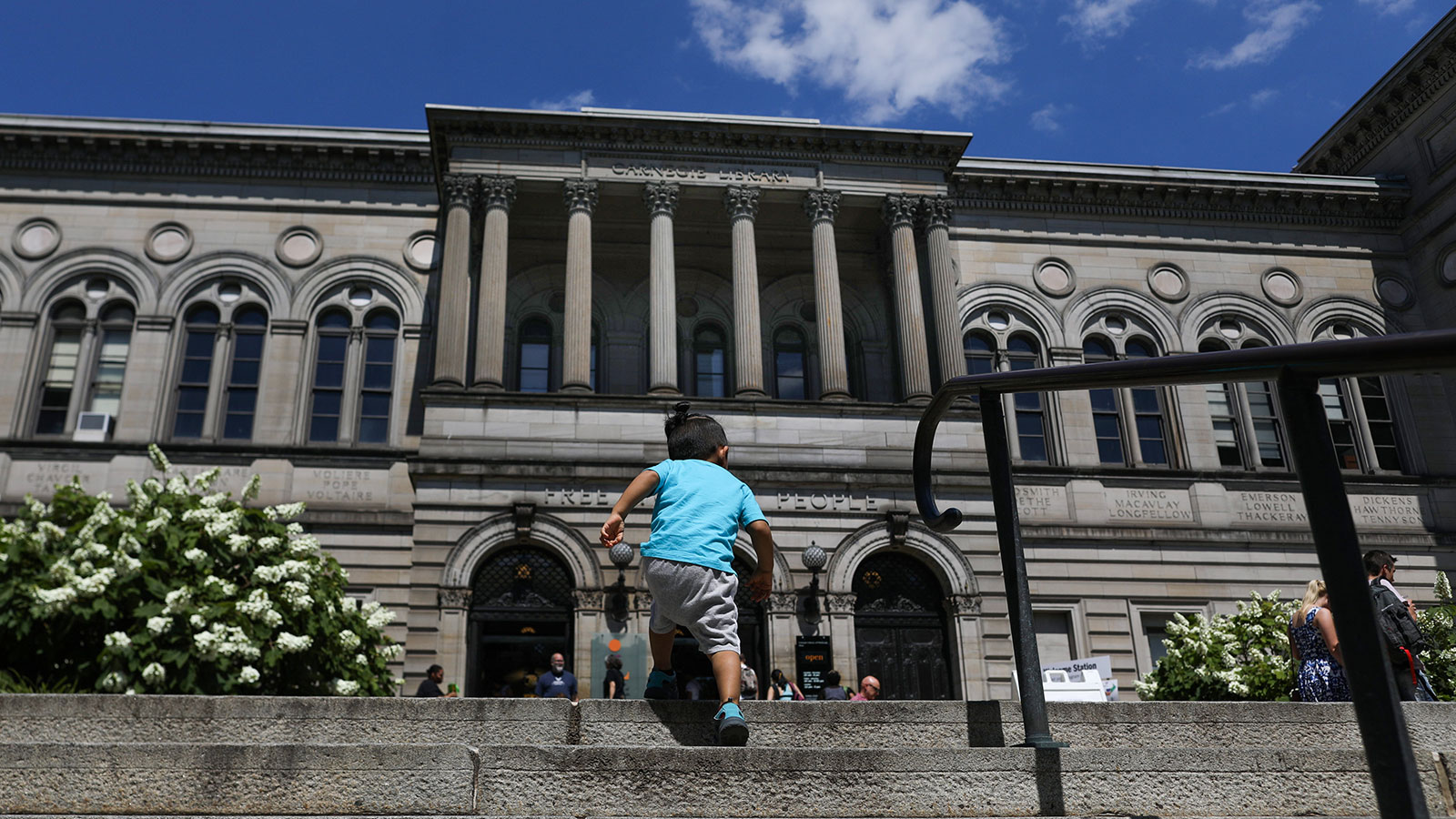
In a letter dated November 25, 1881, Andrew Carnegie wrote to the mayor of Pittsburgh offering to donate $250,000 for a free library, with the stipulation that the city would agree to provide the land and appropriate funding for library operations. Carnegie later increased his charter investment to $1 million to build and equip a main library and five neighborhood branches. Founding public libraries became a personal philanthropic mission for Carnegie: he viewed them as vital, non-luxury assets to be supported by public dollars. When finished, Carnegie had established more than 2,500 libraries around the world.
Founded in 1910 with $10 million from Andrew Carnegie, the Carnegie Endowment for International Peace is the oldest international affairs think tank in the United States and the first global think tank.
The Carnegie Hero Fund Trust was established in Britain in 1908 with the continuing aim of recognizing heroism and giving financial assistance, where necessary, to people who have been injured or to the dependents of people who have been killed in attempting to save another human life. When Andrew Carnegie established the first Hero Fund, the Carnegie Hero Fund Commission in 1904, if a family lost the breadwinner, it barely survived. Carnegie described the Hero Fund as “my ain bairn,” or “my own child,” and it was soon followed by nine Funds across Europe in France, Germany, Belgium, Denmark, Italy, the Netherlands, Norway, Sweden, and Switzerland.
The Carnegie Foundation for the Advancement of Teaching was established in 1905 with an initial endowment of $10 million — later augmented — and a charter from the New York State legislature. As a trustee of Cornell University, Andrew Carnegie was shocked to learn about the low salary scale of professors. He realized that they were unable to save for their old age and that many were continuing to teach for far too long. Through the Foundation, he endowed a pension system for college teachers. It later went on to establish the first widespread educational standards for the nation’s colleges and universities. After 1931, the foundation changed its focus, concentrating on research to improve education.
In October of 1903, Andrew Carnegie signed a formal deed to create a foundation for the purpose of “erecting and maintaining at The Hague a courthouse and library for the Permanent Court of Arbitration.” The Carnegie Foundation, as the organization was called, was given $1.5 million with which to build the so-called Peace Palace. Today, the Carnegie Foundation is solely responsible for the upkeep and maintenance of the Peace Palace and its grounds.
Andrew Carnegie’s “Music Hall” opened on May 5, 1891, with a concert featuring the American debut of Pyotr Ilyich Tchaikovsky. Designed by William B. Tuthill, the building at the corner of 57th Street and Seventh Avenue in New York City comprised a self-contained performing arts complex with three auditoriums. It quickly became known simply as “Carnegie Hall.” In the more than 120 years since, the venue has become one of the most famous concert halls in the world, with its perfect acoustics and extravagant architecture providing a spectacular showcase for scores of renowned artists.
Champion for Peace
By the time of his death, Andrew Carnegie, despite his best efforts, had not been able to give away his entire fortune. He had distributed $350 million, but had $30 million left, which went into the foundation’s endowment. Toward the end of his life, Carnegie, a pacifist, had a single goal: achieving world peace. He believed in the power of international laws and trusted that future conflicts could be averted through mediation. He supported the founding of the Peace Palace in The Hague in 1903, gave $10 million to found the Carnegie Endowment for International Peace in 1910 to “hasten the abolition of international war,” and worked ceaselessly for the cause until the outbreak of World War I. He died, still brokenhearted about the failure of his efforts, in August 1919, two months after the signing of the Treaty of Versailles.
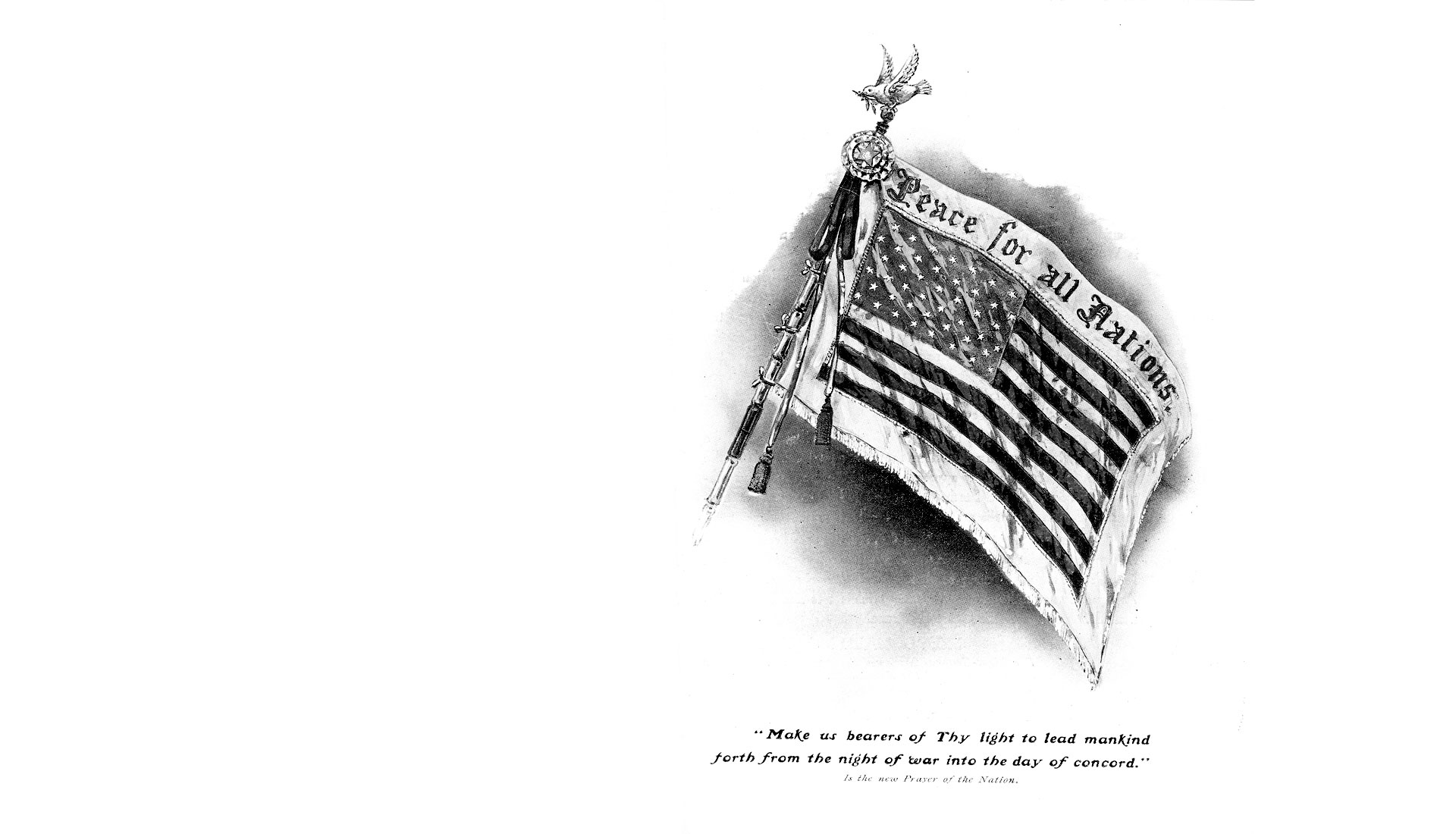
“Whoso wants to share the heroism of battle, let him join the fight against ignorance and disease and the mad idea that war is necessary.”
Flag of Peace
Further Reading
• An American Four-in-Hand in Britain
• Andrew Carnegie’s Own Story
• Autobiography of Andrew Carnegie
• The Empire of Business
• The Gospel of Wealth: Essays and Other Writings
• A League of Peace: A Rectoral address delivered to the students in the University of St. Andrews 17th October, 1905
• Triumphant Democracy, or Fifty Years’ March of the Republic
• Andrew Carnegie, David Nasaw, Penguin, 2006
• Andrew Carnegie, Joseph Frazier Wall, University of Pittsburgh Press, 1989
• Andrew Carnegie and The Rise of Big Business, Harold Livesay, Harper Collins, 1975
• The Andrew Carnegie Reader, Joseph Frazier Wall, Ed., University of Pittsburgh Press, 1992
• The Battle for Homestead, 1880–1892: Politics, Culture, and Steel, Paul Krause, University of Pittsburgh Press, 1992
• Homestead: The Glory and Tragedy of an American Steel Town, William Serrin, Vintage Books, 1993
• The Incorporation of America: Culture and Society in The Gilded Age, Alan Trachtenberg, Hill and Wang, 1982
• The Inside History of The Carnegie Steel Company: A Romance of Millions, James Howard Bridge, University of Pittsburgh Press, 1992
• The River Ran Red: Homestead 1892, David P. Demarest, Jr., Ed., University of Pittsburgh Press, 1992
Gospel of Wealth
 “The Gospel of Wealth,” Andrew Carnegie’s most famous essay, was written in 1889 and describes the responsibility of philanthropy by the new upper class of self-made rich. The central thesis of Carnegie’s essay is that the wealthy entrepreneur must assume the responsibility of distributing his fortune in a manner that assures that it will be put to good use, and not wasted on frivolous expenditure. The very existence of poverty in a capitalistic society, Carnegie believed, could be greatly alleviated by wealthy philanthropic businessmen and women. “The Gospel of Wealth” is an eloquent testament to the importance of charitable giving for the public good.