
Janet L. Robinson on the ‘Carnegie Way’
The chair of Carnegie’s board of trustees explains how her role at the helm of the New York Times Company prepared her for institutional change
By Celeste Ford
Sep 3, 2026
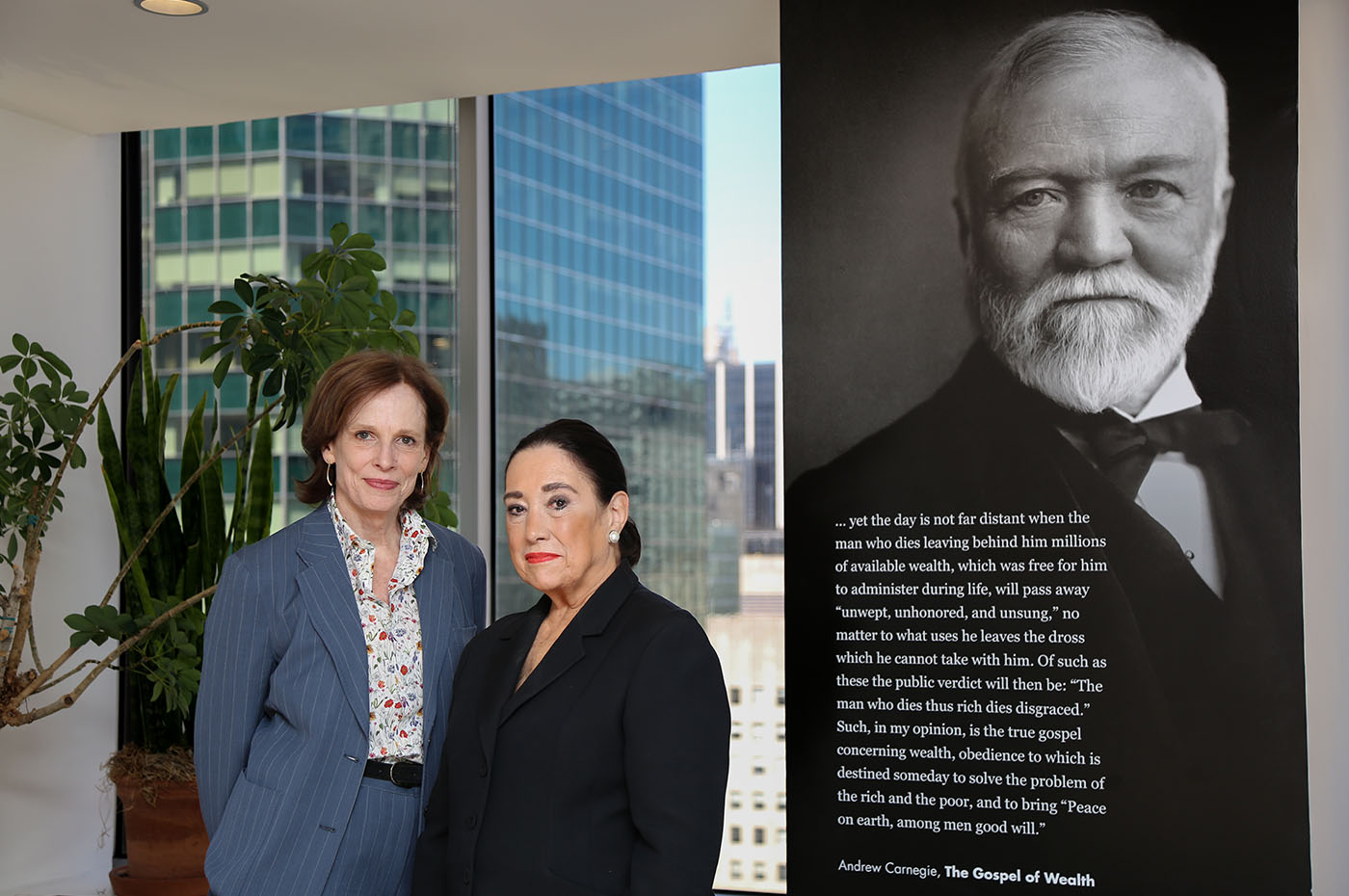
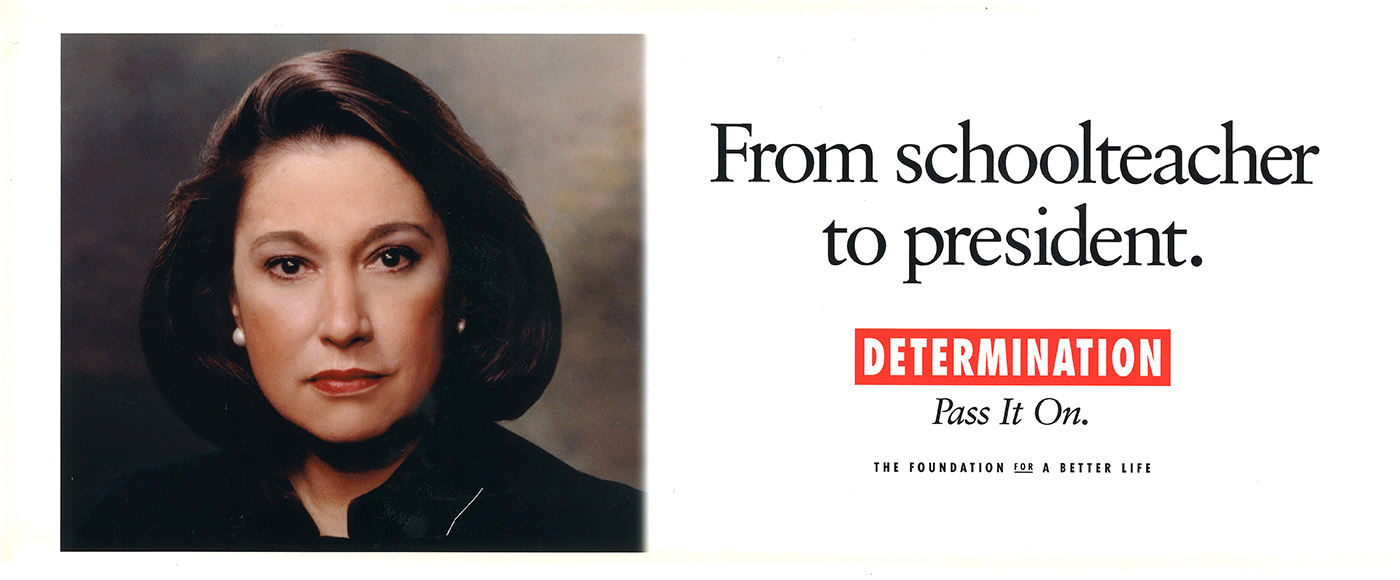
Earlier in her career, Janet L. Robinson was routinely ranked on annual lists of the most powerful women in business. A former schoolteacher, she joined the New York Times Company as an account executive and rose to be the first woman to serve as chief executive. At the Andrew Carnegie Foundation, Robinson is on another exclusive list. She is among the more than 160 distinguished individuals who have served as a trustee since the institution was established in 1911. Joining the board in 2004, Robinson is also one of the longest-serving trustees and is now on her second term as chair.
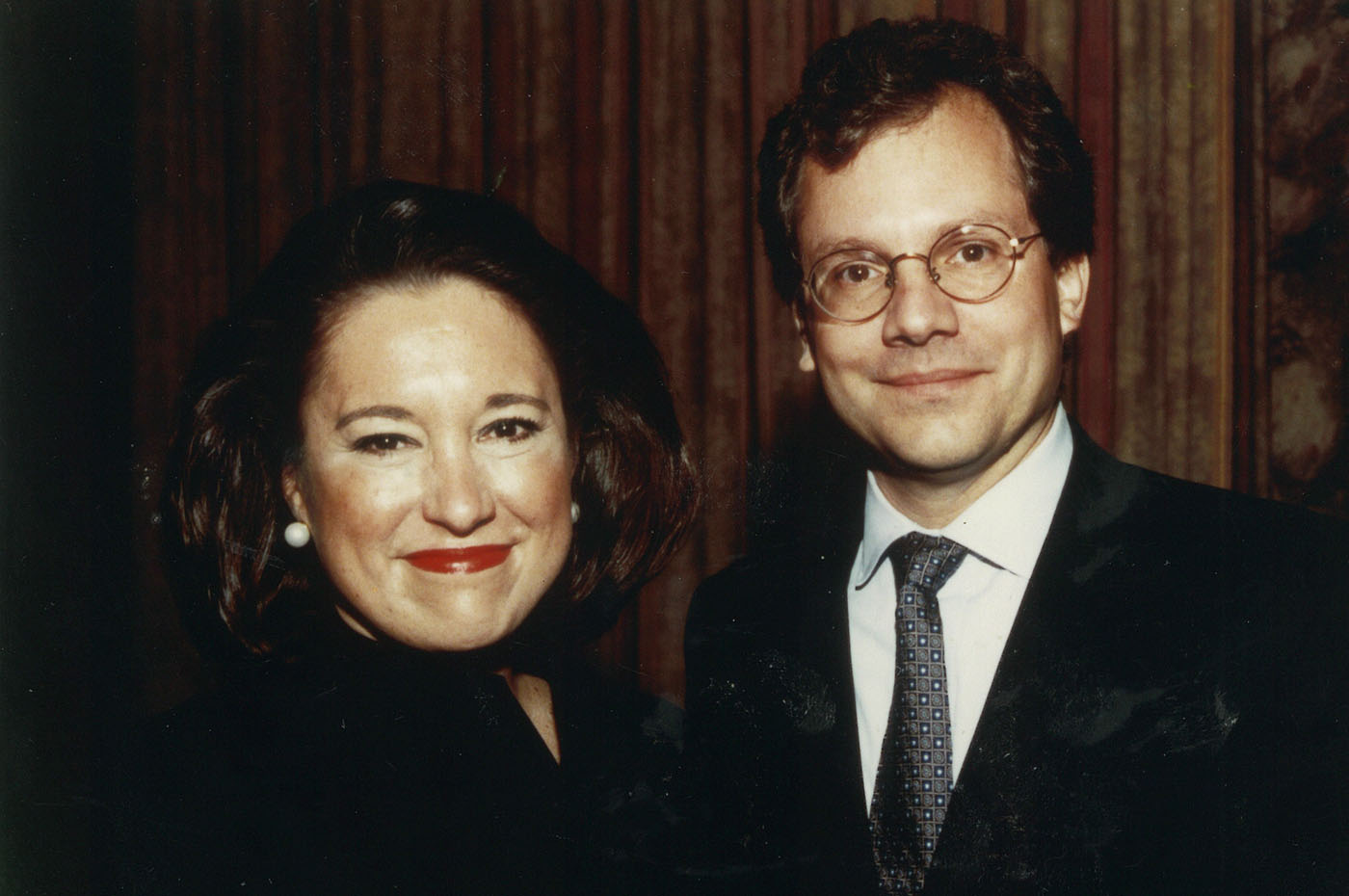
Andrew Carnegie wanted his trustees to be forward-thinking stewards who could adapt to changing times. He left instructions, writing that trustees would “best conform to my wishes by using their own judgment.” Robinson knows a lot about managing through change. During her tenure at the Times, she oversaw the early stages of the critically important transition from print to digital publishing. This included the launch of a paywall that proved readers were willing to pay for quality journalism, a model that was eventually adopted by the industry. Robinson’s boss, New York Times publisher Arthur Sulzberger Jr., was quoted as saying, “Janet sees where the media business is going. She knows how to translate all we do in print for a digital audience.”
Today Robinson is overseeing the foundation through a period of evaluation and change, including its focus on reducing political polarization, investing in national service, and embracing a new name.

The Andrew Carnegie Foundation is among the oldest philanthropies in the country, yet our founder feels very present. Describe his influence.
I believe that Andrew Carnegie was very pragmatic. He changed the model of philanthropy from one that was based purely on generosity, charity, and moral obligation to one of strategic support of systems, infrastructure, and institutions. This was a critical shift that has benefited philanthropy through the years. Carnegie was a capitalist, but his desire was to help people to help themselves. He did not embrace pure charitable donations but rather identified root causes that plagued society and the important factors that could improve people’s lives. He believed that the diffusion of knowledge was essential, and as a pragmatist, he invested in libraries.
After 115 years as Carnegie Corporation of New York, we changed our name to the Andrew Carnegie Foundation. Why did you think it was necessary?
Clarity is extremely important. The word “corporation” caused confusion or misunderstanding, and “New York” is limiting, especially when the foundation awards grants across the nation and the world. The new name embraces Andrew Carnegie as a man and as a philanthropist. When you attach someone’s name to an institution, it is a clear signal that we support the ideals that he stood for.
At Carnegie, the trustees have shown strong support for reducing political polarization. It is the overarching theme of our grantmaking. Why prioritize this?
Polarization is tearing our country apart. As we work to address this problem, we must examine the root cause. Polarization is not just fostered by media coverage or by politicians. It is fostered by the difficult conversations we are having with each other at the dinner table or at the town hall or in the boardroom. We must learn how to debate respectfully, to listen carefully to other points of view, and to reach consensus through compromise.
How might our new focus on service programs at the state and community levels make our society less polarized?
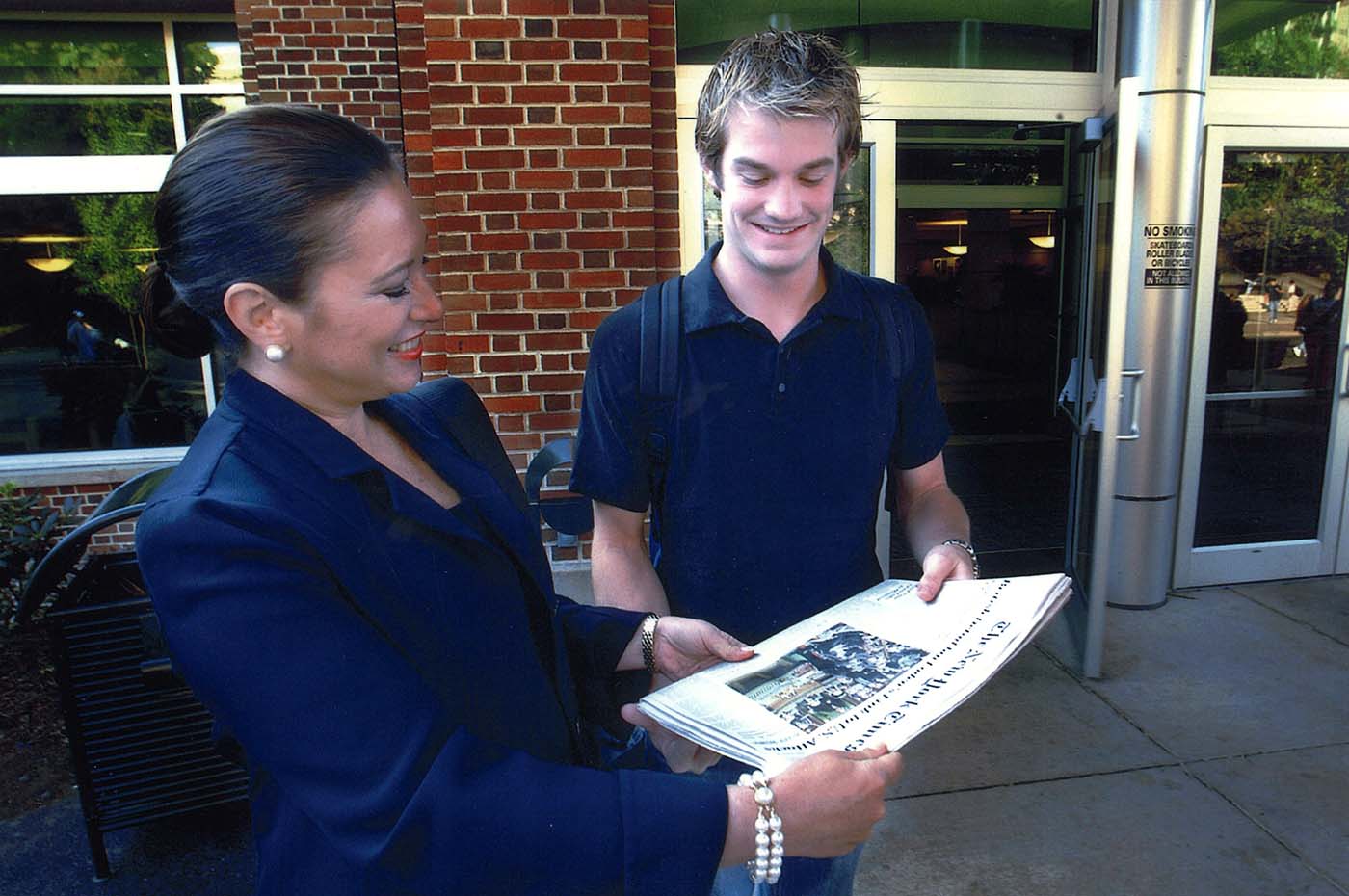
I am so pleased to see Carnegie support and invest in national service. This could be a game changer for many young people as they transition from high school to college to their careers. These programs will help formulate their views on the benefits of service.
Supporting programs that encourage students to gain a service background can only be good for students and for the organizations they choose to serve. In the long run, I have no doubt that the programs will reap many benefits.
Other foundations are also supporting national service. I believe that there is strength in having multiple foundations and voices support this initiative, and other collaborations as well. Louise Richardson and the staff have developed many partnerships that engender widespread support.
You often reference the “Carnegie way.” What does that mean to you?
The Carnegie way focuses on the long term with a well-researched, clearly disciplined approach to philanthropy. It examines the root causes of issues plaguing our society and listens to all points of view before developing the positions the foundation will take on any one issue. After examining these causes, the foundation is very proficient at developing initiatives that address the issues and identifying nonprofit organizations that will support solutions. The Carnegie way is a constancy of purpose that has served us well over the decades.
Your legendary career at the Times started in the 1980s and spanned almost 30 years. You started in advertising sales for Tennis magazine, a former Times property, after leaving your job as a public school teacher in Massachusetts. What led to this decision?
I loved being a teacher. My decision to leave teaching after 11 years had a great deal to do with the frustration I felt over the lack of a meritocracy within school systems at that time. I firmly believe that meritocracies are good for school systems, good for corporations, and good for philanthropy. When there are measurable results, progress is made.
When I began my career in sales at the Times, results were clearly measured. It was very apparent that a meritocracy was in place within the newsrooms and within the business departments. I loved being part of an organization that measured and rewarded excellence. I also loved being part of an organization that was committed to quality journalism and educating the citizenry. Even though my role was on the business side of the organization, I looked upon my role as one of service.
How did your professional life prepare you for your board roles, especially your years as president and CEO of the New York Times Company?
The New York Times Company is a publicly held company controlled by the Ochs-Sulzberger family. My leadership responsibilities included safeguarding the financial wellbeing of the company in addition to supporting its mission.
The transformation from a print organization to a digital organization was a critical turning point. We could no longer define ourselves by the print distribution. We had to position the company and all our publications as news and information sources of the highest quality across all platforms.
My perspective on the importance of international peace and security, which is a cornerstone program here at Carnegie, was made clear during my career at the Times. I was very involved in the kidnapping and ransom negotiations for two colleagues, David Rohde (2008, Afghanistan) and Anthony Shadid (2011, Libya). When conflicts impact your colleagues and your company, the experience gives you a unique appreciation for what international peace and security truly means. That perspective is priceless.
Surveys show that the general public does not know much about philanthropy and grantmaking in their communities. This can lead to distrust. What can we do about this?
It’s our job to educate the public about the role of philanthropy. The foundations themselves and the nonprofits that benefit from them should make a concerted effort to make sure the public understands where the money is coming from, how it is being used, and, importantly, what the results are.
This interview has been edited for length and clarity.
Celeste Ford is the chief communications officer of the Andrew Carnegie Foundation, a former broadcast journalist, and the winner of a Dupont and two national Edward R. Murrow awards for reporting.