

2025 Andrew Carnegie Fellows
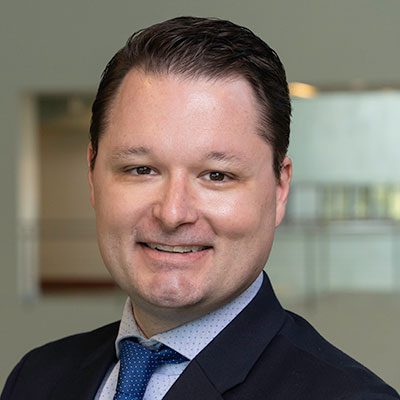
Milan Svolik
Elizabeth S. & A. Varick Stout Professor of Political Science, Yale University
Milan Svolik is the Elizabeth S. & A. Varick Stout professor of political science at Yale University. He received a PhD in political science from the University of Chicago and previously taught at the University of Illinois at Urbana-Champaign. Svolik studies the politics of authoritarian regimes, democratization, and democratic erosion. He is the author of The Politics of Authoritarian Rule (Cambridge University Press, 2012), which develops a unified framework that explains the vast variation in institutions, leadership change, and regime stability across dictatorships. Svolik’s research has been published in leading academic journals and won awards and funding from, among others, the American Political Science Association, the Guggenheim Foundation, and the National Science Foundation. Svolik’s latest research and book project, Downsizing Democracy, examine why ordinary people support politicians who undermine democracy. Svolik explains how polarization undermines the public’s ability to serve as an effective check on the authoritarian ambitions of elected politicians: In electorates that are sharply polarized, significant fractions of ordinary citizens sacrifice democratic principles in favor of partisan interests. Using experimental evidence from more than 20 countries, Downsizing Democracy documents across a diverse range of institutions, histories, and cultures the corrosive consequences of polarization for democratic stability.
Svolik’s project, “America’s Contested Democratic Creed,” seeks to devise credible, prospective, and scalable survey measures of commitment to democracy among the public. These tools will enhance our ability to diagnose who among the public — in terms of their political, social, economic, or psychological characteristics — can be realistically counted on to prioritize democratic principles over partisan interests in an era of increasing polarization.