
2025 Andrew Carnegie Fellows
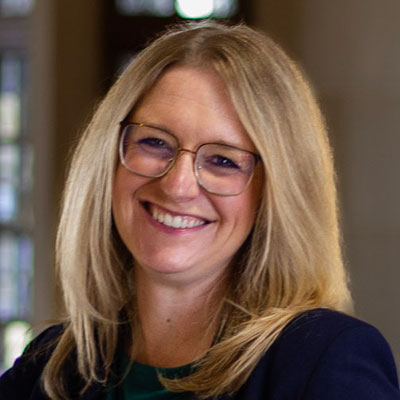
Kathryn Cramer Brownell
Professor of History and Director of the Center for American Political History and Technology (CAPT), Purdue University
Kathryn Cramer Brownell is professor of history and director of the Center for American Political History and Technology (CAPT) at Purdue University. She also serves as a senior editor for “Made By History,” a historical analysis column with Time magazine. Her research and teaching focus on the intersections of media and politics in modern America. Her first book, Showbiz Politics: Hollywood in American Political Life (University of North Carolina Press, 2014), examines the role of entertainment in American politics and the rise of the celebrity presidency. Her second book, 24/7 Politics: Cable Television and the Fragmenting of America from Watergate to Fox News (Princeton University Press, 2023), explores the political battle over cable television from the 1960s through today, excavating how the American political process became tethered to the business interests of a corporate cable television industry. Named an “Outstanding Academic Title of the Year” by Choice and a “Best Book We’ve Read This Year” by The New Yorker, 24/7 Politics also won the American Historical Association’s Eugenia M. Palmegiano Prize in the history of journalism and the PROSE Award in “Media and Cultural Studies.” Brownell also writes regularly for popular media outlets, including The Washington Post, The Atlantic, Financial Times, Time magazine, Reuters, and NBC News.
Brownell’s project, “The Enemy Makers: The Industries that Turned American Politics into Open Warfare,” charts the historical development of a thriving world of consultants, partisan media, and tabloid entertainment industries, all of which eagerly exploited political divides to make immense profits by teaching Americans to see the political opposition as mortal enemies. It explains how individuals and businesses changed the rules of engagement by transforming civic life into media-driven warfare—and what we can do about it today.