Webinar: How Philanthropy and States Can Expand Paid National Service
Learn how the Service United Fund is supporting paid service programs and how states can apply for grants
By Andrew Carnegie Foundation
Nov 10, 2026
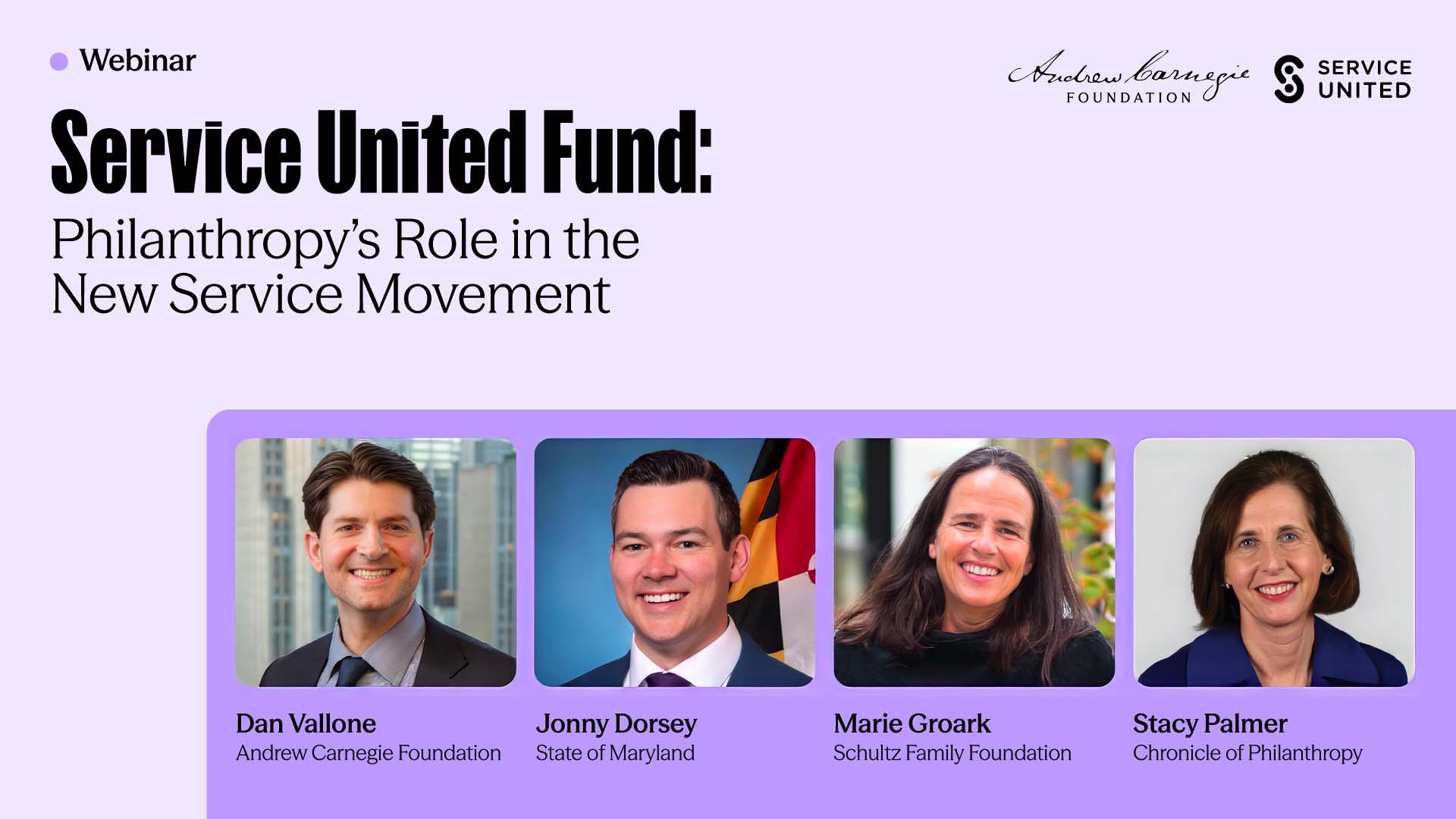
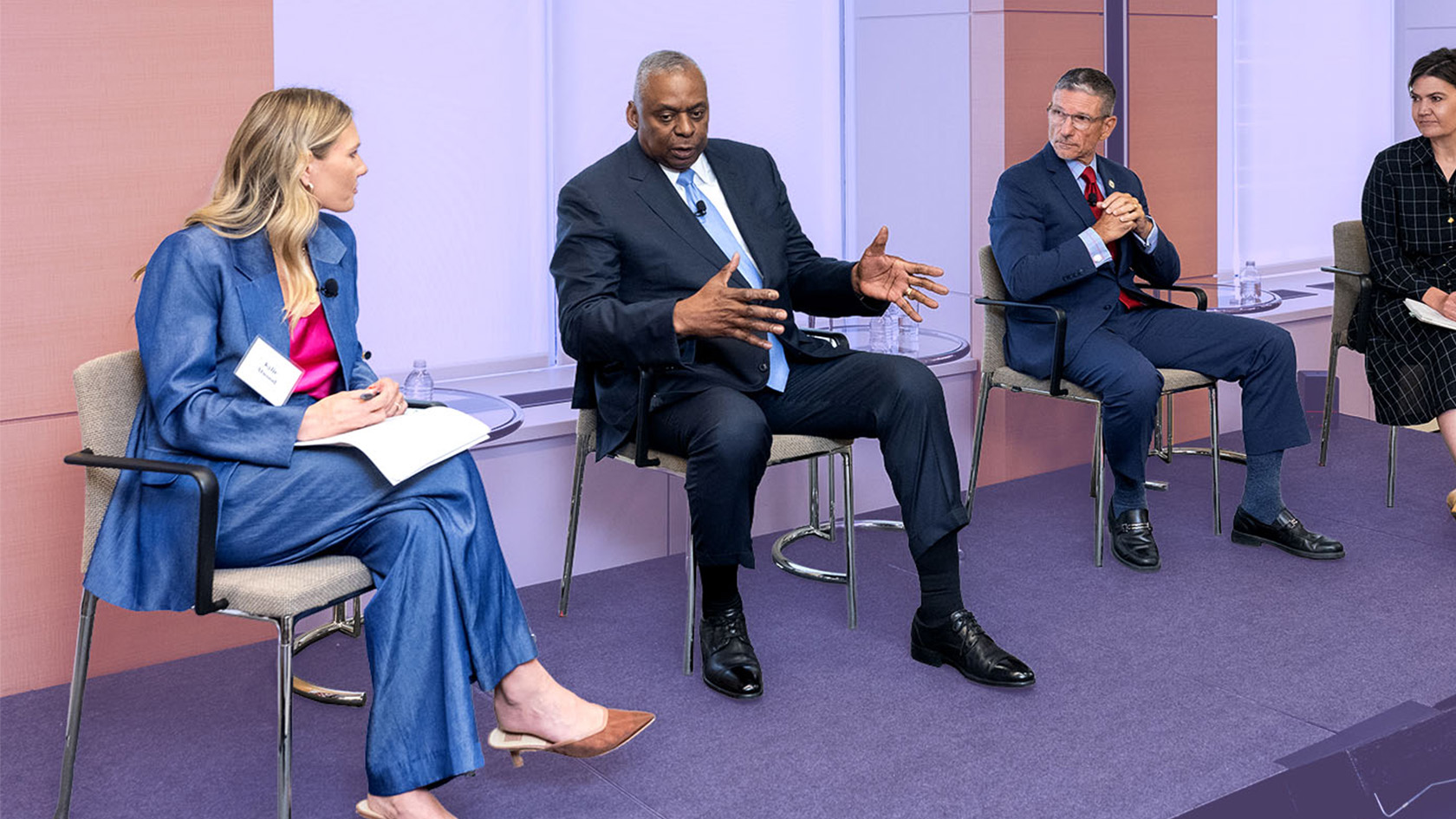
On October 13, 2026, Dan Vallone of the Andrew Carnegie Foundation, Marie Groark of the Schultz Family Foundation, and Jonny Dorsey of Maryland’s Department of Service and Civic Innovation participated in a webinar to discuss the Service United Fund, a philanthropic collaborative to help governors plan, build, and expand state-led service programs. The discussion, moderated by Stacy Palmer of The Chronicle of Philanthropy, covered:
- the role philanthropy can play in expanding paid service opportunities;
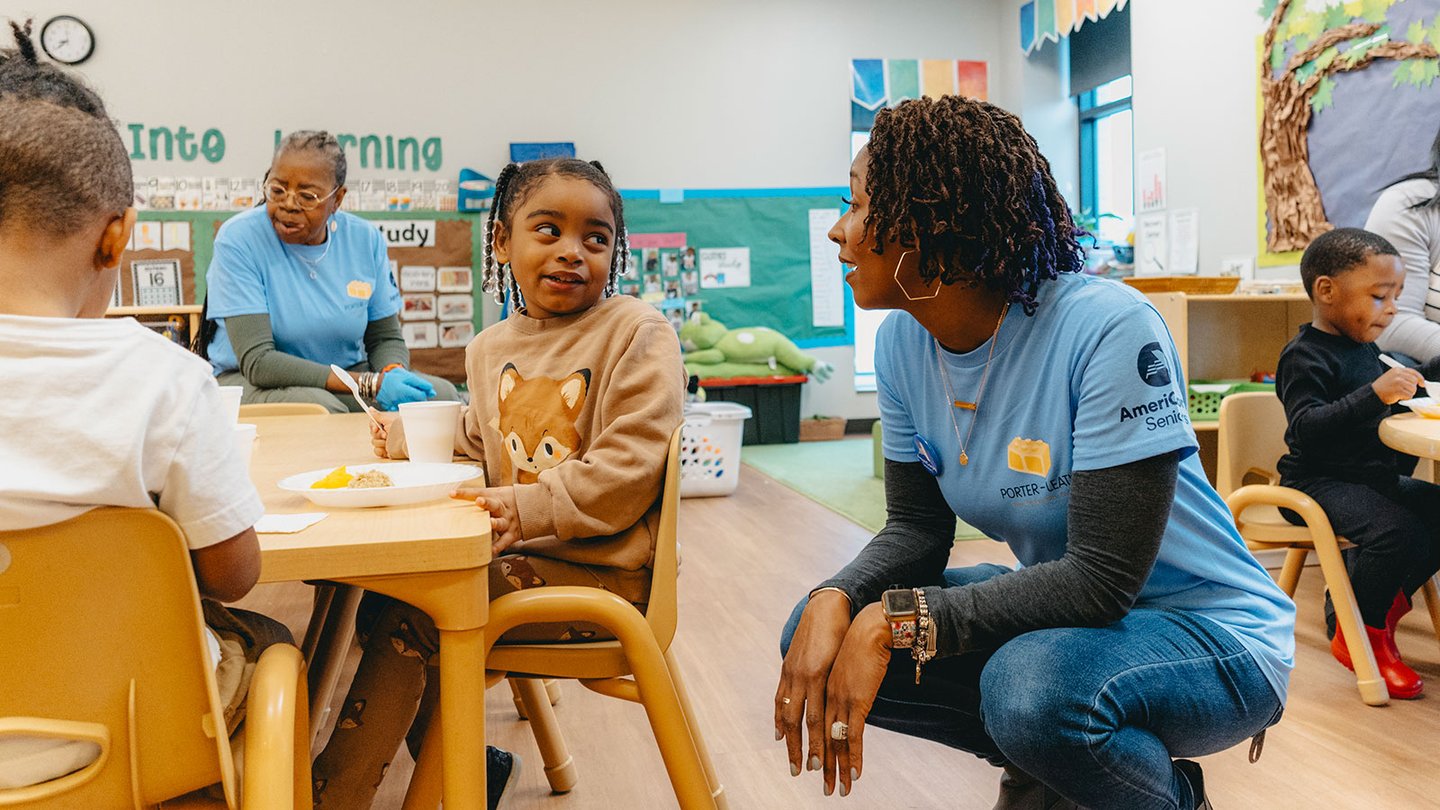
- what the initiative could mean for young adults and their education, careers, and communities;
- what states should know about the current grant application process; and
- lessons from Maryland’s experience.
“We see service as uniquely powerful in terms of not just invigorating capacity at the local level, but actually restoring that sense of belonging and togetherness that is at the heart of any kind of local community,” said Vallone, Carnegie’s senior director of strategic initiatives.
In collaboration with the National Governors Association, Carnegie and the Schultz Family Foundation launched the Service United Fund in 2026 to provide philanthropic grants, ranging from $100,000 to $1.5 million, that states can apply for to plan, build, and expand paid service programs. Carnegie has committed $10 million to the fund as part of its effort to reduce political polarization. Over the past four years, the foundation has made an additional $7.8 million in grants to support state-led service, including programs in Maryland, New York, and Utah.
The share of Americans between 15 and 24 who were neither employed nor in education or training was 11.6 percent in 2025. Meanwhile, 91 percent of local officials say polarization is harming the country. National service offers a potential response to both challenges: by working together to meet local needs, participants gain valuable skills and experience while strengthening their communities. As Dame Louise Richardson, president of the Andrew Carnegie Foundation, recently wrote, “All the evidence points in one direction: When diverse cohorts serve together for a sustained period, work toward common goals, and build a common identity, they reduce polarization.”