
279,000 Books and Counting: How Freedom Reads Gives People in Prison a Place to Read
Poet and lawyer Reginald Dwayne Betts began providing books to people in prison because of his experience when he was incarcerated
By Angely Montilla
Apr 22, 2026
Describe the problem in five words:
Prison libraries fail incarcerated people.
Describe the solution in 10 words:
Expand access to a better selection of books in prisons.
Describe the progress in 15 words:
Freedom Reads has installed Freedom Libraries in prisons across 14 states, and demand is growing.
When Reginald Dwayne Betts was incarcerated at 16 for carjacking, he spent time in solitary confinement. Books were scarce. The men in cells around him devised a workaround: they tore bedsheets into ropes, sending volumes through the air in pillowcases between buildings roughly 40 feet apart. “A-yo, send me a book,” Betts recalls calling out — the first thing he asked for since being locked up. He was, in his own words, “deeply struggling to make sense of my own vulnerability and the world around me.”
Betts was released in 2005, and today he is a poet and lawyer. His experience in solitary, and the books that reached him there, have stayed with him. In 2020, he launched Freedom Reads to address a gap the American Library Association confirmed in a 2025 report: traditional prison libraries operate with limited hours, outdated collections, and restricted access, leaving the vast majority of the nearly 2 million people held across the United States’ jails and prisons without meaningful access to books.
Freedom Reads began with Betts packing hundreds of books into boxes and driving to the post office, earning him the nickname “the Book Man.” It has since grown into a national nonprofit of more than 20 staff members, several of whom have done time themselves. Freedom Reads installs curated collections directly inside prison housing units — the cellblocks where people live and spend most of their time. The goal, according to Betts, is to remind them “that they are not forgotten, and that they deserve the beauty, solace, and possibility that comes with a Freedom Library.”
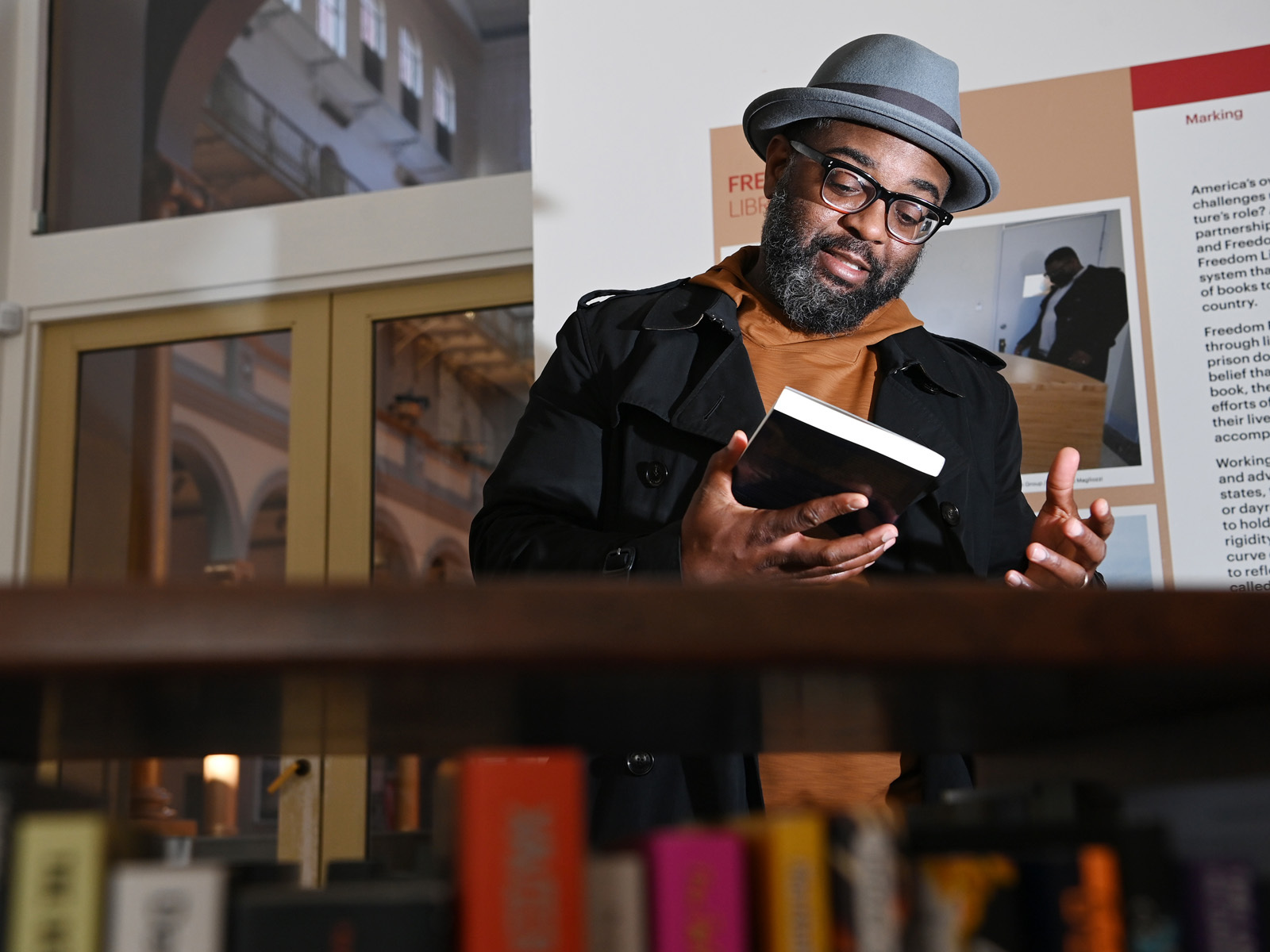
Betts secured his first state partners after delivering a keynote at the Corrections Leadership Association, the national body for state department of corrections executives, bringing in Massachusetts and Louisiana first. Through a combination of targeted outreach to foundations and individual donors, word of mouth, and inquiries from prisons, the program has continued to grow.
This year, a new $1 million grant from Carnegie Corporation of New York will support the creation of 40 Carnegie Freedom Libraries, reaching as many as 4,000 additional readers. A wide range of research shows that education and access to books in prison help reduce recidivism, and the public agrees that these opportunities matter. A Brennan Center for Justice poll conducted in November 2025 found that more than 90 percent of voters, across party lines, support requiring prisons to offer educational opportunities.
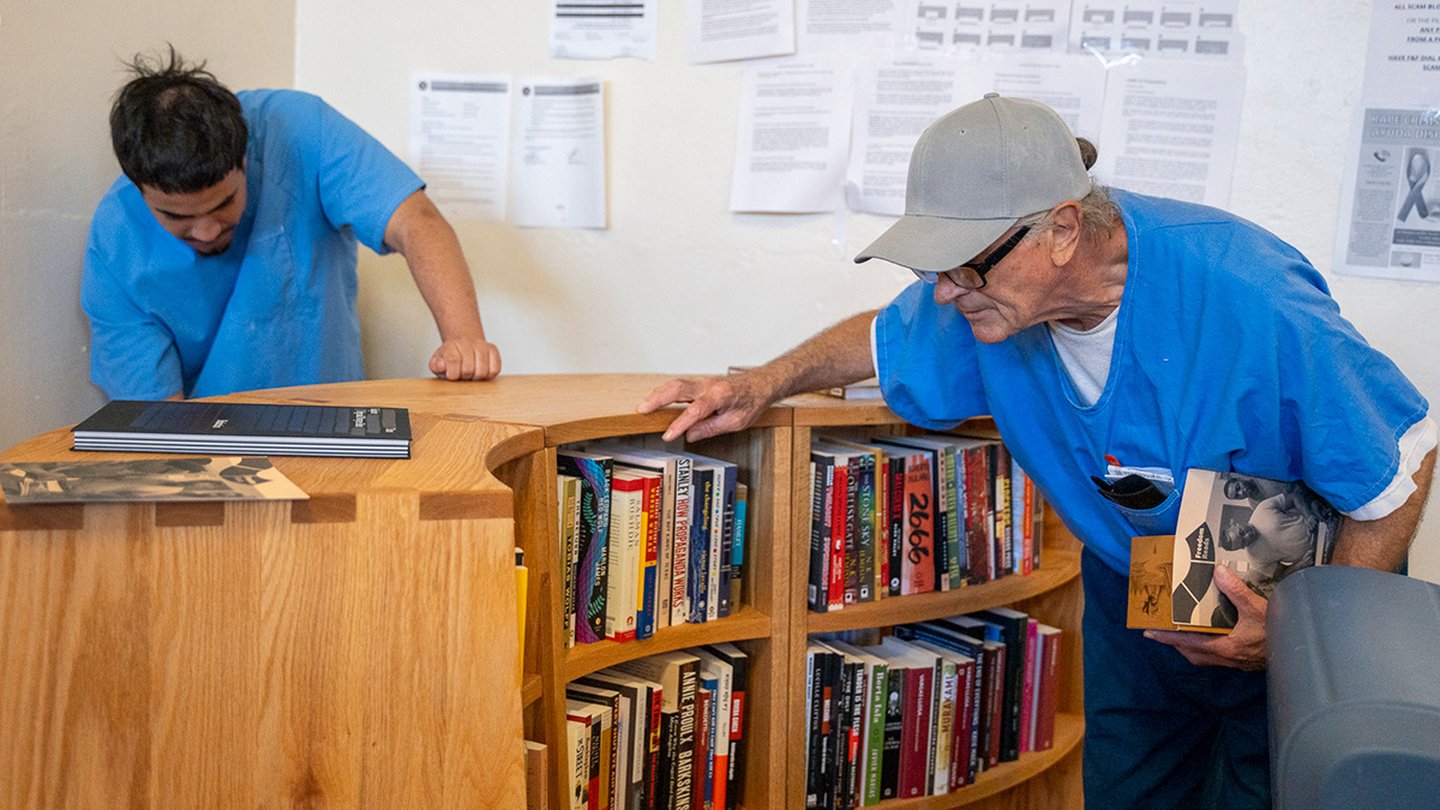
Most correctional facilities are characterized by steel, plastic, and what Betts has called “straight lines and right angles.” In partnership with MASS Design Group, Freedom Reads furnishes each housing unit where it operates with curved wooden bookcases in maple, walnut, oak, and cherry. Each library holds around 500 titles, curated with input from authors, librarians, poets, scholars, and people in prison, spanning memoir, classic literature, history, poetry, philosophy, and science fiction. A bench is built for lingering. A Freedom Library, he adds, creates “an opportunity for people to see each other as what they might be, and to reveal to each other more complex dimensions of who they are.”
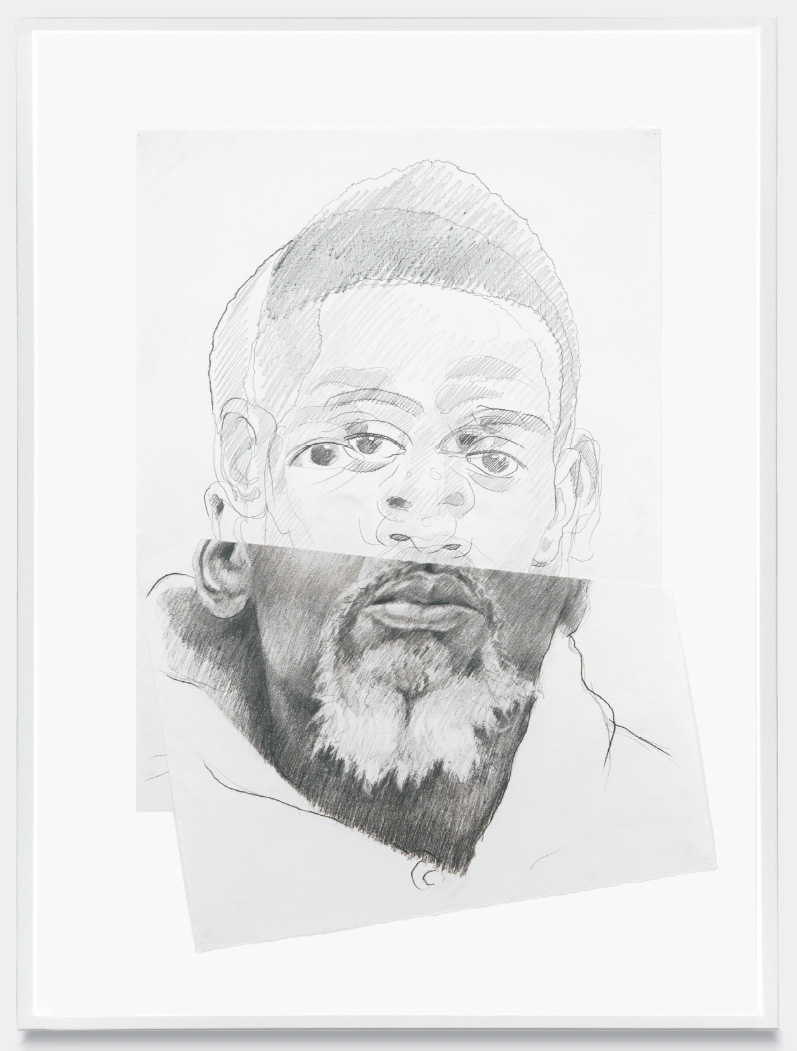
Freedom Library readers often send letters to Betts. In 2024, he was stunned to receive a $1,000 check from a reader in Missouri — the savings of years of prison labor earned at cents on the dollar — with a note explaining that Freedom Reads had made him feel “more free.” Inspired in part by that gesture, Freedom Reads opened dozens of additional Freedom Libraries in Missouri the following year.
As requests for new Freedom Libraries pour in from people in prison and staff across the country, Betts is focused on what that means. “It reminds us of how intense and widespread the need is,” he reflects. “But we were once just an idea, and now we are in the consciousness of those incarcerated.”
By the Numbers
Freedom Reads founder Reginald Dwayne Betts was 16 when he entered prison. Betts founded Freedom Reads in 2020. Each Freedom Library features 3 handcrafted wooden bookcases with around 500 books. There are 600-plus Freedom Libraries installed across 14 states and 60 prisons. 90% of voters across party lines support requiring prisons to offer educational opportunities. Freedom Reads has shipped over 279,000 books to incarcerated readers nationwide. The organization expects to reach more than 4,000 additional readers through 40 new Carnegie-supported libraries.
Angely Montilla is the program communications specialist at the Andrew Carnegie Foundation.