
Andrew Carnegie’s Library Legacy: A Timeline
How philanthropist and immigrant Andrew Carnegie changed the library landscape in America and provided a vision for philanthropic support that endures today
By Carnegie Corporation of New York
Jan 8, 2025
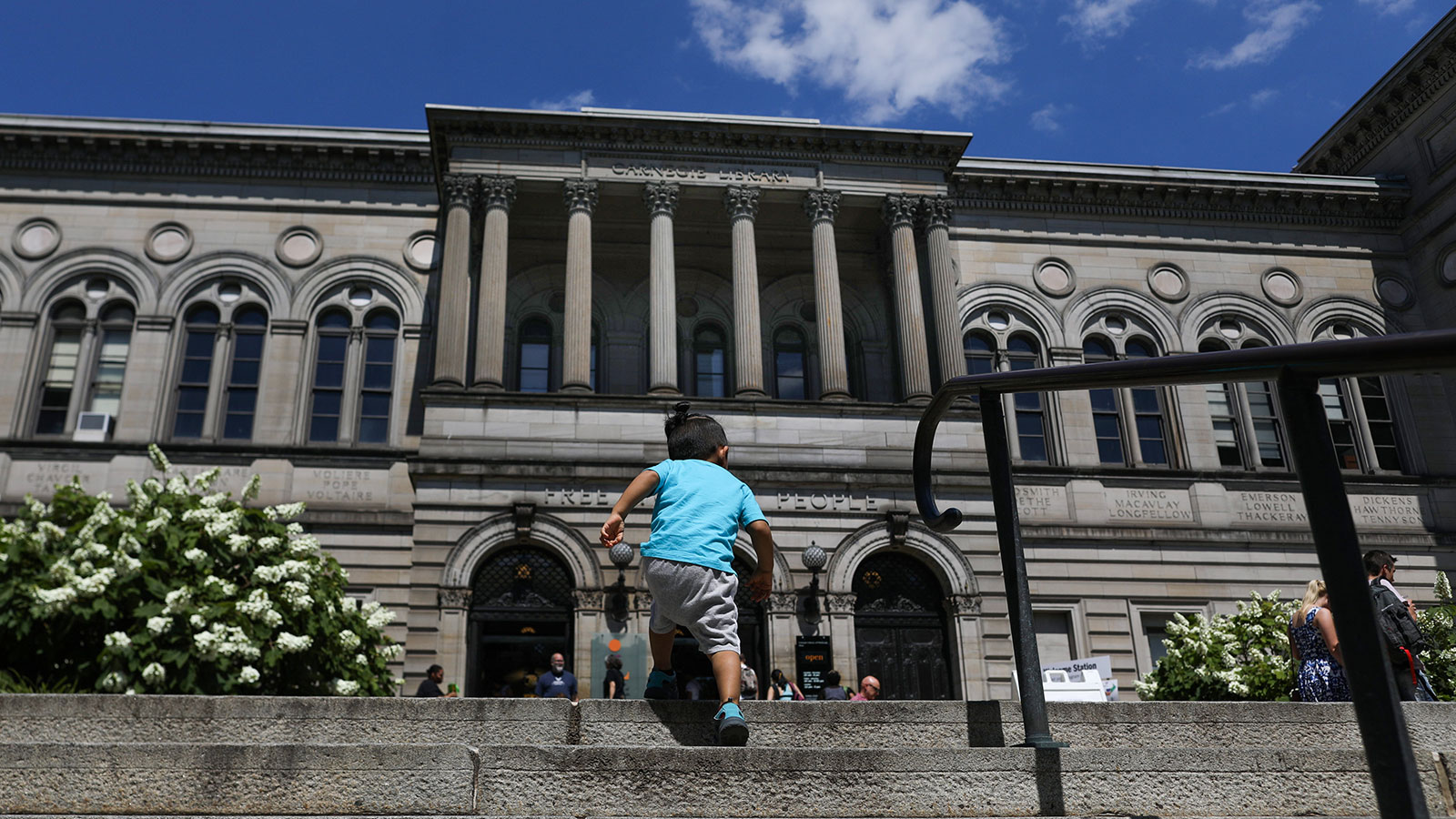
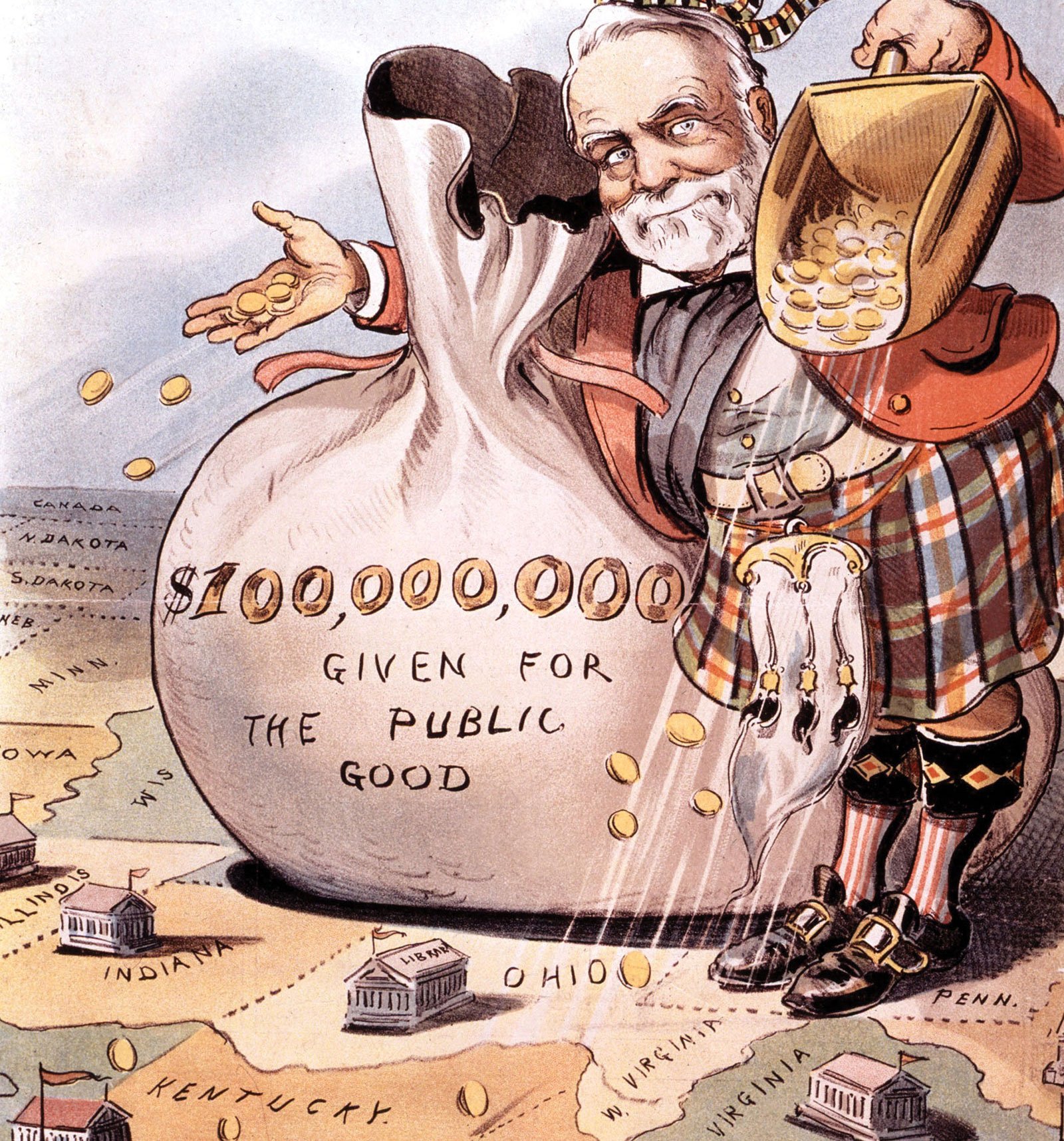
Formal schooling ended at age 12 for Andrew Carnegie, an immigrant from Scotland who went on to become an American steel magnate and the founder of the philanthropic foundation Carnegie Corporation of New York. When Carnegie became one of the world’s richest men, his first major philanthropy was libraries, having benefited personally from borrowing books as a working boy in Allegheny, Pennsylvania. Often referred to as the “Patron Saint of Libraries” in his lifetime, Carnegie made hundreds of libraries and books available to millions of people and helped accelerate the free public library movement in the United States.
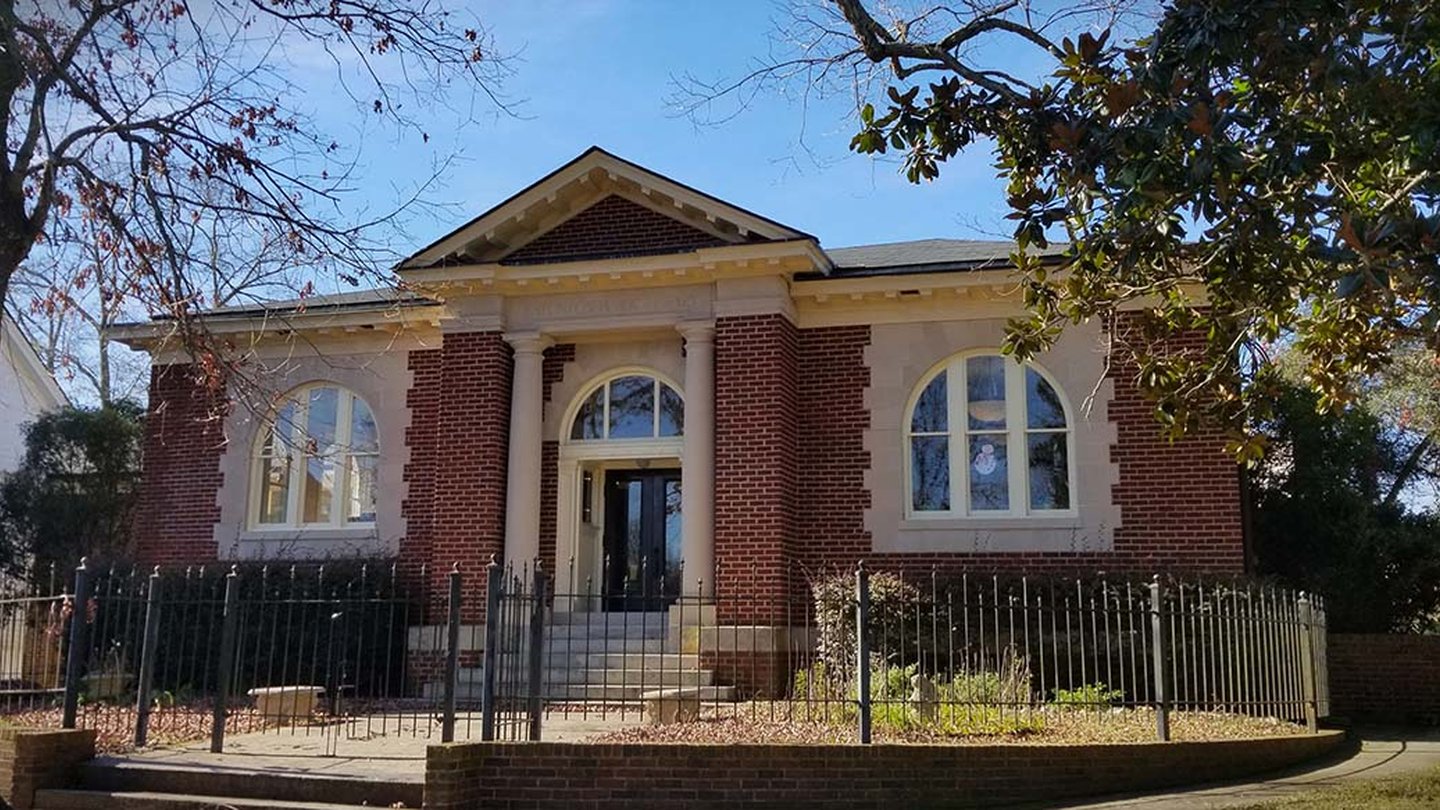
Starting in 1881 with a gift of a library to his birthplace of Dunfermline, Scotland, Carnegie — and later his foundation — gave some $56 million to build 2,509 public libraries. Of these Carnegie Libraries, 1,681 were built in the United States.
As part of the gifts, Carnegie insisted on the condition that the libraries be maintained by the communities they served. In his influential book The Gospel of Wealth, Carnegie writes: “The result of my own study of the question, What is the best gift which can be given to a community? is that a free library occupies the first place, provided the community will accept and maintain it as a public institution, as much a part of the city property as its public schools, and, indeed, an adjunct to these.”
Carnegie’s vision continues to guide the efforts of Carnegie Corporation of New York, one of the largest philanthropic funders of libraries, from the early construction of buildings to helping establish the endowment of the American Library Association, funding the nation’s first graduate library school, digitizing collections around the world, and supporting English language and civic programs, among other services.
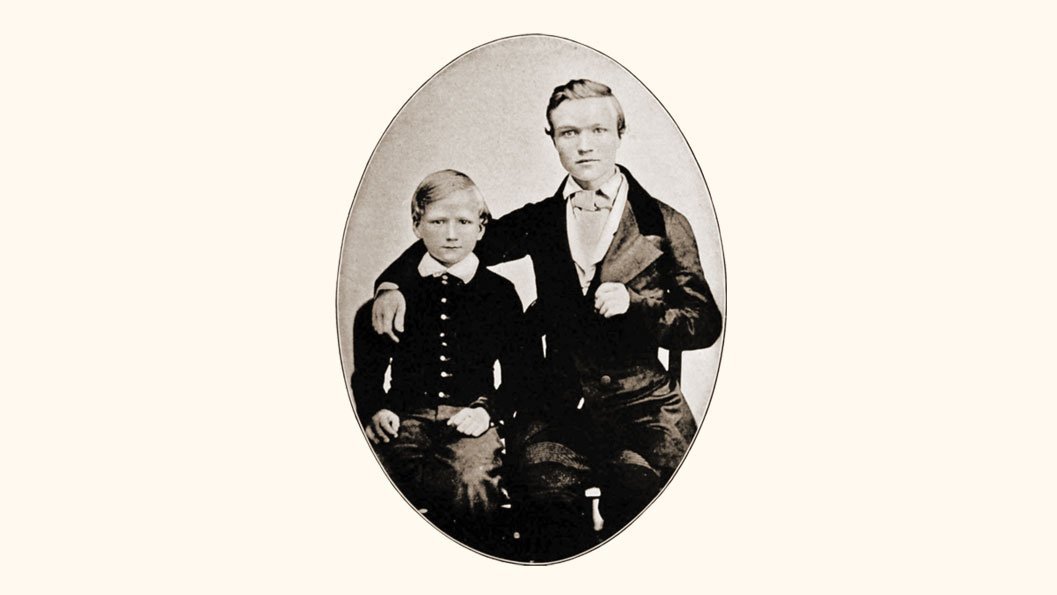
1848 | Andrew Carnegie’s Dream of Lending Books to Others
Andrew Carnegie and his family immigrated from Scotland to Allegheny (now Pittsburgh), Pennsylvania, in 1848, when he was 12 years old. Carnegie often recalled the life-changing experience of having access, as a working boy, to the private library of Colonel James Anderson, a retired businessman, who offered to lend books to workers every Saturday. “He only had about 400 volumes in his library, but they were valuable books, and I shall never forget the enjoyment and the instruction I gained from them when I was too poor to buy books myself,” Carnegie told the New York Times in 1899. “Is it any wonder that I decided then and there that if ever I had any surplus wealth I would use it in lending books to others?”
1881 |Building Carnegie Libraries Around the World
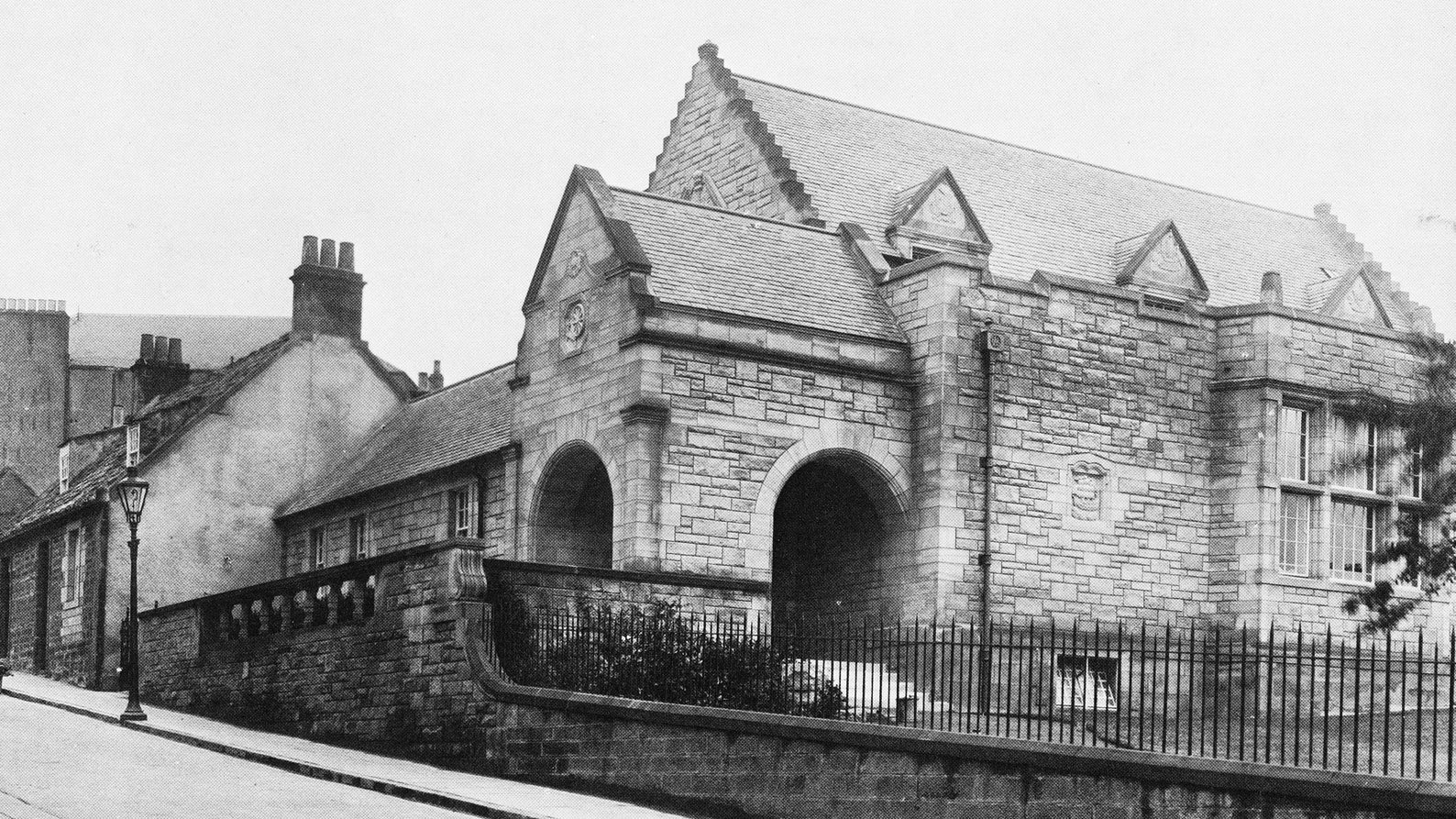
Starting in 1881 with a gift of a library to his birthplace of Dunfermline, Scotland, Carnegie — and later his foundation — gave some $56 million to build 2,509 public libraries worldwide. After making the gift, Carnegie learned that his father had been among three weavers in Dunfermline who contributed their personal collections of books to the town’s first free public library in 1808. “I have never heard of a lineage for which I would exchange that of the library-founding weaver,” said Carnegie. “He founded the first library in Dunfermline, his native town, and his son was privileged to found the last.”
1886 | America’s First Carnegie Library
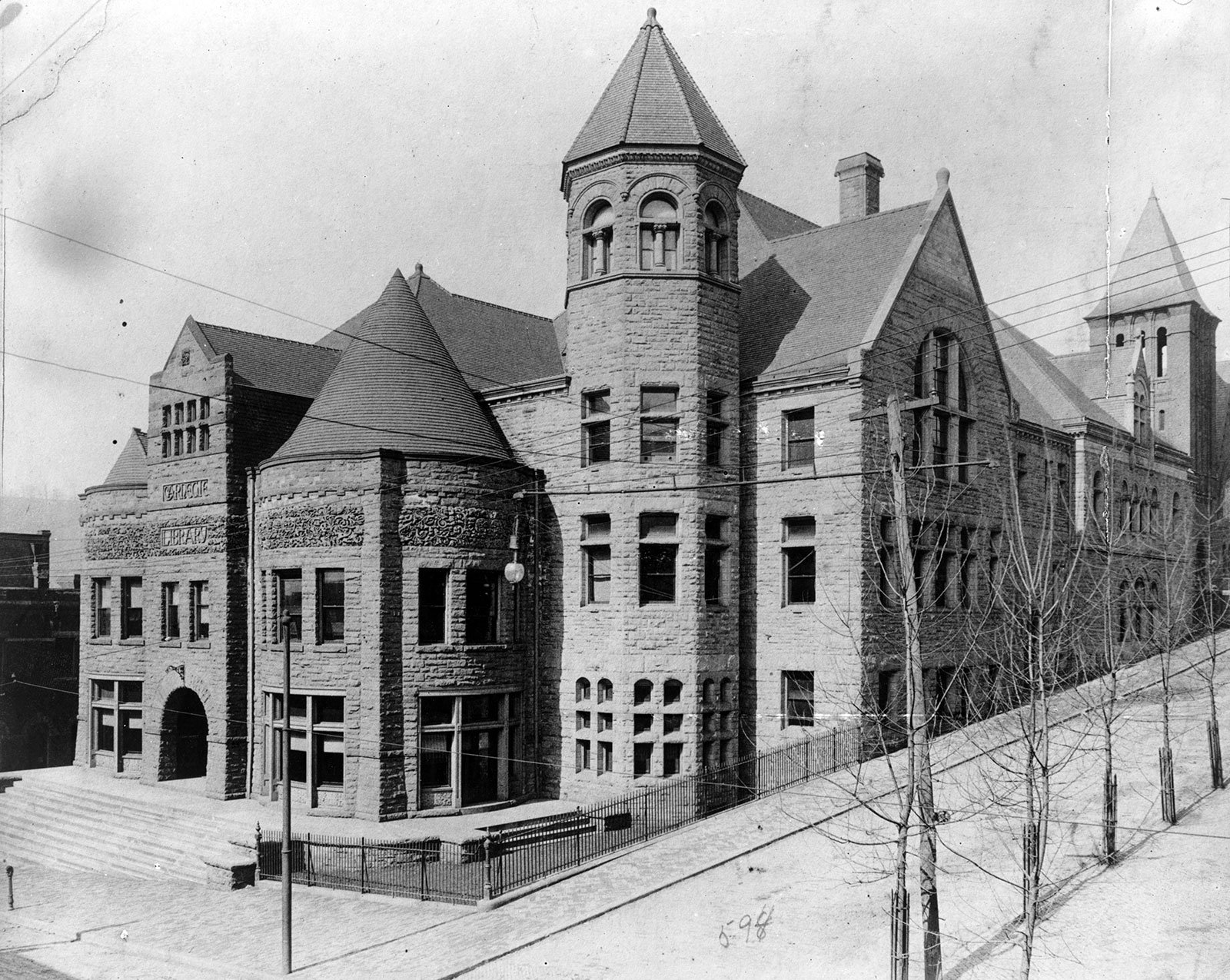
In 1886 Andrew Carnegie wrote to officials of Allegheny, Pennsylvania, proposing a $250,000 gift to build a free public library in the city where he and his family had immigrated, on the condition that it would be maintained by the city. After some hesitation, the city accepted, and the library opened in 1890 with a national dedication event that included remarks by President Benjamin Harrison.
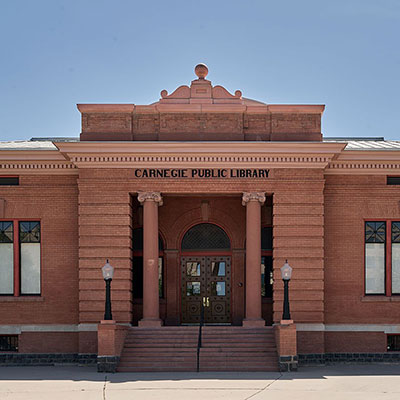
While Allegheny was the first Carnegie Library to receive a gift, the Braddock Carnegie Library, located in the town where Carnegie’s steel mill operated, was the first to open in 1889. Carnegie, and later his foundation, contributed more than $40 million to erect 1,681 public library buildings in 1,412 communities in the United States. “The taste for reading is one of the most precious possessions of life,” said Carnegie. “I should much rather be instrumental in bringing to the working man or woman this taste than mere dollars. It is better than a fortune.”
1901 | A Free Public Library System for New York City
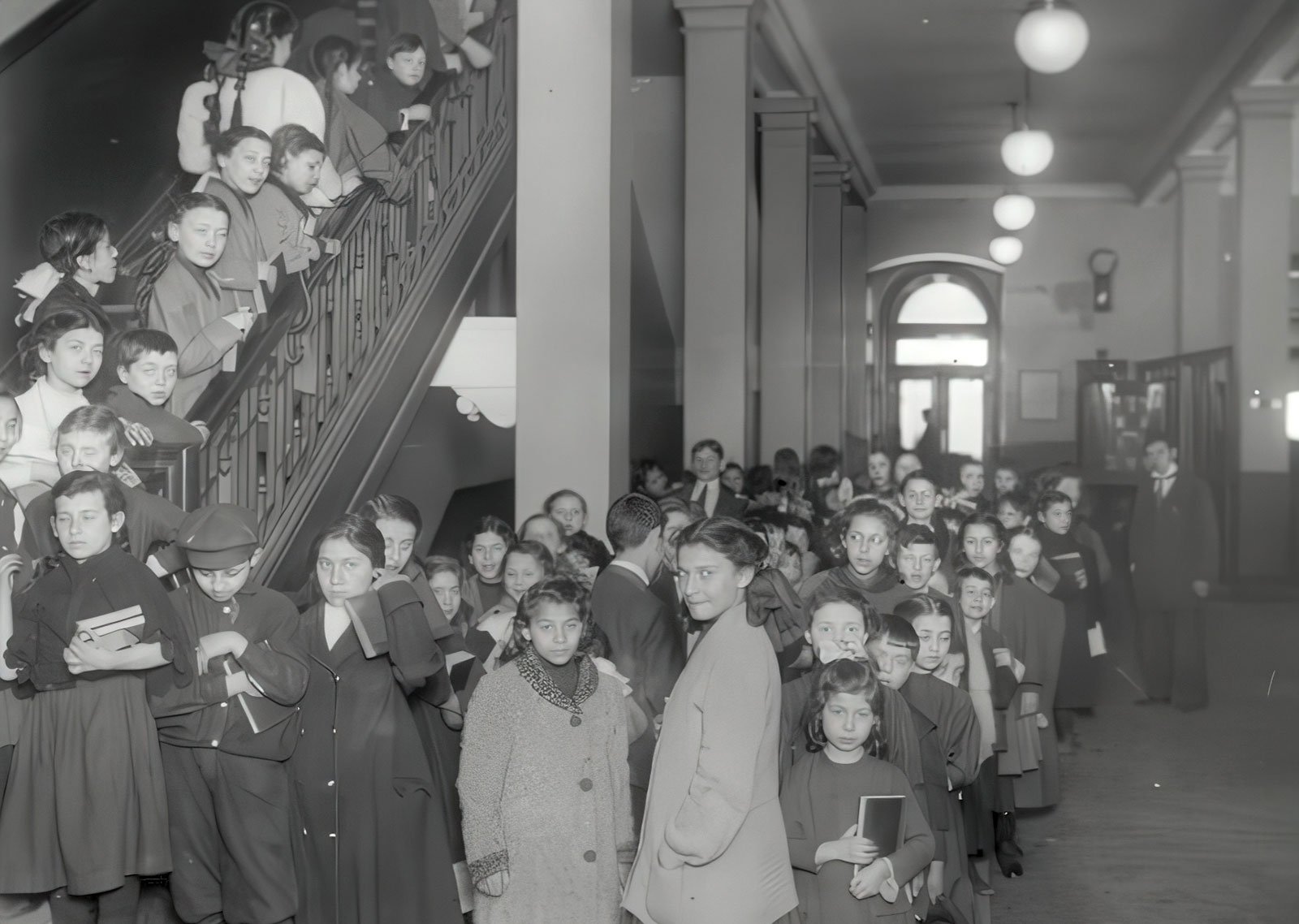
In 1901 Andrew Carnegie made a record-breaking library gift of $5.2 million to the New York Public Library to build 65 new branches “at one stroke,” creating the largest free public library system in the country. Carnegie’s gift helped guarantee that every New Yorker — among them America’s newest arrivals — could have access to knowledge and opportunity through a free public library in their neighborhood.
It was an idea that dated to at least 1895, when Carnegie learned of the New York Public Library’s plan to occupy a building in the middle of Manhattan that would rival the great libraries of Europe. He expressed his concerns in a letter to the New York Sun published on March 7, 1895, in which he argued that the new central library must be connected to the several already existing branch (neighborhood) library systems in the city, thereby creating a library system that truly was “for the people” and not for the rarefied few. “A great central public library without branch libraries in a large city resembles a fishing sloop without small boats,” wrote Carnegie. “The name ‘Public Library’ will be a misnomer unless the trustees broaden their scheme and connect the central library with these branches.”
1917 | Beyond Funding Library Buildings
Carnegie Corporation of New York, the philanthropic foundation that Andrew Carnegie established and led from its establishment in 1911 until his death in 1919, gave its final grants for library buildings in 1917, due to a shortage of materials and workers during the First World War. Between 1917 and 1925, Carnegie continued to grant some funds to library development but focused primarily on appraisal and planning.
A survey in 1915 of Carnegie Libraries, commissioned by the foundation, concluded that many of them were not providing good service because they lacked trained librarians. The survey’s author, Alvin S. Johnson, an economics professor at Cornell University at the time (he later cofounded The New School in New York and served as its first director), recommended that the foundation invest in the preparation of librarians’ training as well as the establishment of central services for book selection, cataloging, and other operations.
1926 | Strengthening the Library Profession
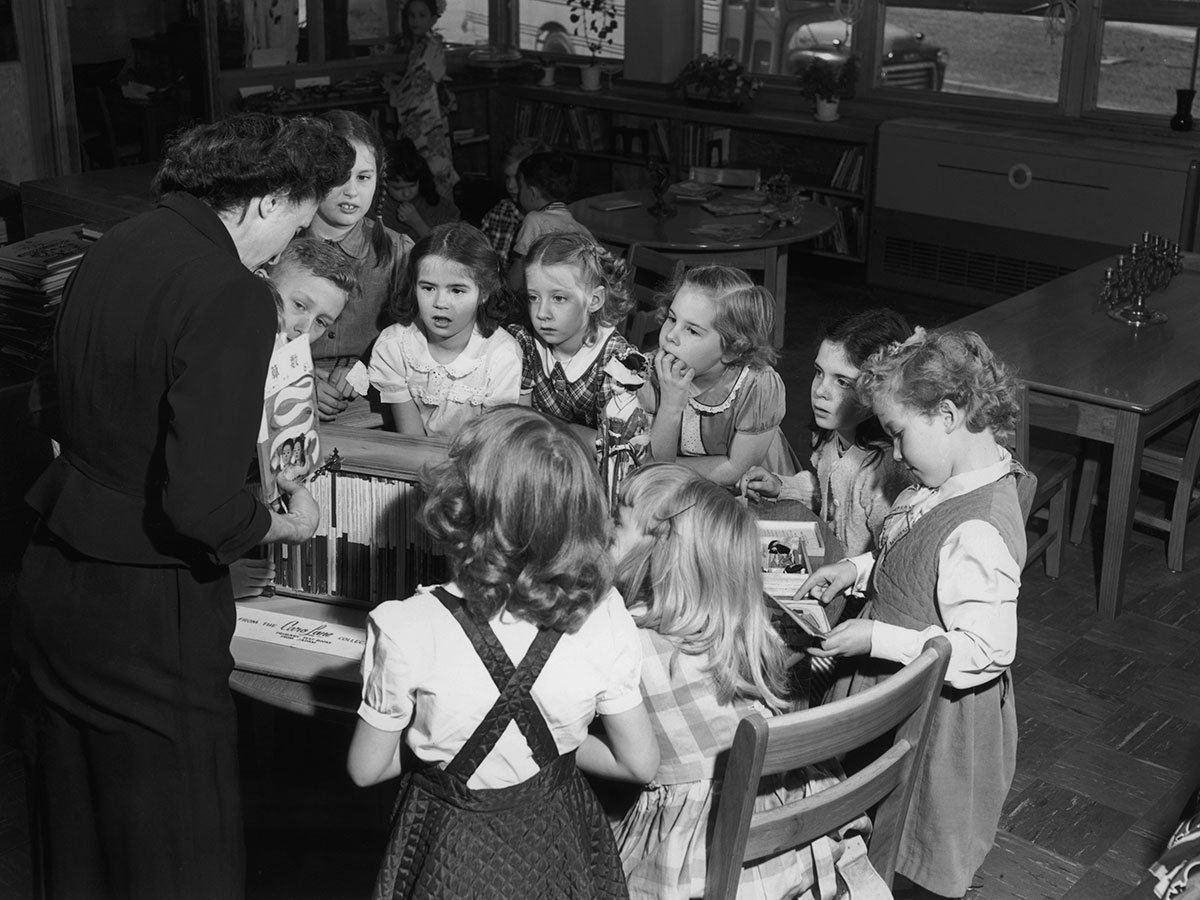
In 1926 Carnegie Corporation of New York gave $2,000,000 to endow the American Library Association, which Andrew Carnegie previously had endowed with a $100,000 gift in 1902. The 1926 grant was part of a $5 million, 10-year program that aimed to strengthen the library profession by supporting the activities of the association and by improving training opportunities.
Drawing from the recommendations of librarian Charles C. Williamson’s Training for Library Service, a highly influential study commissioned by the foundation and published in 1923, the program also included endowment funds for existing library schools and the establishment of the first school for graduate training in librarianship — the University of Chicago Graduate Library School, which launched in 1926 with $1,385,000 in Carnegie grants and offered the nation’s first doctorate in library science. Another major focus of the program comprised grants to colleges and universities for the development of their libraries, chiefly through the purchase of books.

1926 | A Library Collection Dedicated to Black Life
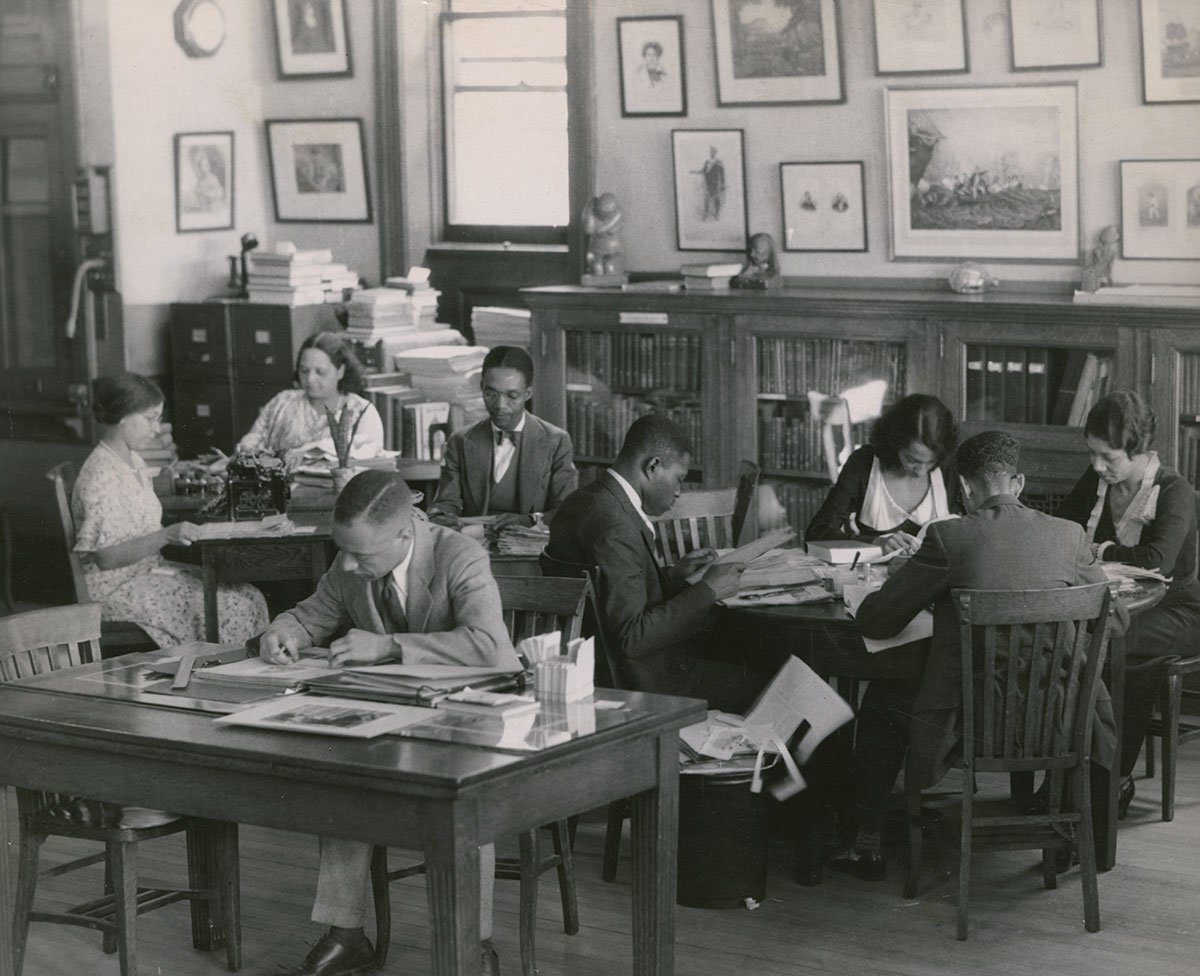
In 1926 Carnegie Corporation of New York funded the New York Public Library’s acquisition of a foundational archive of works on Black life, history, and culture. Spanning more than 10,000 rare manuscripts and books by Black authors, the collection had been amassed over decades by Black bibliophile Arturo Alfonso Schomburg, who wanted to make it accessible to the public. Today, the Schomburg Center for Research in Black Culture has grown to more than 11 million items and is a world-leading research institution dedicated to the history and knowledge of people of African descent worldwide. Its archives include the personal papers of James Baldwin and the “lost” chapter of The Autobiography of Malcolm X.
1999 | Commemorative Grants to Carnegie Libraries
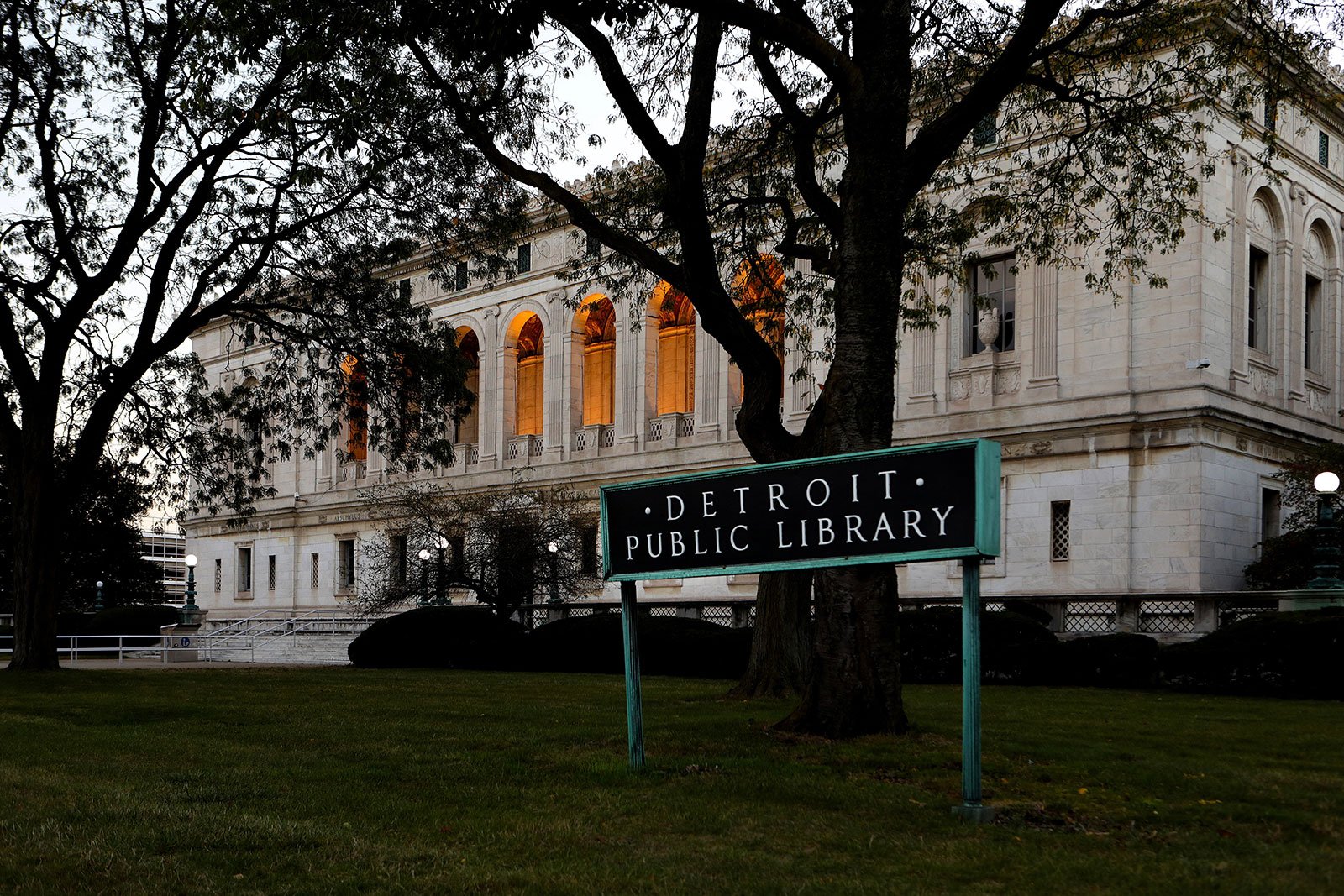
To mark the centennial of Andrew Carnegie’s gifts to establish public libraries across the United States, the foundation awarded $15 million in commemorative grants to 25 national libraries in 1999. The grants, ranging from $500,000 to $1 million, were used to revitalize services and collections. Among the libraries that received grants were the Atlanta-Fulton Public Library, the Chicago Public Library, the Detroit Public Library, the Free Library of Philadelphia, the Kansas City Public Library, the Los Angeles Public Library, and the Brooklyn, New York, and Queens public libraries.
2004 | Revitalizing African Libraries
Beginning in 2004, Carnegie Corporation of New York invested more than $10 million to revitalize South Africa’s public library system and to strengthen libraries in selected universities in Uganda, Tanzania, Ghana, and Nigeria. As a result, model public libraries have been created in the South African cities of Cape Town, Johannesburg, Pietermaritzburg, and Pretoria. Government investment increased and services for patrons expanded significantly in these cities, while university libraries also upgraded their technology with Carnegie support. These major investments were a continuation of Andrew Carnegie’s funding of public library buildings in South Africa since 1911.
2008 | I Love My Librarian Award
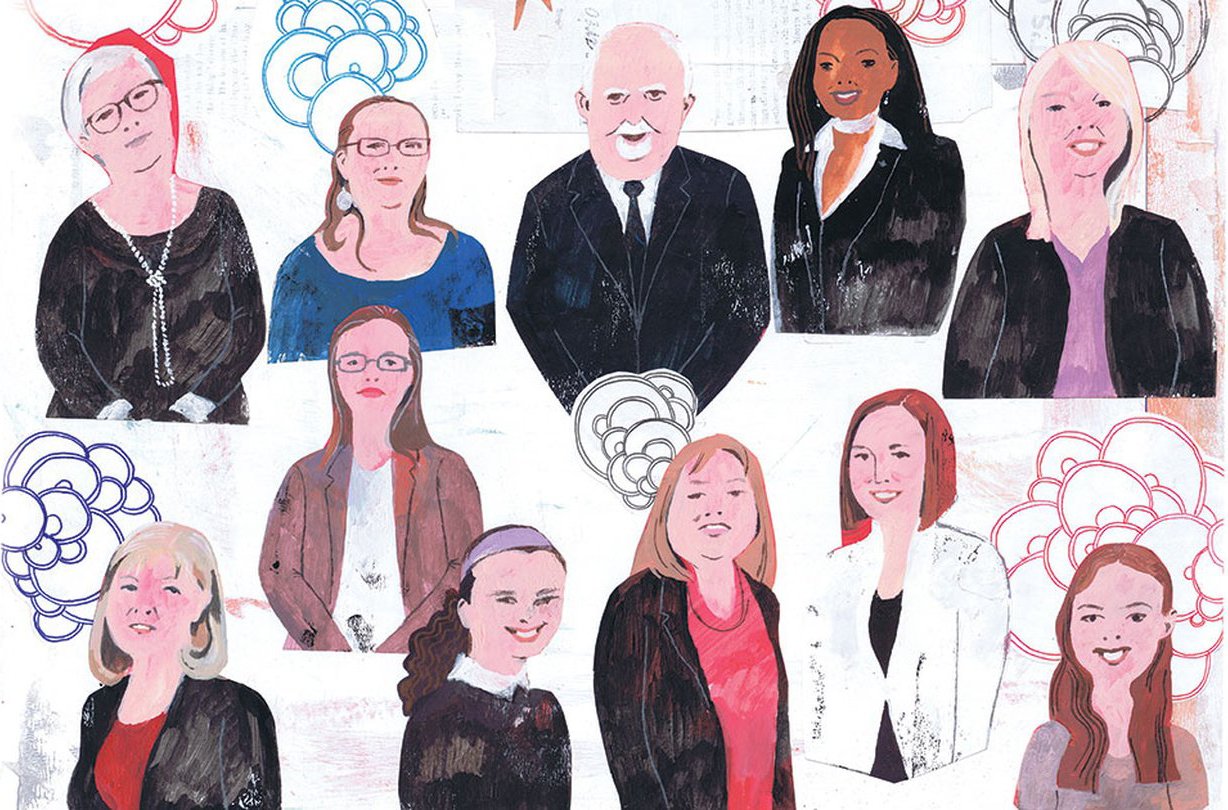
With a $489,000 grant, Carnegie Corporation of New York established the American Library Association’s I Love My Librarian Award in 2008 to recognize and celebrate the contributions that librarians make to their communities. Each year, the initiative has honored 10 exceptional librarians who have been nominated by thousands of patrons in communities across the country.
2009 | Creating the World Digital Library
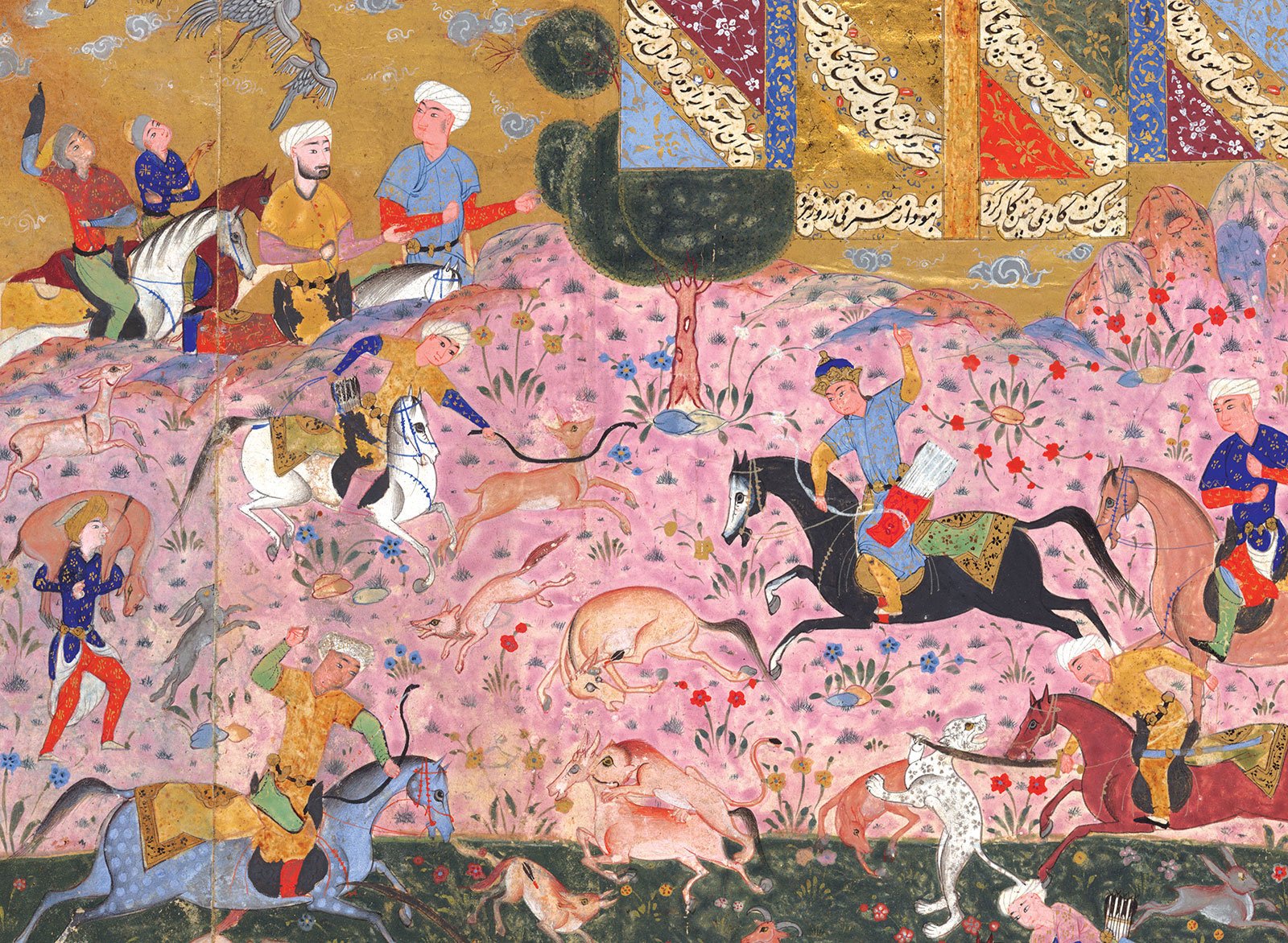
A grant of $2,000,0000 to the Library of Congress in 2009, followed by another $2,000,000 grant three years later, helped to create the World Digital Library, an international collaboration of more than 160 libraries from 75 countries that provide virtual access to cultural heritage materials from all regions of the world. The grants continued the foundation’s longstanding support of the Library of Congress, starting with a grant in 1927 that endowed its chair in fine arts, and a grant that established its Africana unit in 1959, among other grants.
2011 | Promoting Literacy, Preserving Texts, and Improving Library Services for Children
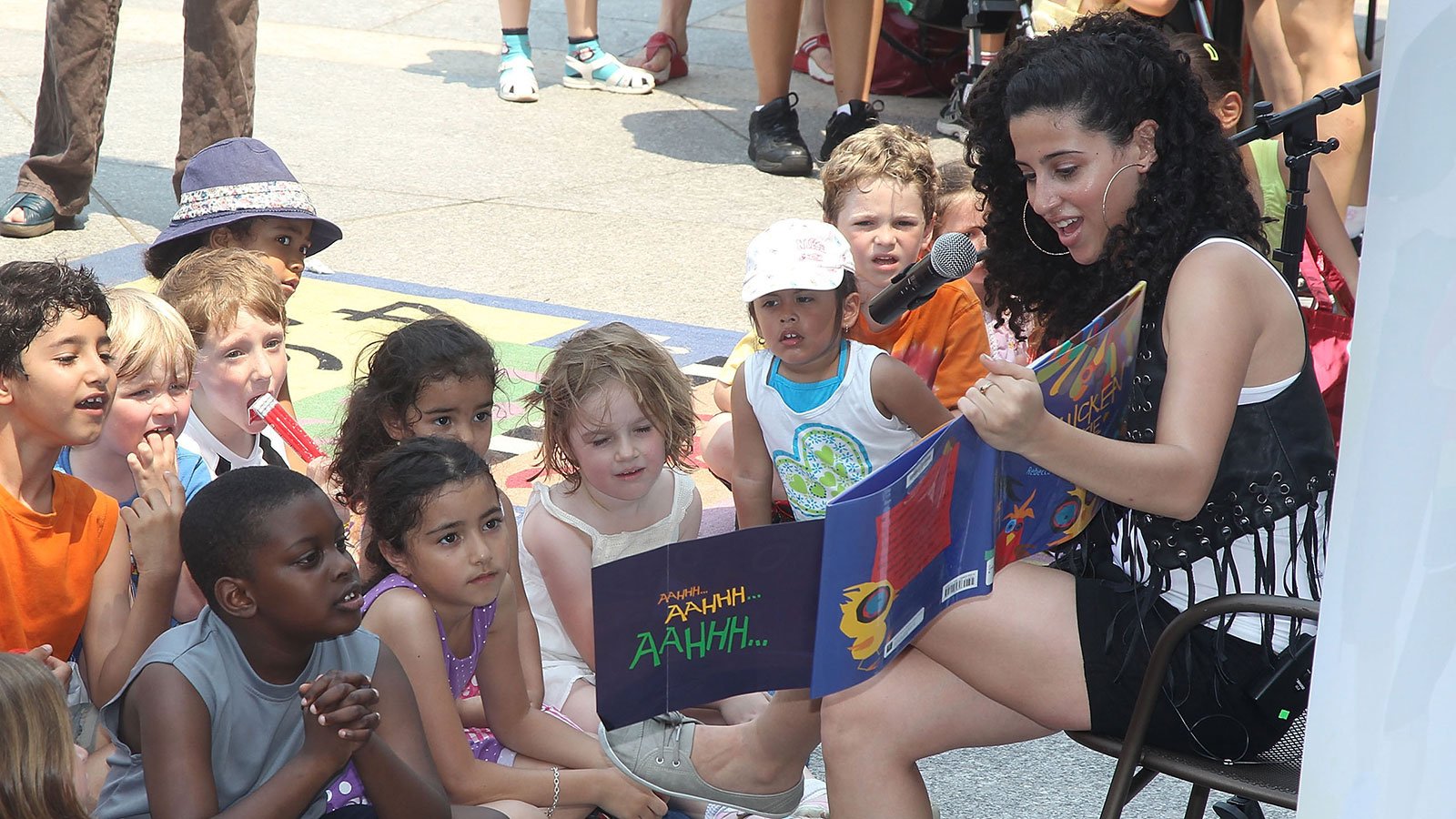
Carnegie Corporation of New York gave a $5,000,000 grant in 2011 to New York City’s three public library systems — the New York Public Library, Queens Public Library, and Brooklyn Public Library — to promote literacy, the preservation of texts, and the improvement of children’s library services. The Corporation also supported the New York Public Library’s efforts to digitize over 200,000 unique and rare audio and moving image materials, including films, audio recordings, discs, and other materials in a range of formats.
2024 | Carnegie Renews Its Commitment to Libraries
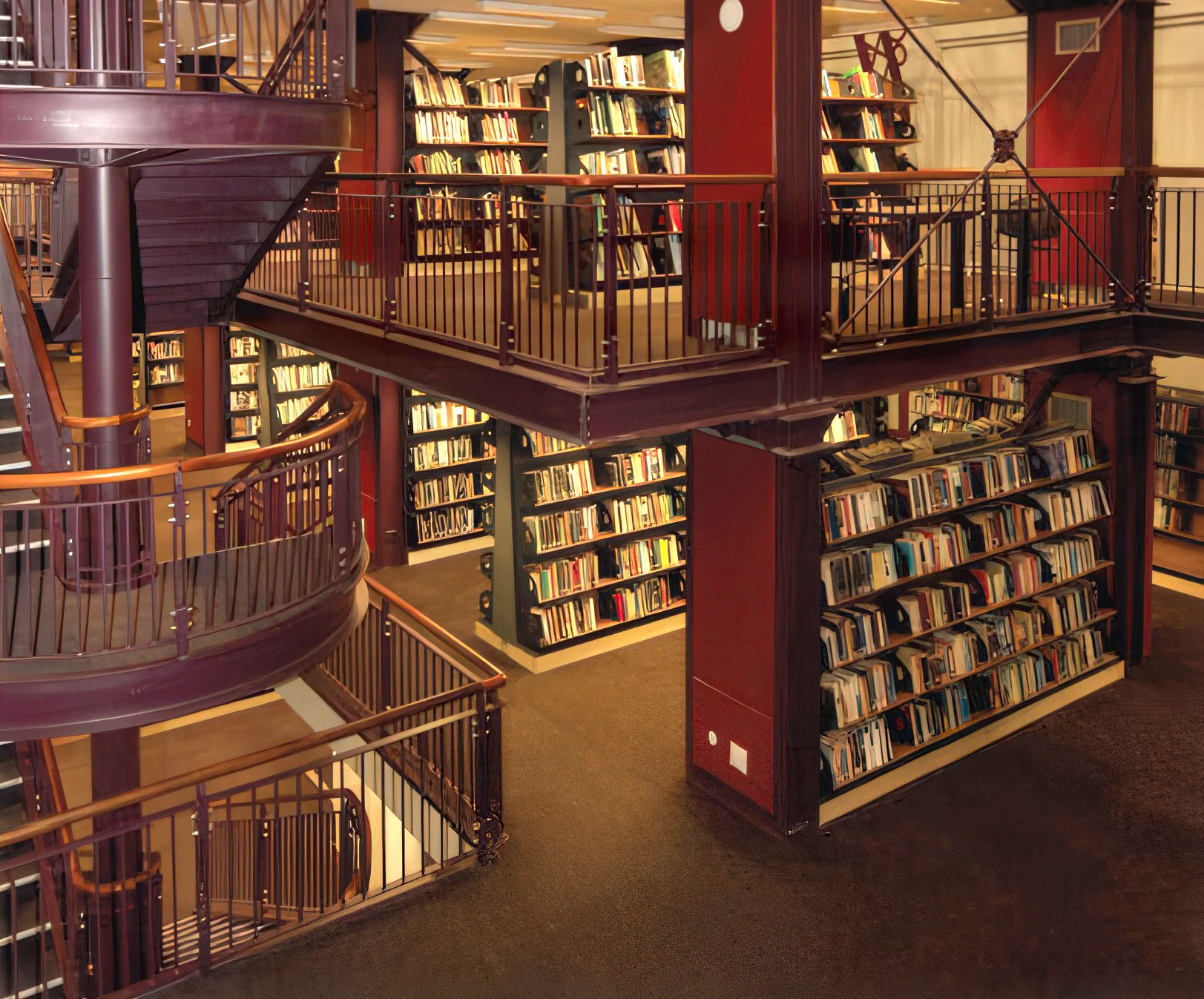
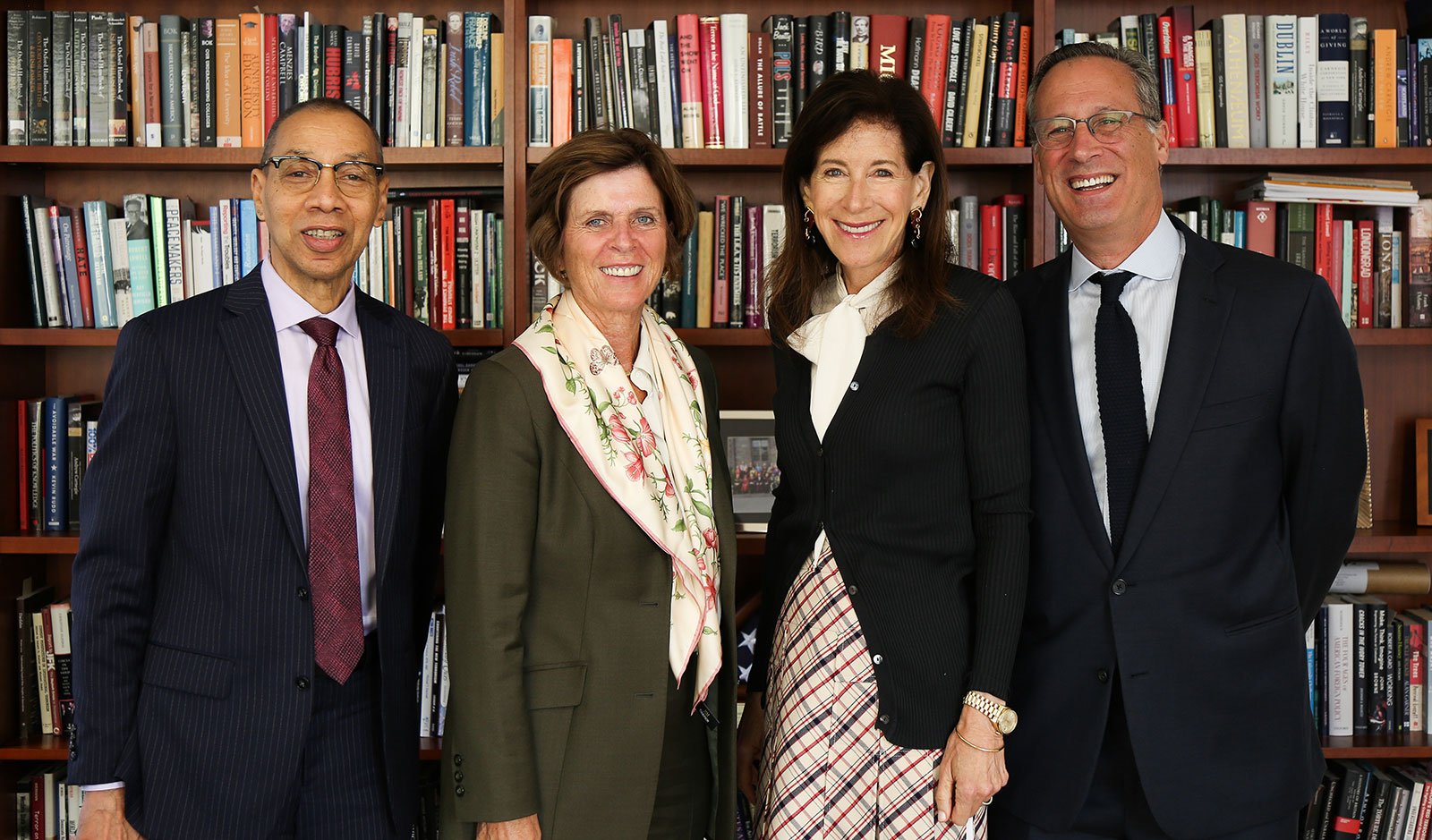
In 2024 Dame Louise Richardson, president of Carnegie Corporation of New York, announced renewed support for libraries and their essential role in communities. A $4 million grant to the New York, Queens, and Brooklyn public library systems expanded adult language and workforce development services as well as teen civics and college access programs. The foundation also made a $500,000 grant to the Library of Congress to reimagine public engagement with historical materials and announced a $5 million grant initiative to support public libraries nationwide seeking to deliver services to underresourced communities. The grants aim to strengthen the role of libraries as trusted community institutions as part of the foundation’s broader commitment to reducing political polarization.
2025 | Gifts to Carnegie Libraries Across America
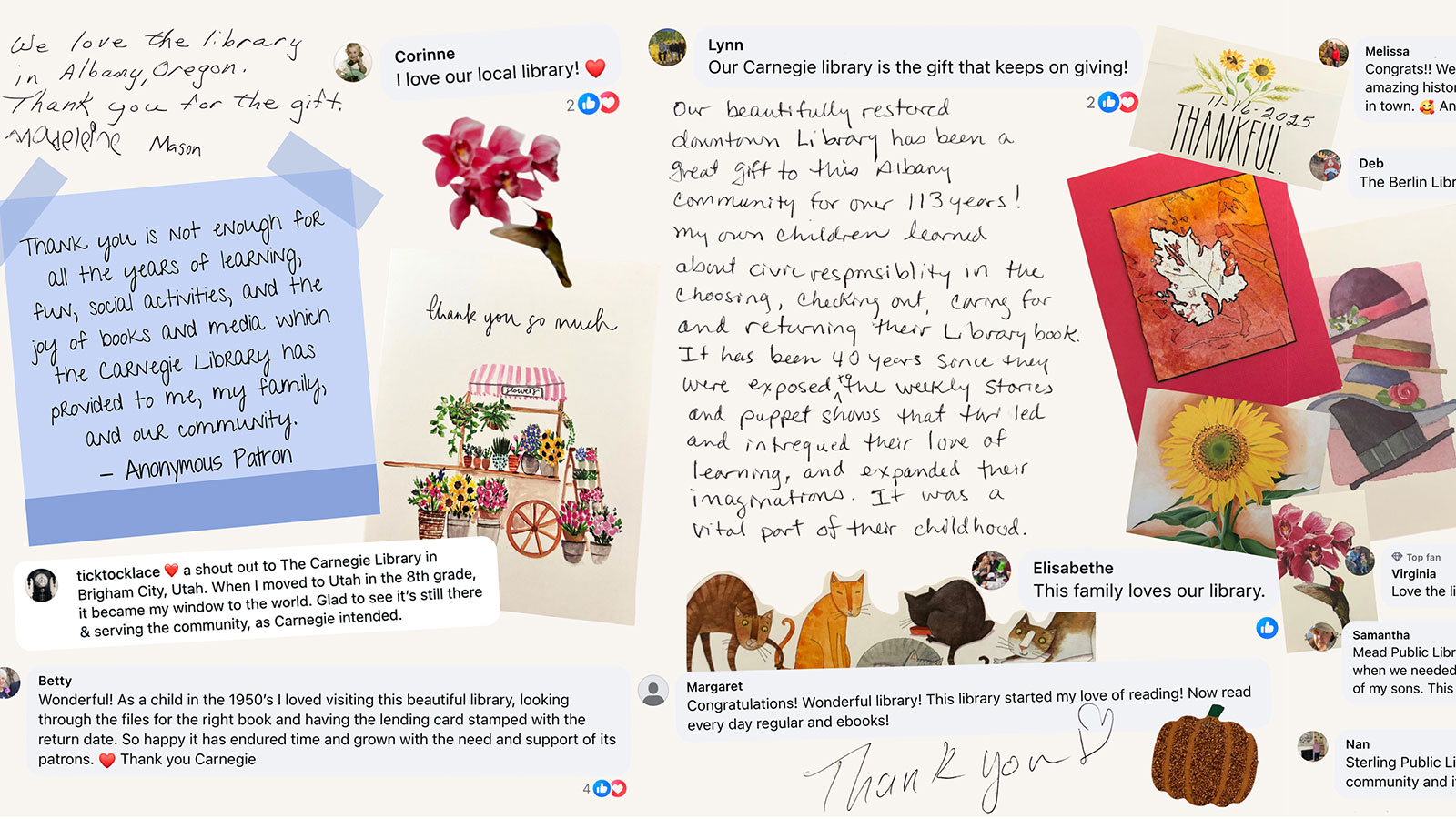
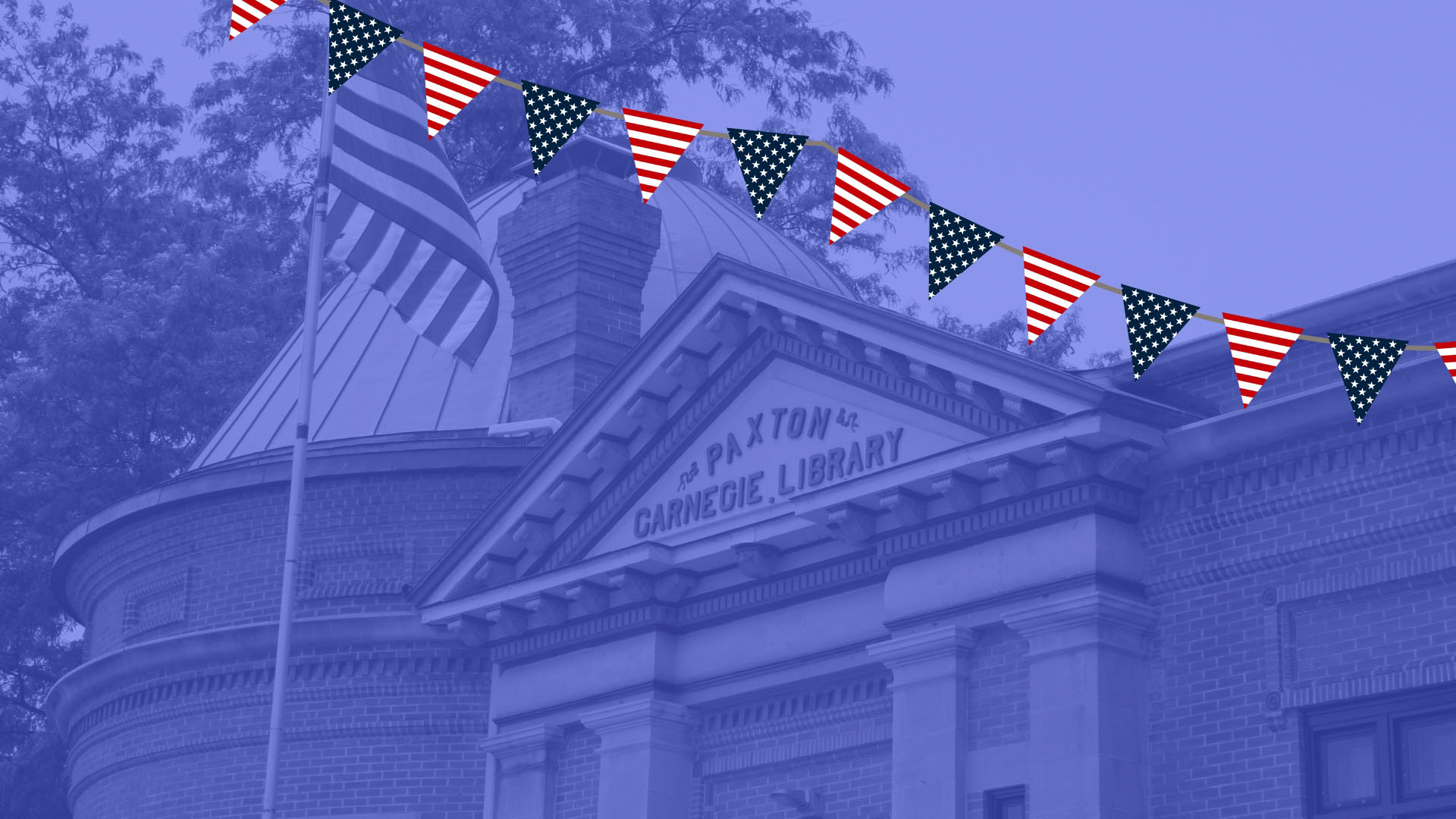
In 2025, the foundation announced $10,000 gifts to nearly 1,350 Carnegie Libraries across America to commemorate the 250th anniversary of the Declaration of Independence. Libraries could use the funds however they wished to celebrate the anniversary, further their mission, and benefit their communities. The gifts anchored Carnegie Libraries 250, a $20 million special initiative created to support America’s civic institutions and organizations that bring people together and foster civic participation.